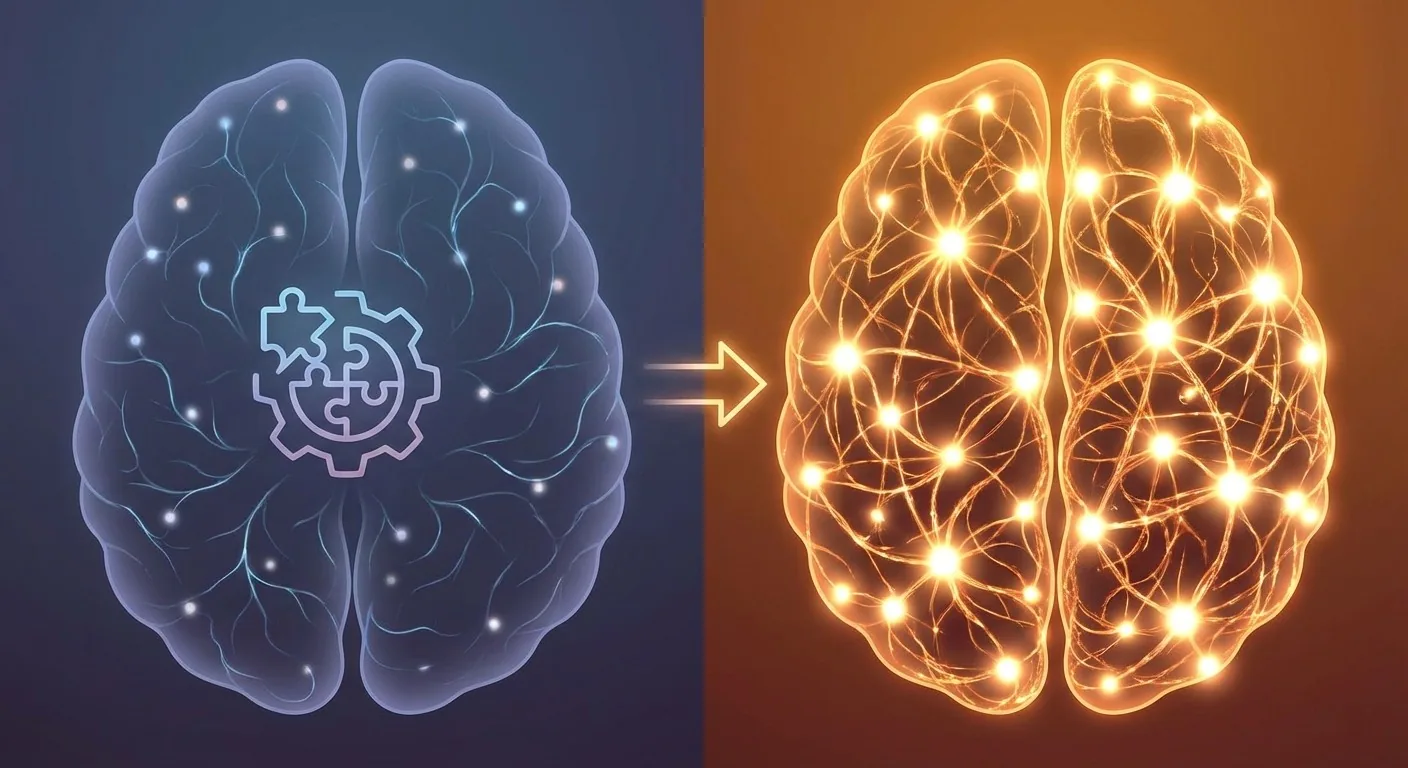
The brain can form new synaptic connections and strengthen existing ones throughout life. This is called neuroplasticity. Mental activities support this process and build a "cognitive reserve" — acting as a buffer against degenerative diseases like Alzheimer's.1,2
Evidence-Based Cognitive Exercises
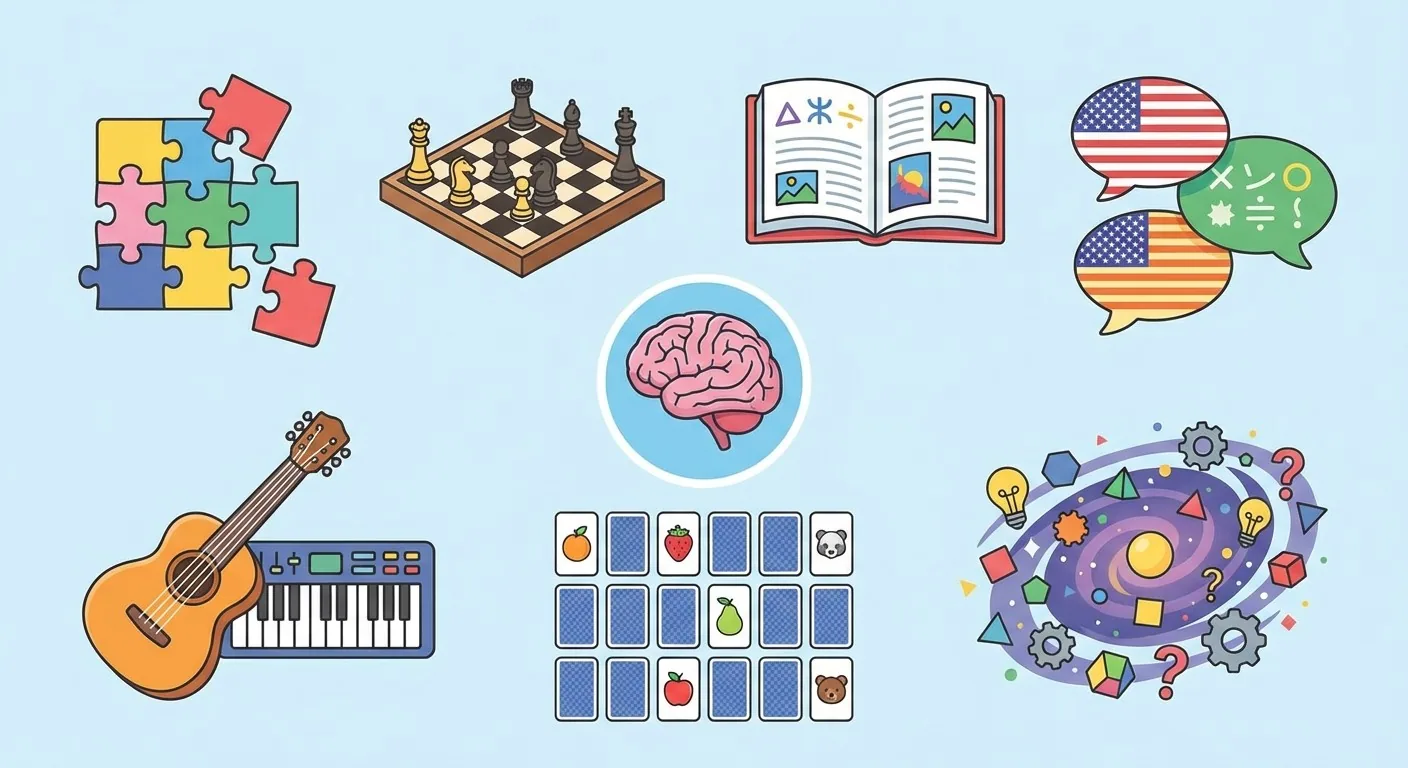
Learning Something New: Learning a foreign language (dementia starts 4-5 years later in bilingual individuals), playing a musical instrument (auditory cortex and motor coordination), dancing (motor + cognitive + social), taking up a new hobby.
Strategy Games: Chess, Go, Sudoku, puzzles. They strengthen planning, problem-solving, and working memory. Digital brain training applications (Lumosity, Peak, Elevate) can also be beneficial, but their transferability is debatable.3,4
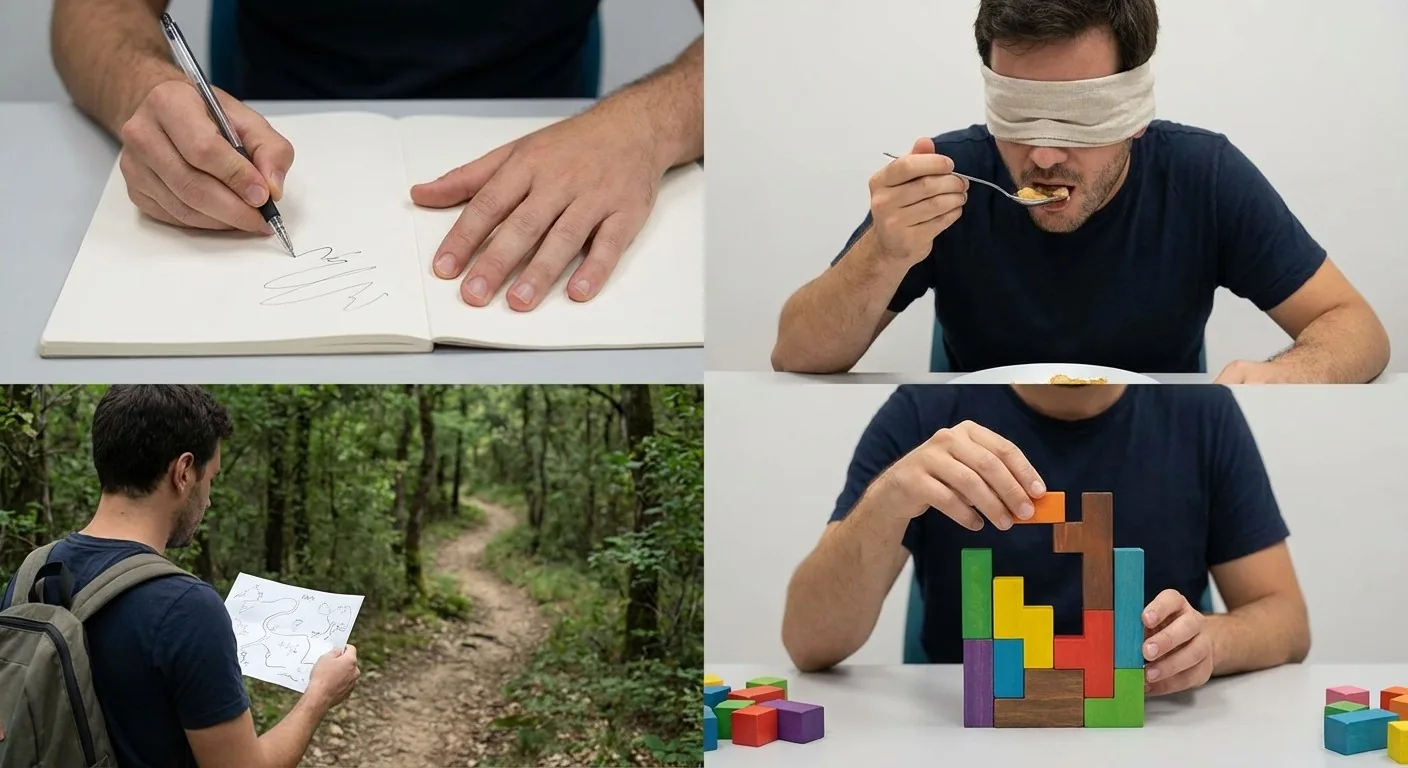
Keeping a journal, writing letters, or creative writing exercises the prefrontal cortex.
Social Interaction: Group activities, discussion clubs, volunteer work. Social brain networks activate the most complex cognitive processes.
Things to Consider
A single type of exercise is not enough — variety is important. The difficulty level should increase gradually (stepping out of the comfort zone). It should be fun — forced activities lower motivation. The combination of physical exercise + cognitive exercise yields the most effective results.5,6
Mental activities support this process and build a "cognitive reserve" — acting as a buffer against degenerative diseases like Alzheimer's.
Recommendations for All Ages
Young People: New language, musical instrument, coding. Middle Age: Social activities, strategy games, new hobbies. Older Adults: Group exercises, memoir writing, gardening, crafts.
→ Next page: S75 — Rehabilitation After Neurosurgery
In bilingual individuals, dementia starts 4-5 years later.
Kaynaklar
- Radić B et al. Psychiatr Danub. 2021. PMID 35503939
- Sidenkova A et al. Consort Psychiatr. 2024. PMID 39526013
- Park JH. Brain Neurorehabil. 2021. PMID 36741221
- Blackwood J et al. J Prev Alzheimers Dis. 2016. PMID 29205253
- Castellote-Caballero Y et al. BMC Med. 2024. PMID 38972988
- Hötting K et al. Neurosci Biobehav Rev. 2013. PMID 23623982
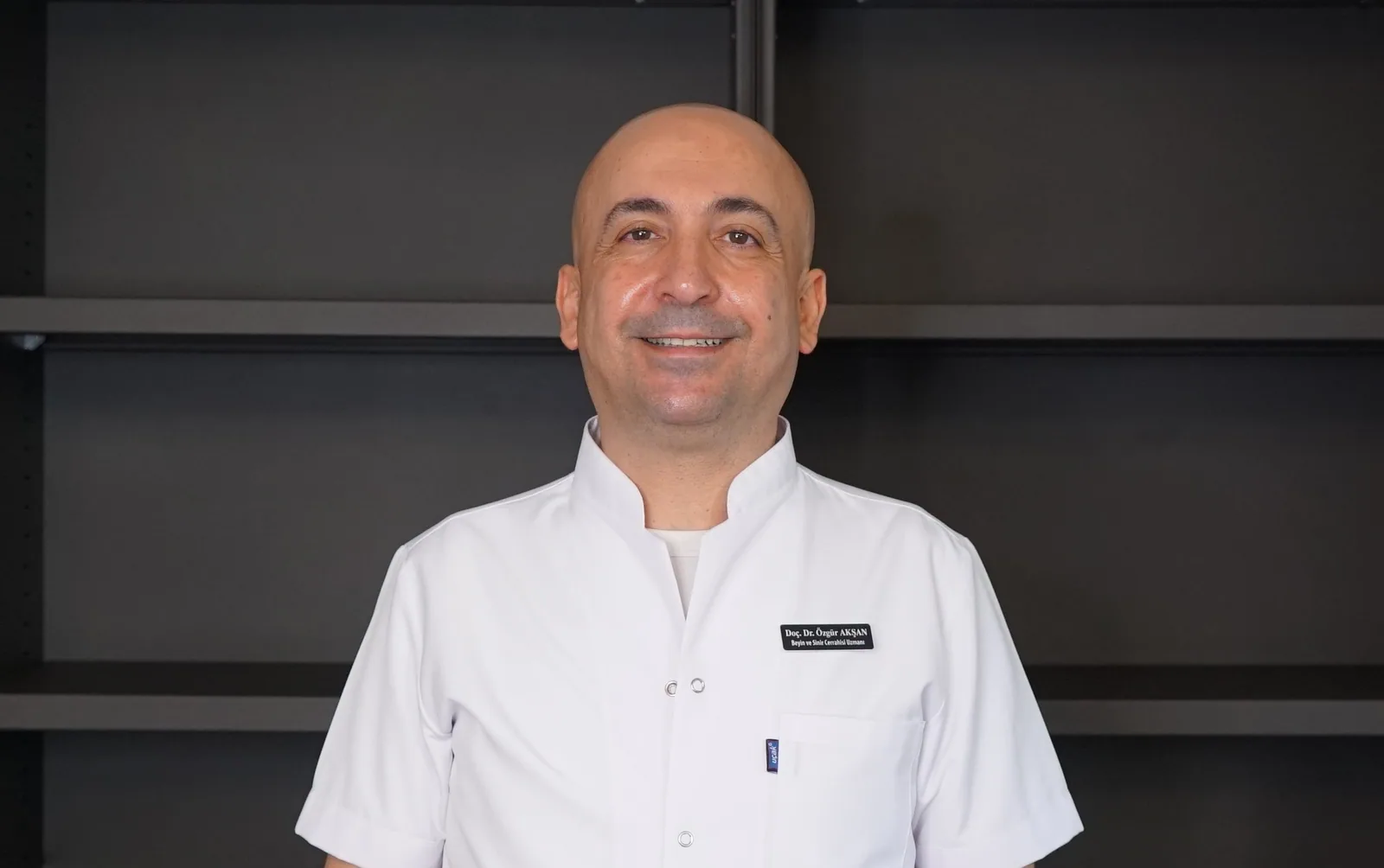
Doç. Dr. Özgür Akşan
Beyin ve Sinir Cerrahisi Uzmanı
Beyin ve Sinir · Sorumlu Yazı İşleri Müdürü ve Editör · Künye