1. Immunotherapy Breakthrough in Glioblastoma
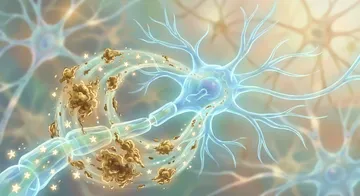
Duke University researchers reported achieving long-term responses in glioblastoma patients with a modified poliovirus (PVSRIPO). The survival rate in recurrent glioblastoma patients treated with the modified poliovirus (PVSRIPO) reached 21% at the 24th month and remained at this level at the 36th month.1 It was granted FDA "Breakthrough Therapy" status. The results show that immunotherapy holds promise even in the most aggressive brain tumour.
2. Epidural Stimulation in Spinal Cord Injury
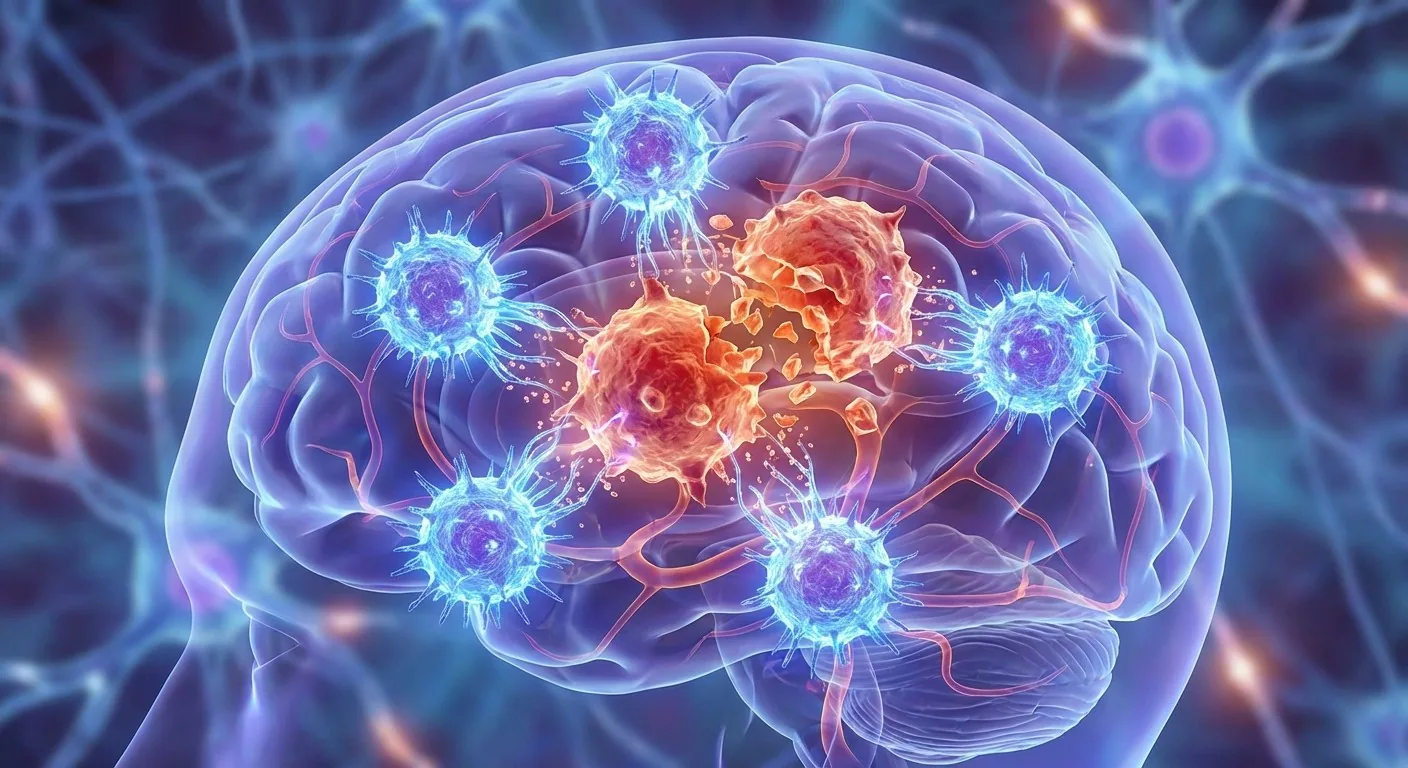
The EPFL (Ecole Polytechnique Fédérale de Lausanne) research group in Switzerland demonstrated that patients with chronic spinal cord injury could walk again with epidural electrical stimulation.2,3 With brain-spine interface (BSI) technology, leg movements could be controlled by the power of thought. These results were published in the journal Nature.
The survival rate in recurrent glioblastoma patients treated with PVSRIPO was reported as 21% at the 36th month.
3. Lecanemab for Alzheimer's: A New Era?
The anti-amyloid antibody lecanemab (Leqembi) was approved by the FDA. In clinical trials, it slowed cognitive decline by approximately 30%.4,5 Although it is not a cure, it is a historic milestone as the first drug capable of modifying the disease process in Alzheimer's treatment. Its side effects (ARIA — amyloid-related imaging abnormalities) must be carefully monitored.
→ Next page: S78 — Global News (4-6)

Kaynaklar
- Desjardins A et al. N Engl J Med. 2018. PMID 29943666
- Kathe C et al. Nature. 2022. PMID 36352232
- Rowald A et al. Nat Med. 2022. PMID 35132264
- Swanson CJ et al. Alzheimers Res Ther. 2021. PMID 33865446
- Cummings J et al. BioDrugs. 2024. PMID 37955845
Doç. Dr. Özgür Akşan
Beyin ve Sinir Cerrahisi Uzmanı
Beyin ve Sinir · Sorumlu Yazı İşleri Müdürü ve Editör · Künye