4. Artificial Intelligence Integration in Robotic Spine Surgery
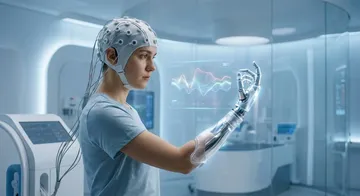
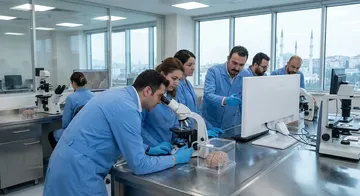
Johns Hopkins University has developed a new platform that provides intraoperative decision support in spine surgery using artificial intelligence algorithms. The system checks screw placement in real time during surgery, predicts possible complications in advance, and warns the surgeon. In the general literature regarding navigation systems, it is reported that these systems significantly reduce the risk of screw perforation compared to the freehand technique.1
5. Gene Therapy Hopes in Parkinson's Disease
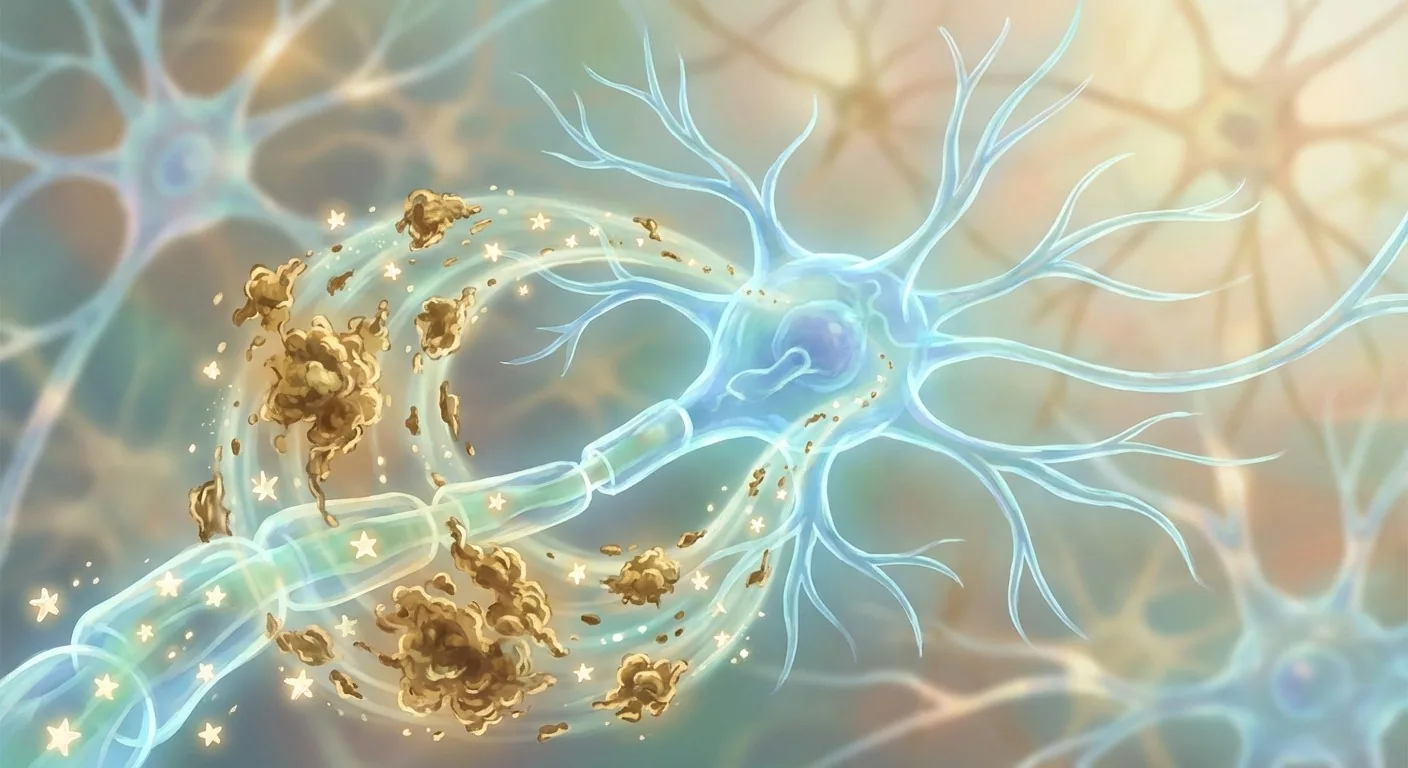
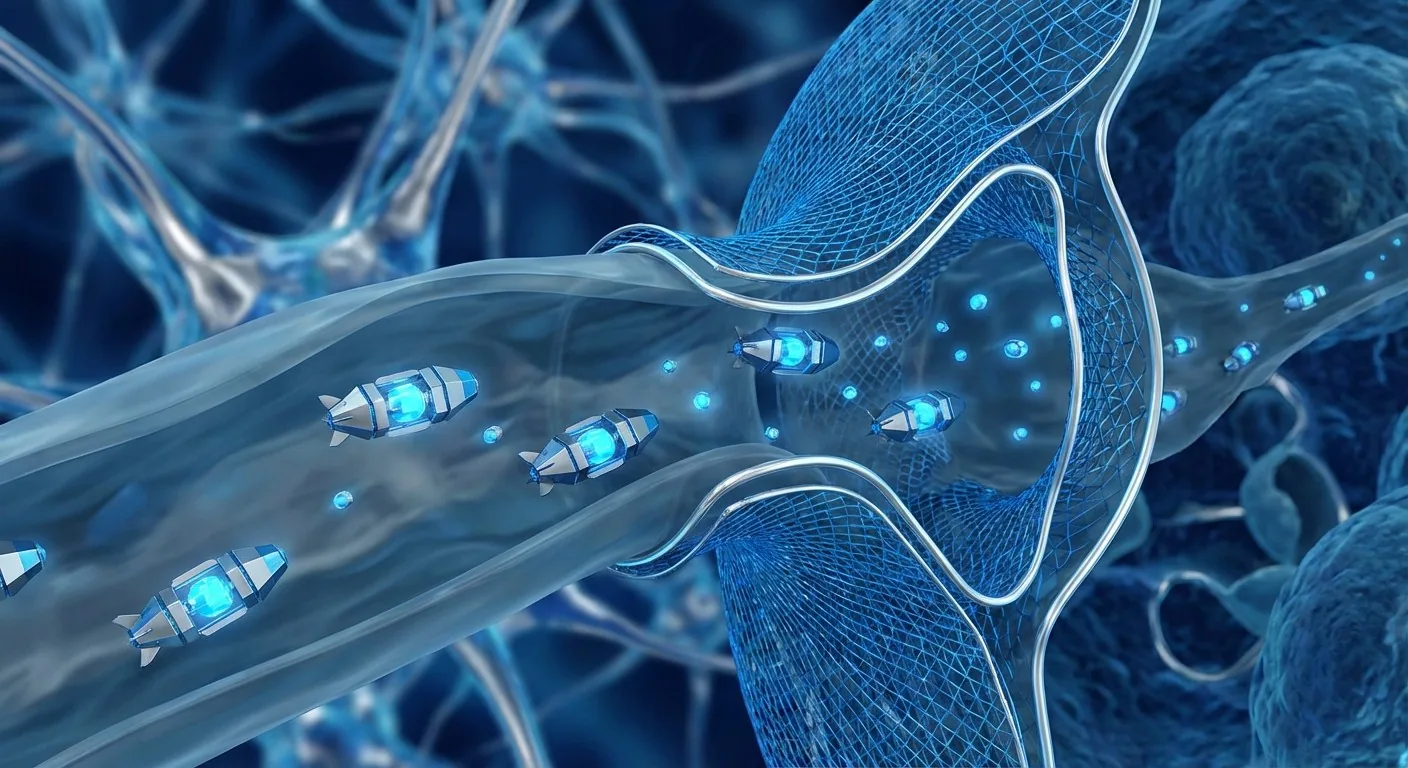
The AAV2-AADC gene therapy developed by Voyager Therapeutics carries the dopamine production gene directly into the brains of Parkinson's patients. Gene therapy could be an alternative to DBS in the future.
The AAV2-AADC gene therapy developed by Voyager Therapeutics carries the dopamine production gene directly into the brains of Parkinson's patients.
6. Ultrasound Technology in Minimally Invasive Surgery
With high-intensity focused ultrasound (HIFU), it is becoming possible to intervene in targets inside the brain without opening the skull. This technology, which is FDA-approved for the treatment of essential tremor, is now also being investigated for opening the blood-brain barrier and treating various neurological diseases.2,3 The concept of incisionless, non-invasive neurosurgery is increasingly becoming a reality.
→ Next page: S79 — BCI and Neural Interfaces
Kaynaklar
- Shin BJ et al. J Neurosurg Spine. 2012. PMID 22724594
- Baek H et al. Front Neurol. 2022. PMID 35614924
- Ranjan M et al. Expert Rev Neurother. 2019. PMID 31232614
Doç. Dr. Özgür Akşan
Beyin ve Sinir Cerrahisi Uzmanı
Beyin ve Sinir · Sorumlu Yazı İşleri Müdürü ve Editör · Künye