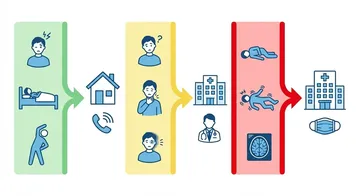
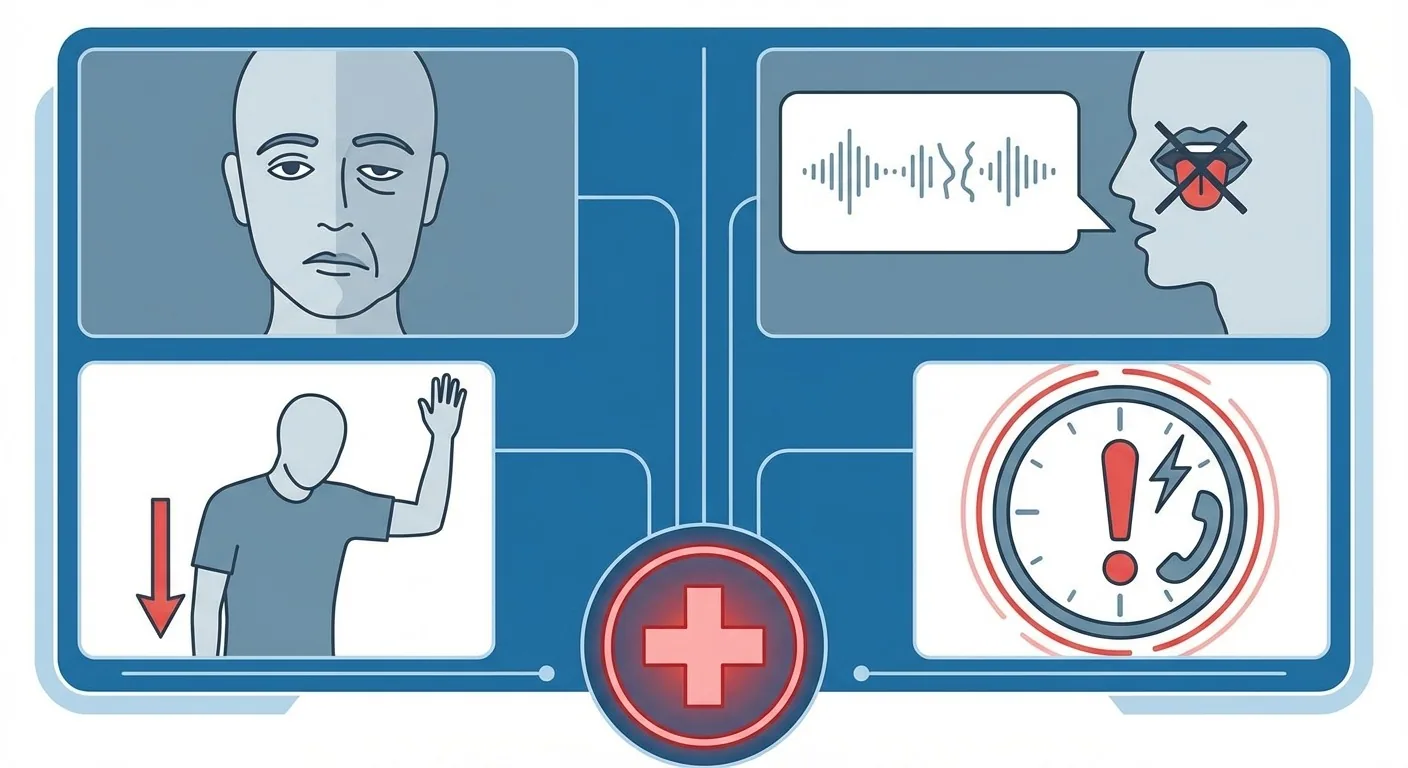
FAST — Four steps to recognise a stroke
F (Face): Ask them to smile. Is one side of the face drooping?
A (Arms): Ask them to raise both arms. Is one arm dropping?
S (Speech): Ask them to repeat a simple sentence. Is their speech slurred?
T (Time): If any of these symptoms are present, call 112 immediately!
Head Trauma — What to Do?
Mild Trauma: No loss of consciousness, no vomiting, normal behaviour. Arousability should be checked.
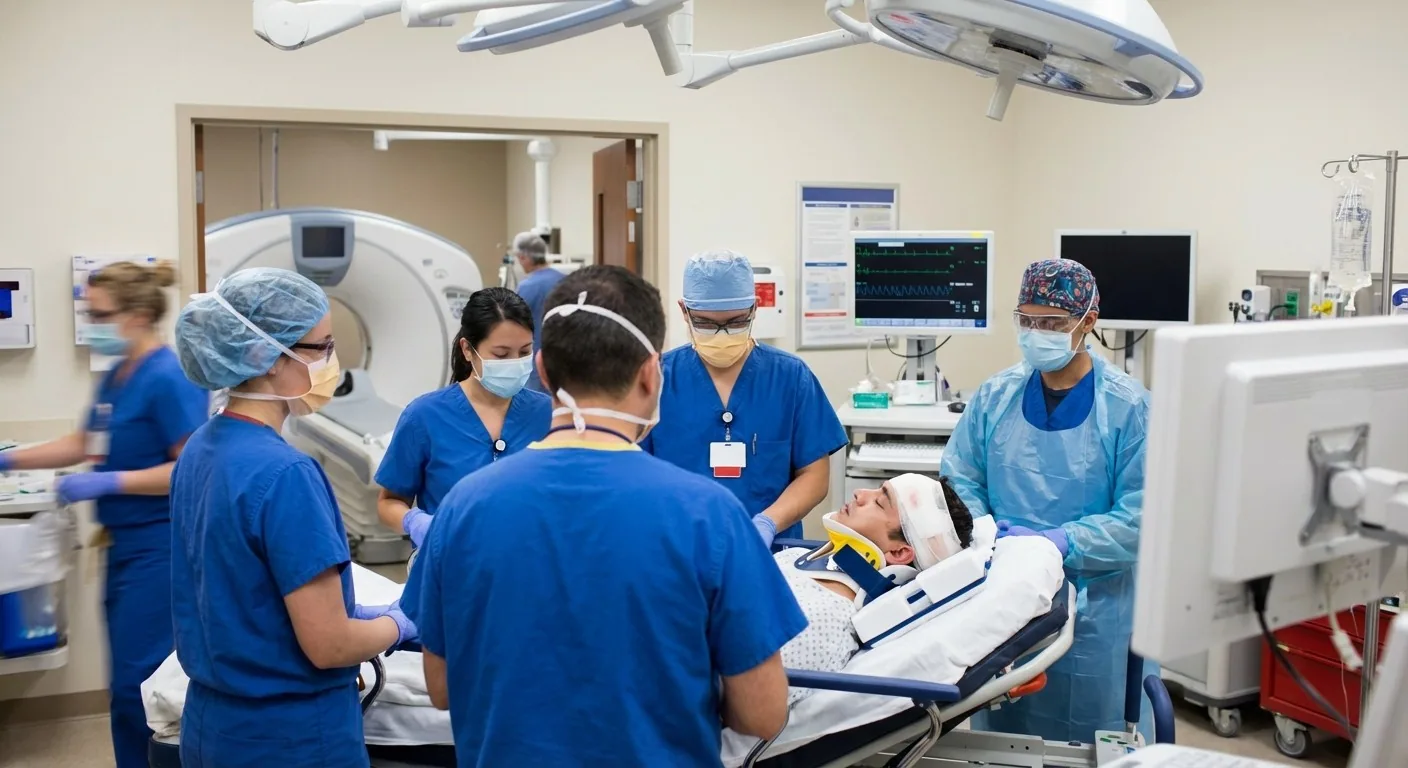
Moderate-Severe Trauma: Loss of consciousness, vomiting, amnesia, scalp laceration, fluid leakage from the ear/nose. Take them to the emergency department, do not move the neck.
In Children: Every head trauma under 2 years of age must be taken seriously.1,2 Bulging fontanelle, drowsiness, vomiting, irritability → emergency evaluation.
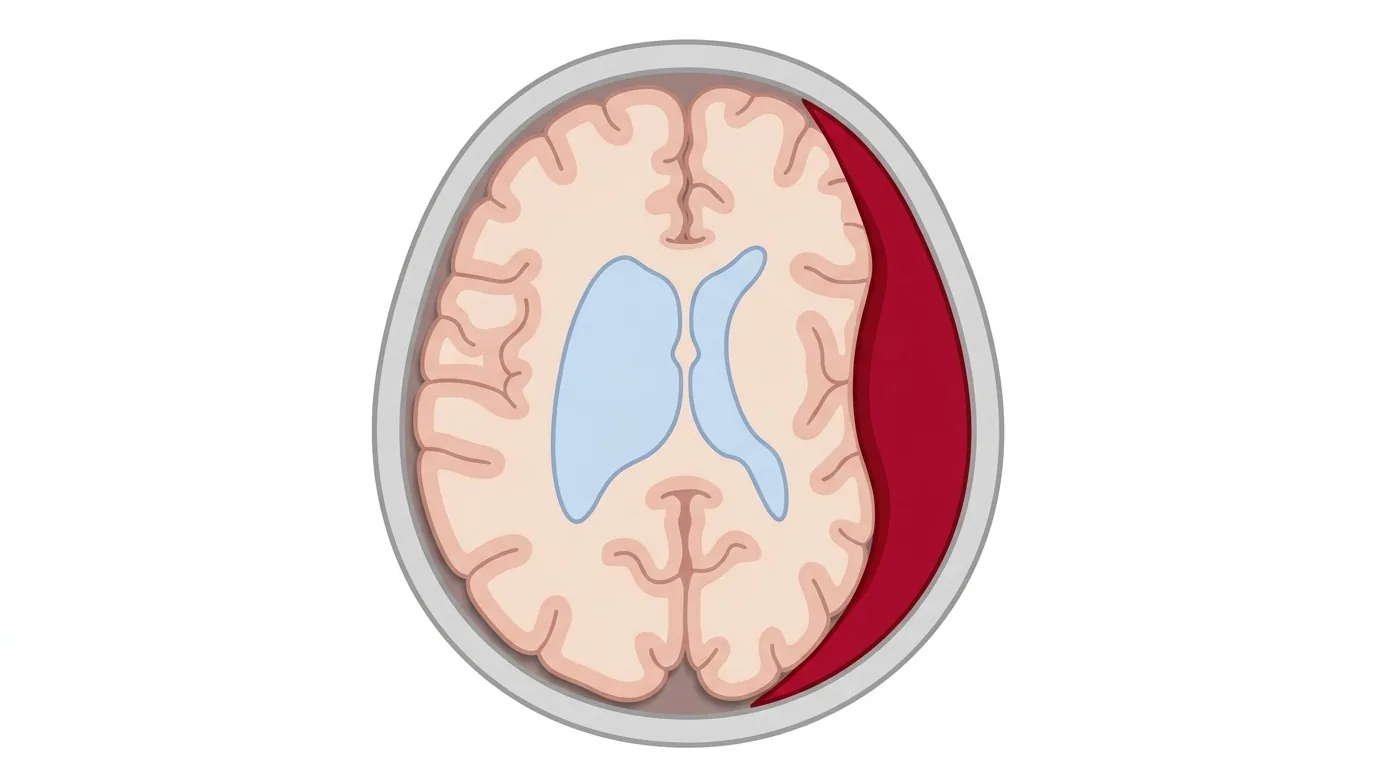
Subarachnoid Haemorrhage — Aneurysm Rupture
"The worst headache of my life" expression is typical. Neck stiffness, nausea-vomiting, and confusion may accompany it. 1 in every 4 patients loses their life from the haemorrhage. Early intervention (securing the aneurysm within 24-72 hours) saves lives.3,4
First Aid Principles
Stay calm and call 112. Do not move the patient (there may be neck trauma). Assess their state of consciousness (are they speaking, are they responding?). Keep the airway open. If there is bleeding, apply pressure with a clean cloth. If there is vomiting, turn the patient to a side position. If they are having a seizure, move objects away from around them, do not put anything in their mouth.
→ Next page: S84 — Glossary of Medical Terms
Kaynaklar
- Adamsbaum C et al. J Neuroradiol. 2004. PMID 15545939
- Wootton-Gorges SL et al. J Am Coll Radiol. 2017. PMID 28473090
- Ohman J et al. J Neurosurg. 1989. PMID 2909689
- Dorhout Mees SM et al. Stroke. 2012. PMID 22700527
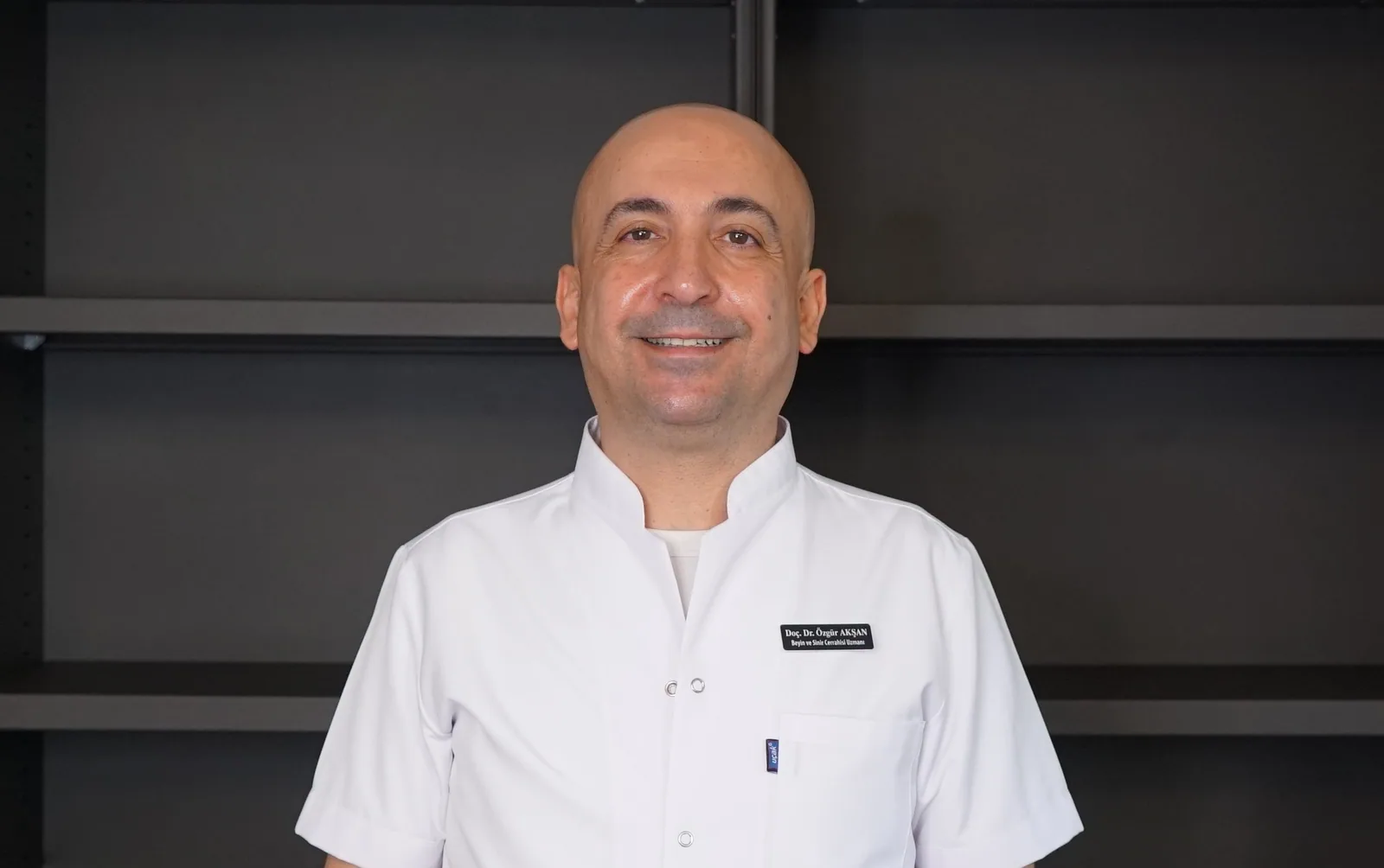
Doç. Dr. Özgür Akşan
Beyin ve Sinir Cerrahisi Uzmanı
Beyin ve Sinir · Sorumlu Yazı İşleri Müdürü ve Editör · Künye