Conditions requiring neurosurgery in childhood differ from those in adults.
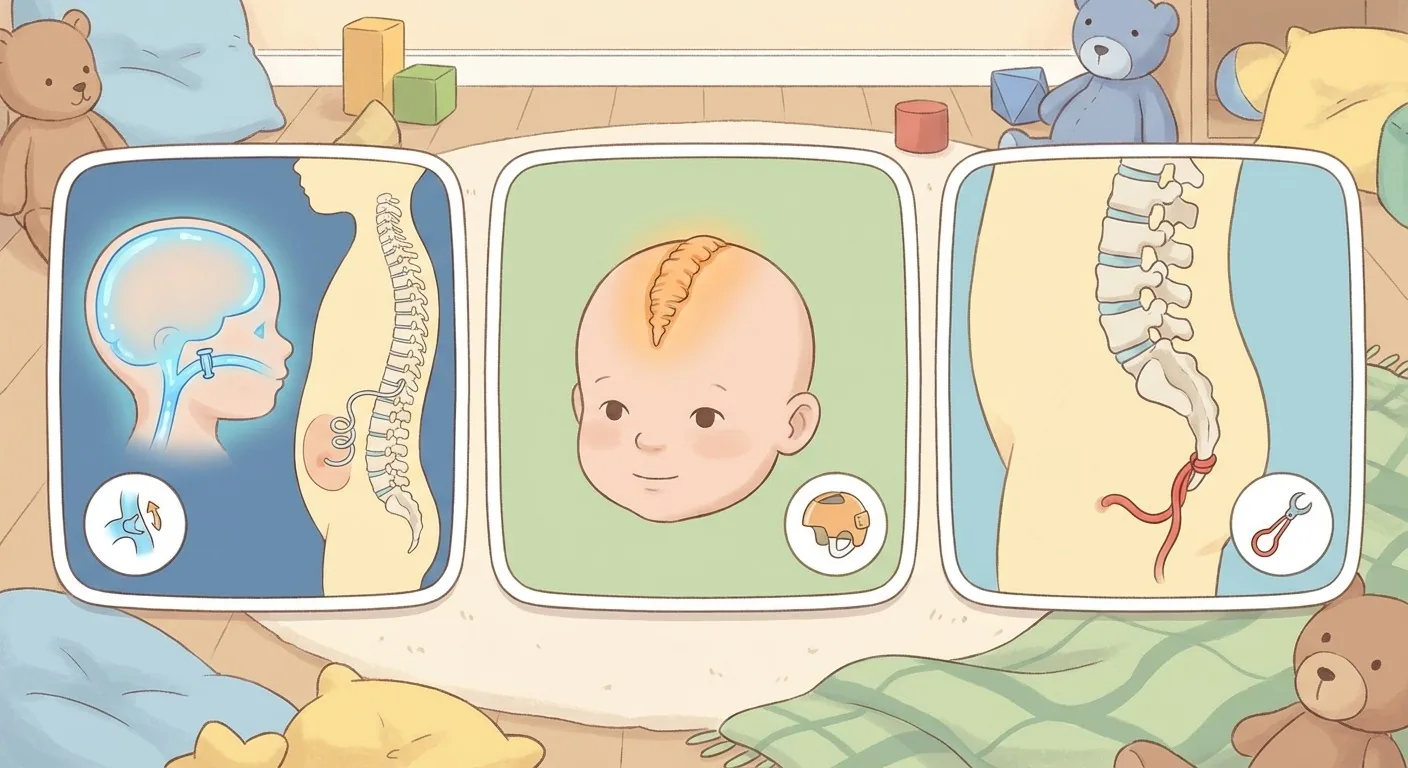
Symptoms to Watch Out For
In babies: Rapid growth in head circumference, a tense/bulging fontanelle, downward deviation of the eyes (setting sun sign), irritability, feeding difficulties, developmental delay.
In children: Morning headaches (especially if accompanied by vomiting), imbalance, vision problems, decline in school performance, personality changes, new-onset seizures.
Guide for Parents
Get an evaluation from an expert paediatric neurosurgeon. Do not hesitate to get a second opinion.
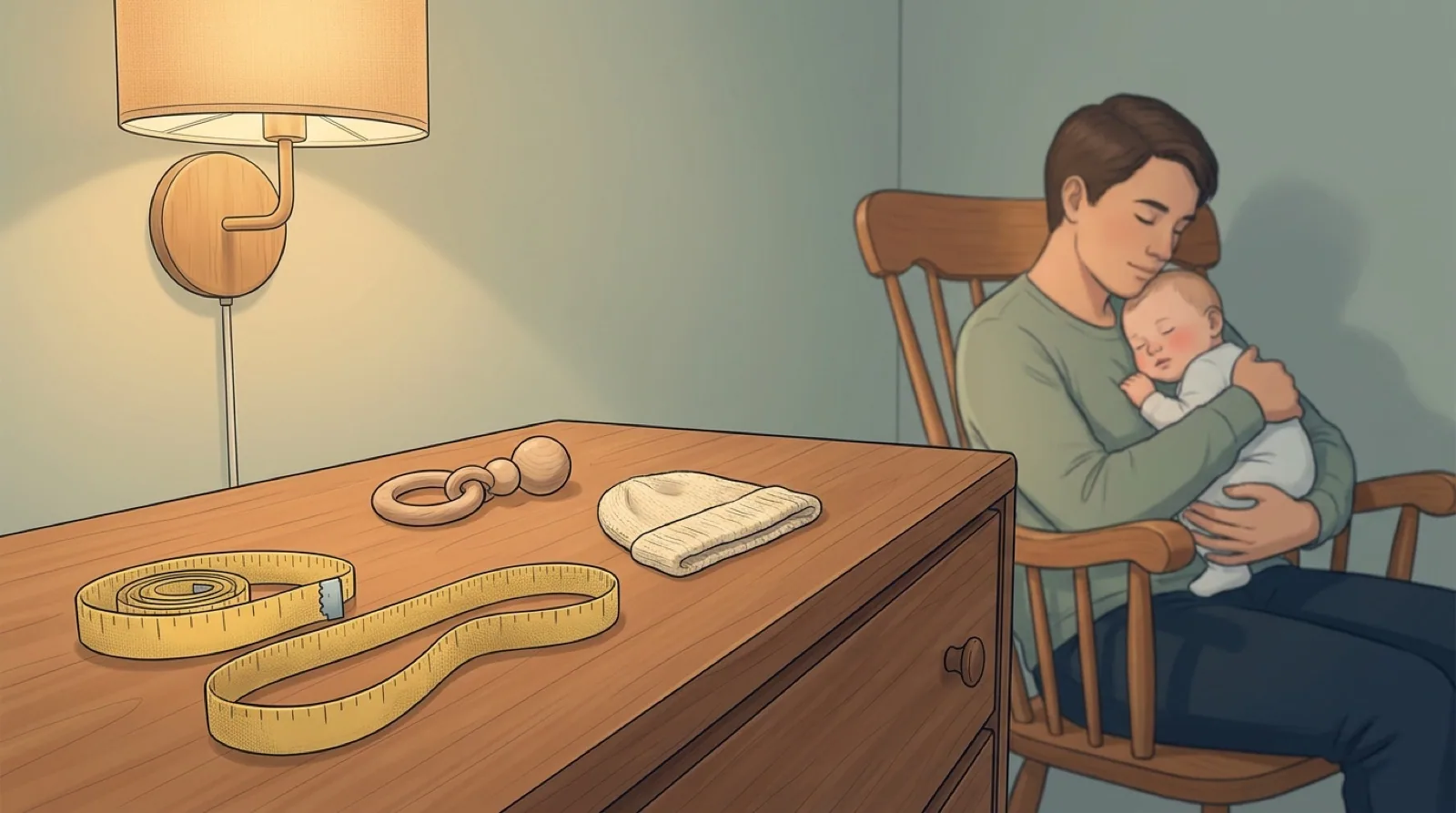
Before Surgery: Explain things to your child in an age-appropriate manner. Normalise the fear of surgery. Bring familiar items (toys, blankets) to the hospital.
After Surgery: Neuroplasticity is very strong in childhood — brain functions have an incredible capacity for adaptation.1,2 Be patient and stick to the rehabilitation programme.
In babies: Rapid growth in head circumference, a tense/bulging fontanelle, downward deviation of the eyes (setting sun sign), irritability, feeding difficulties, developmental delay.
Long-Term Follow-Up
Regular check-ups throughout the growing years are important. Shunt malfunction is common in children with shunts and revision may be required.3 After tumour surgery: endocrinological and neuropsychological follow-up. After epilepsy surgery: medication adjustment and cognitive evaluation.
→ Next page: S83 — Emergency Guide
Kaynaklar
- Giza CC et al. Dev Neurorehabil. 2009. PMID 19956795
- Perliceusz K et al. Children (Basel). 2026. PMID 42509891
- Camilleri L et al. Cureus. 2025. PMID 41510402
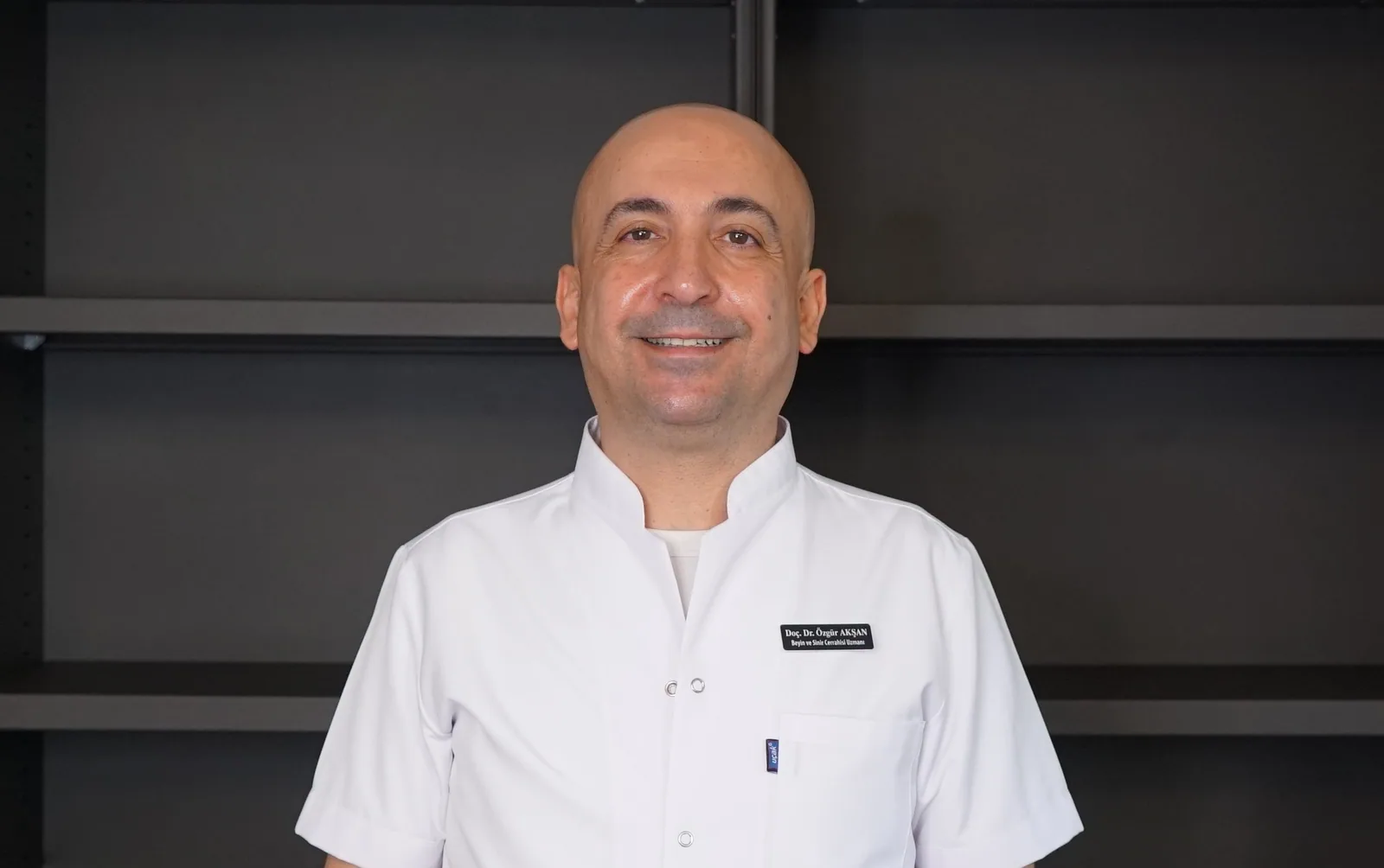
Doç. Dr. Özgür Akşan
Beyin ve Sinir Cerrahisi Uzmanı
Beyin ve Sinir · Sorumlu Yazı İşleri Müdürü ve Editör · Künye