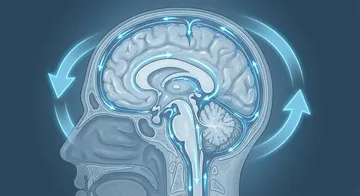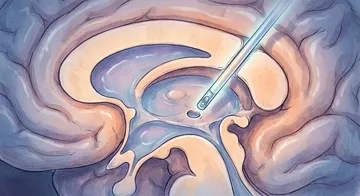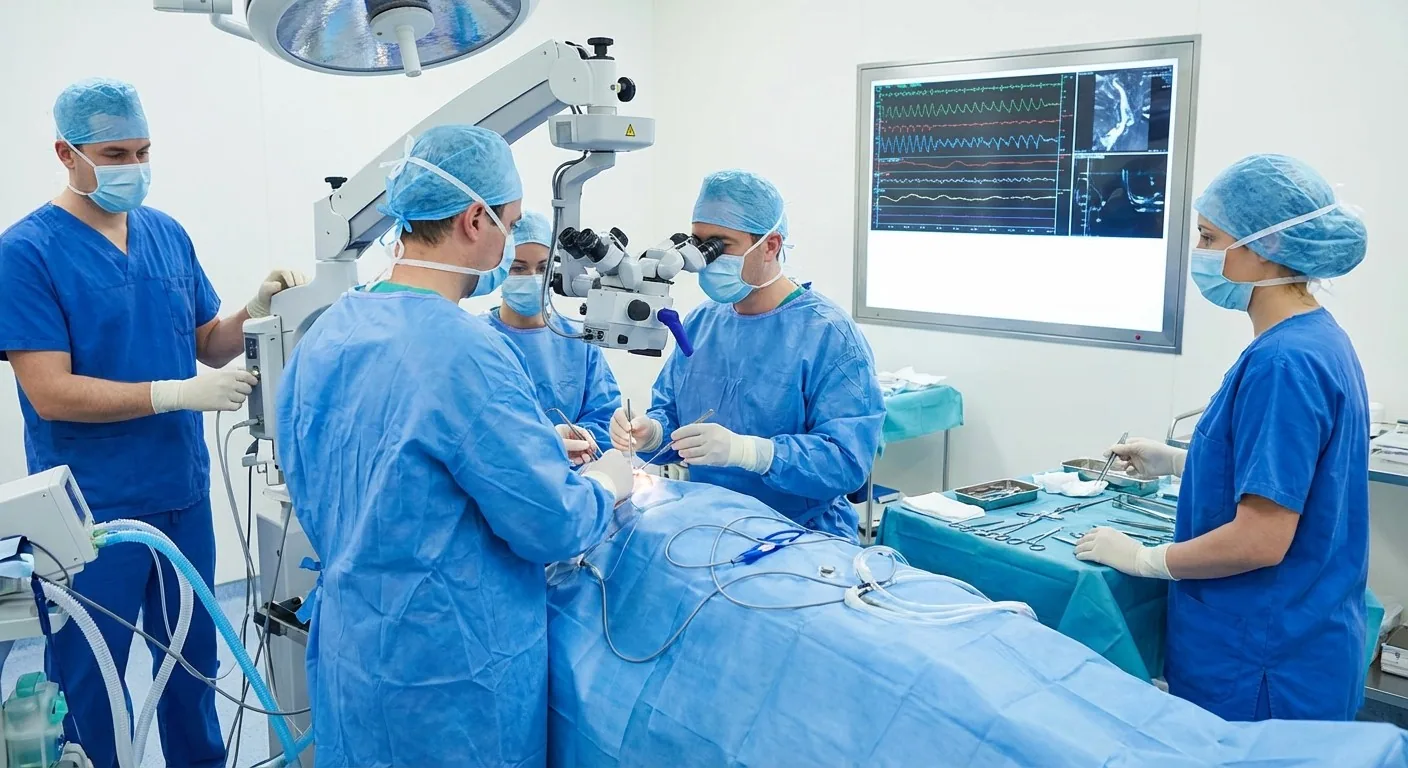
Thrombolytic therapy (tPA) and mechanical thrombectomy are at the forefront of treatment. The role of neurosurgery: decompressive craniectomy in large infarcts.
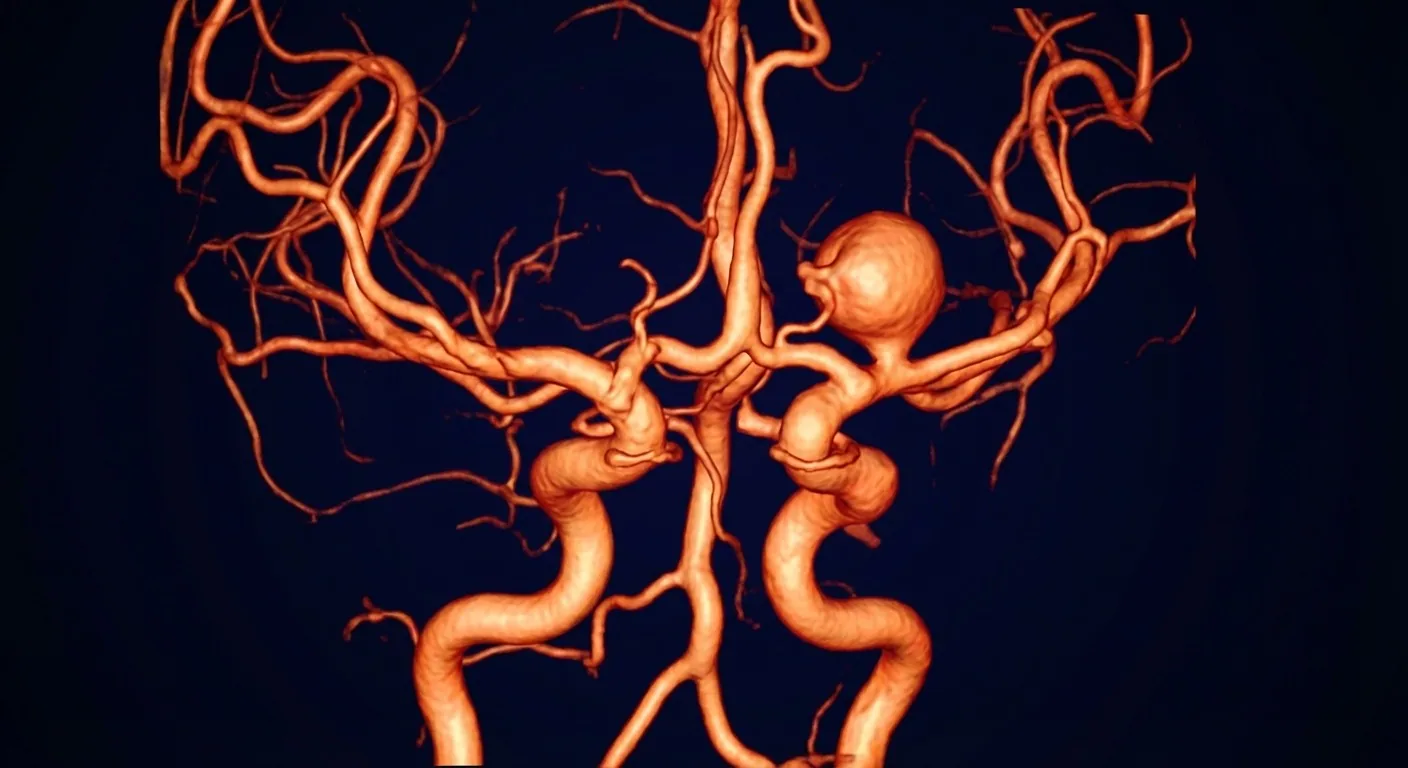
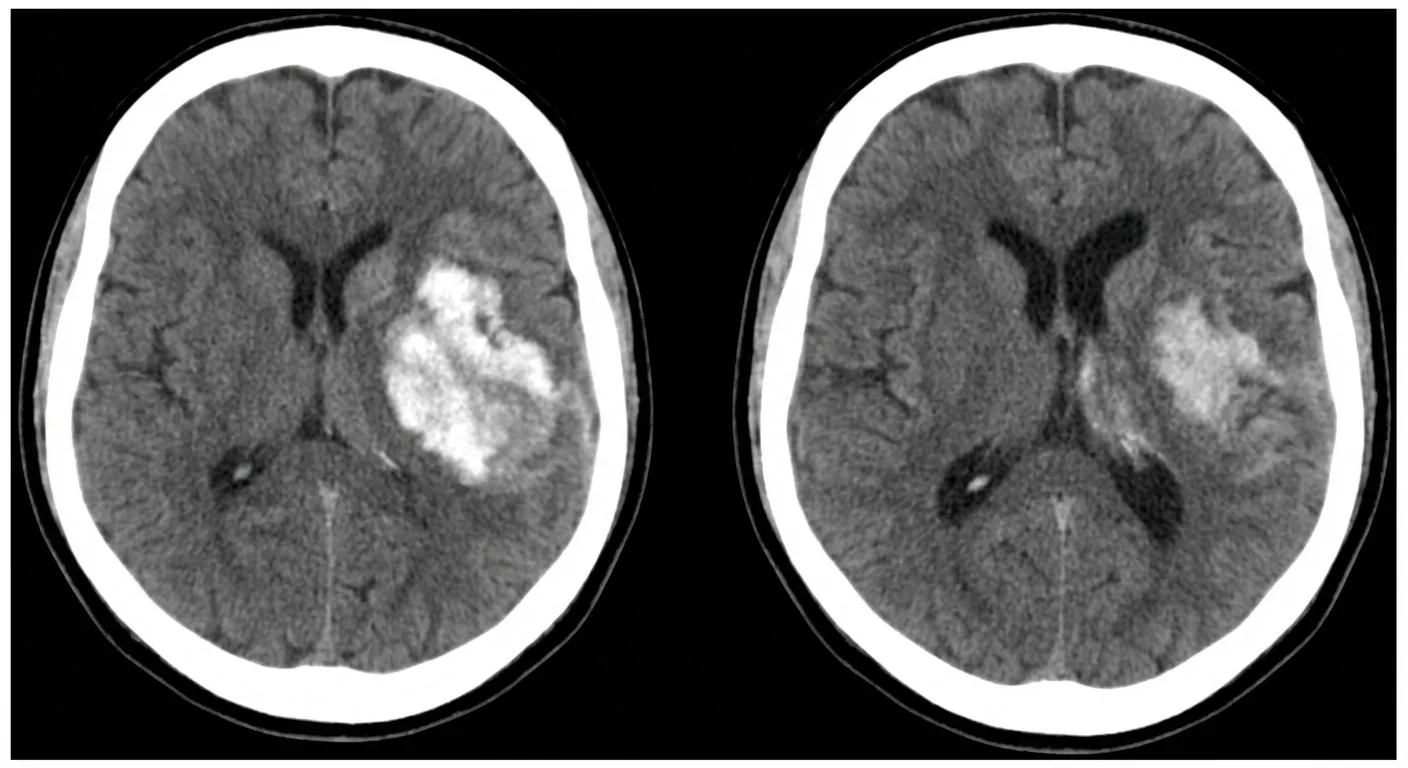
Haemorrhagic Stroke (15%): Bleeding as a result of a ruptured brain blood vessel. It is divided into two main types: intracerebral haemorrhage and subarachnoid haemorrhage. Neurosurgery is at the centre of treatment.
Intracerebral Haemorrhage (ICH)
Causes
The most common cause of intracerebral haemorrhage is the damage caused by long-term high blood pressure to the small vessels of the brain; amyloid angiopathy in advanced age is also a frequent cause.1 The use of blood thinners increases the risk.2 Less commonly, vascular anomalies such as arteriovenous malformations (AVM), cavernomas, and bleeding into a tumour can also be the cause.3
Cerebellar haemorrhages larger than 3 cm are an indication for surgical intervention.
Localisation
Putaminal haemorrhage (most common), thalamic haemorrhage, cerebellar haemorrhage, lobar haemorrhage, pontine haemorrhage.
Surgical Indications
Cerebellar haemorrhages larger than 3 cm are an indication for surgical intervention.4 Surgery is generally not indicated for deep-seated (thalamic, pontine) haemorrhages.
Subarachnoid Haemorrhage (SAH)
Cause
85 percent cerebral aneurysm rupture.5,6 Presentation with the "worst headache of my life" (thunderclap headache) is typical. It is accompanied by neck stiffness, nausea, vomiting, and confusion.
Emergency Management
Diagnosis with CT (93-100% sensitivity in the first 24 hours), aneurysm localisation with CT angiography.7,8
Treatment Options
Endovascular Coiling: Platinum coils are placed into the aneurysm via a catheter from the groin. Today, it is the first choice for many aneurysms.9,10
Surgical Clipping: A clip is placed on the neck of the aneurysm via craniotomy. It is preferred for wide-necked or branch-related aneurysms.
Complications
Vasospasm (days 3-14), hydrocephalus, rebleeding, electrolyte imbalance. Intensive care monitoring is mandatory.
Decompressive Craniectomy
When brain swelling poses a life-threatening risk in large ischaemic infarcts or large haematomas, a portion of the skull bone is removed to make room for the brain. The bone is later replaced (stored at -80°C) (cranioplasty).
→ Next page: S53 — Common Misconceptions
Kaynaklar
- Hostettler IC et al. Expert Rev Neurother. 2019. PMID 31188036
- Aguilar MI et al. Semin Neurol. 2010. PMID 21207348
- Schaefer PW et al. Diseases of the Brain, Head and Neck, Spine 2024-2027: Diagnostic Imaging. 2024. PMID 39495870
- Lui TN et al. Surg Neurol. 1985. PMID 3992454
- Etminan N et al. Handb Clin Neurol. 2021. PMID 33272393
- Czekajło A. Rocz Panstw Zakl Hig. 2019. PMID 31215205
- Sames TA et al. Acad Emerg Med. 1996. PMID 8749962
- Chee C et al. Br J Neurosurg. 2021. PMID 32650668
- Khattak YJ et al. Cureus. 2018. PMID 30542634
- Higashi T. No Shinkei Geka. 2023. PMID 37055045
- Luo Z et al. Stroke Vasc Neurol. 2024. PMID 37527920
- Rabinstein AA. Continuum (Minneap Minn). 2020. PMID 32224752
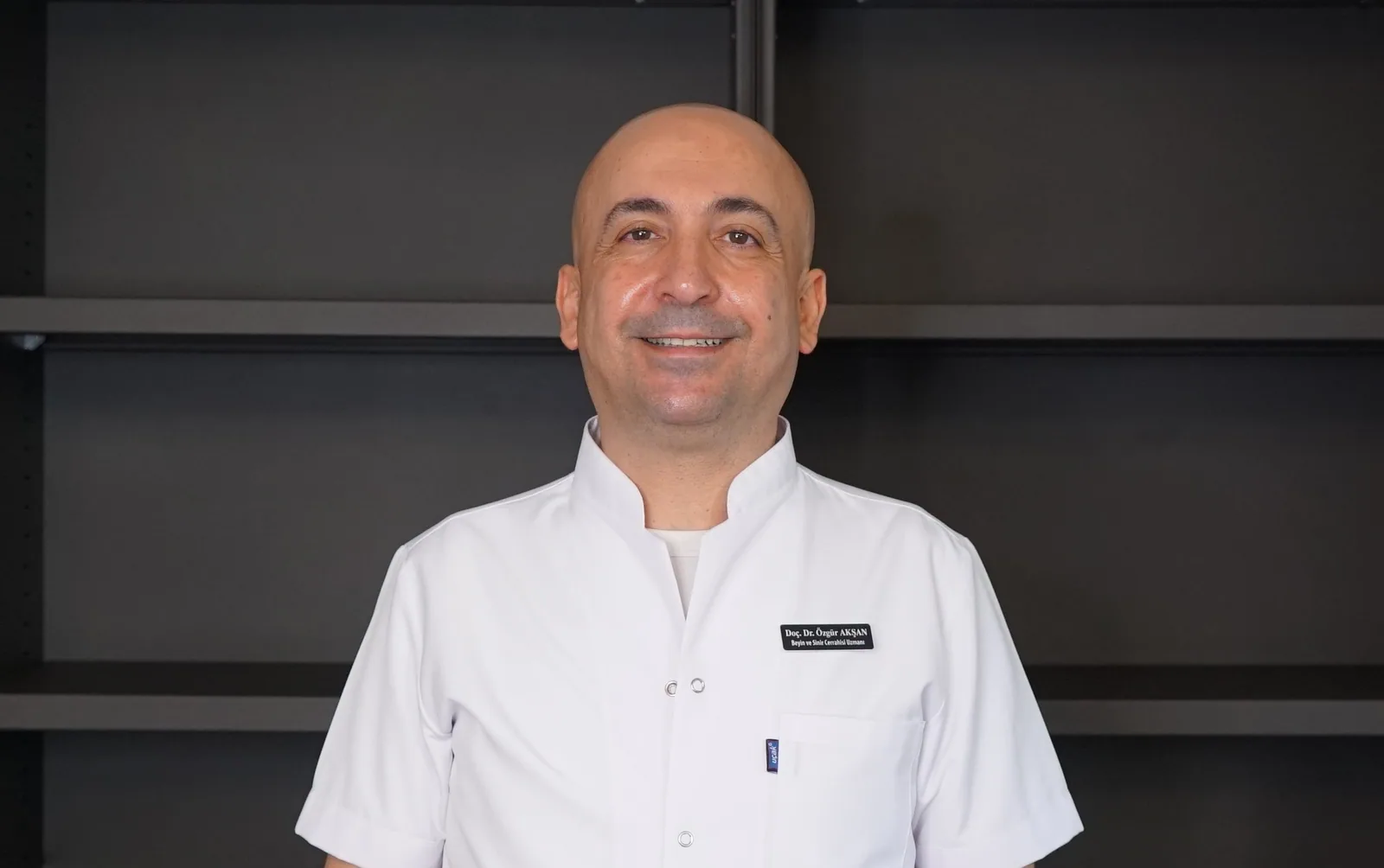
Doç. Dr. Özgür Akşan
Beyin ve Sinir Cerrahisi Uzmanı
Beyin ve Sinir · Sorumlu Yazı İşleri Müdürü ve Editör · Künye