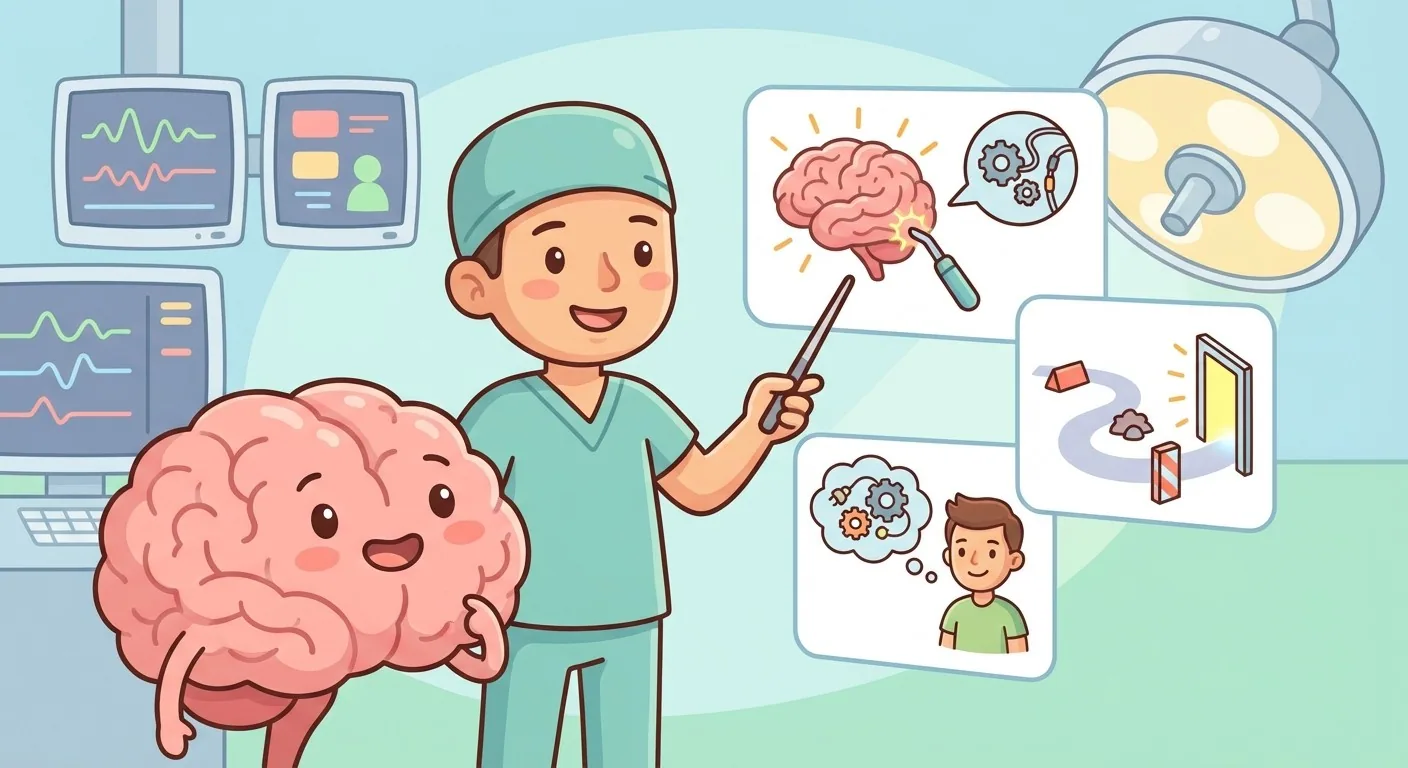
Myth 6: "The hair is completely shaved off during brain surgery"
Fact: In modern neurosurgery practice, usually only a small area in the surgical region is shaved. Some surgeons ensure minimal hair loss with the "line shave" (linear shave) technique. The hair usually grows back completely within 2-3 months. In endoscopic and minimally invasive approaches, hair shaving may hardly be necessary at all.
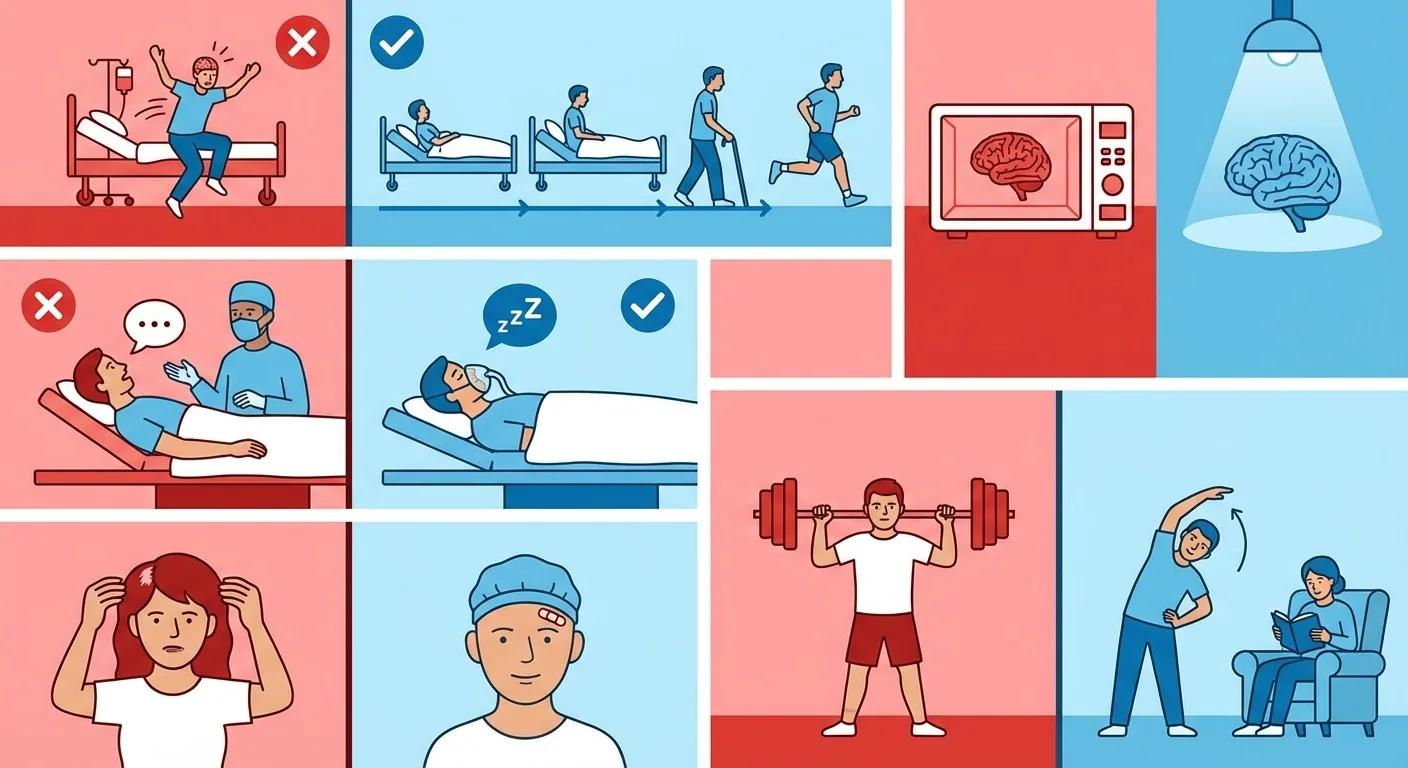
Myth 7: "Epilepsy is contagious or a demonic possession"
Fact: Epilepsy is a neurological disease, it is absolutely not contagious, and it has no supernatural causes. Seizures occur as a result of abnormal electrical activity in brain cells. With medication, approximately two-thirds of patients can live seizure-free.1,2 In suitable drug-resistant patients, surgery can provide a high rate of seizure freedom; for example, in resistant epilepsy due to tuberous sclerosis, approximately two-thirds of patients remained seizure-free after surgery.3,4
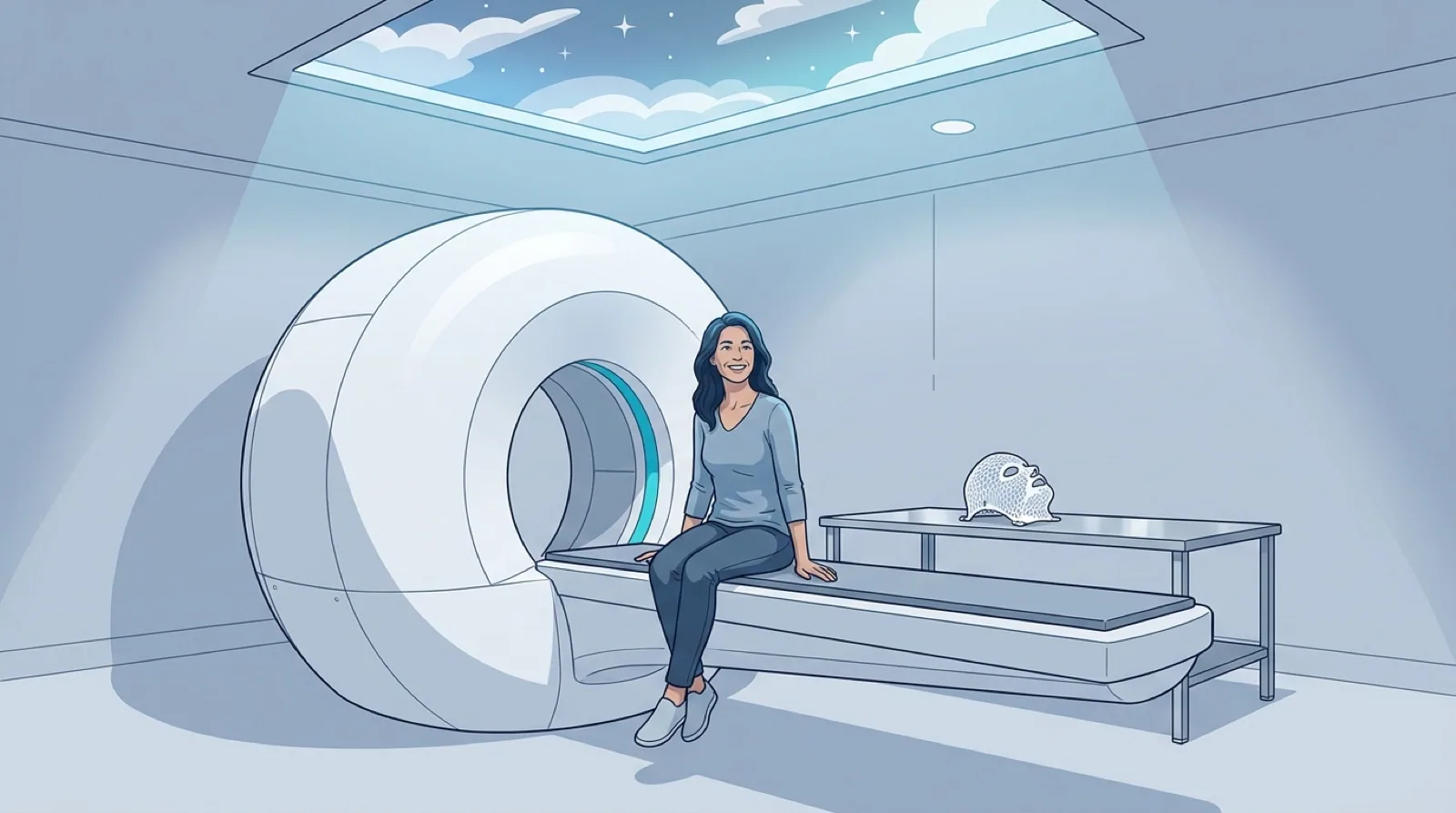
Myth 8: "Gamma Knife is a surgery performed with a real knife"
Fact: Despite the word "knife" in the name Gamma Knife, no incision or surgery is performed. Gamma rays emitted from 192 cobalt-60 sources are focused on a single point to treat the target tissue. The patient is discharged on the same day. It is a painless, bloodless treatment method without anaesthesia. It is widely used in the treatment of small brain tumours, AVMs, and trigeminal neuralgia.
Myth 9: "Brain tumours are very rare in children, there is no need to worry"
Fact: However, this myth is only partially true — although rare, awareness is important. Headaches starting in the morning with vomiting, imbalance, and vision problems in children should be evaluated carefully.
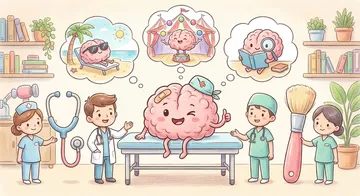
Myth 10: "It is impossible to return to a normal life after brain surgery"
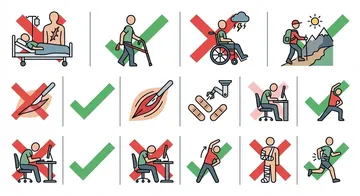
Fact: After many brain surgeries, patients return to their completely normal lives. Some return to work, play sports, and travel a few months after surgery. Of course, the recovery period varies depending on the type, size, and location of the tumour.
→ Next page: S55 — Spine Surgery Myths
Kaynaklar
- Thijs RD et al. Lancet. 2019. PMID 30686584
- Brigo F et al. Cochrane Database Syst Rev. 2024. PMID 39087564
- Specchio N et al. Epileptic Disord. 2021. PMID 33720022
- Wei Z et al. Neurology. 2025. PMID 41100778
Doç. Dr. Özgür Akşan
Beyin ve Sinir Cerrahisi Uzmanı
Beyin ve Sinir · Sorumlu Yazı İşleri Müdürü ve Editör · Künye