Question 6: Should an artificial disc or a plate-screw be preferred for a cervical herniated disc?
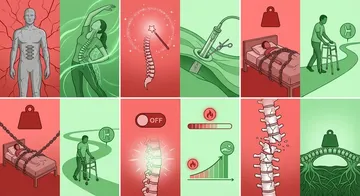
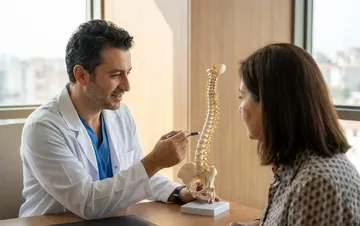
Both are effective treatment methods. Artificial disc surgery may reduce the risk of adjacent segment disease compared to fusion in single-level cervical degenerative disc disease.1,2 Plate-screw (fusion): the gold standard in multi-level disease, osteoporosis, and instability. The choice is individualised based on the patient's age, pathology, and activity level.

Question 7: My child has been diagnosed with scoliosis, is surgery mandatory?
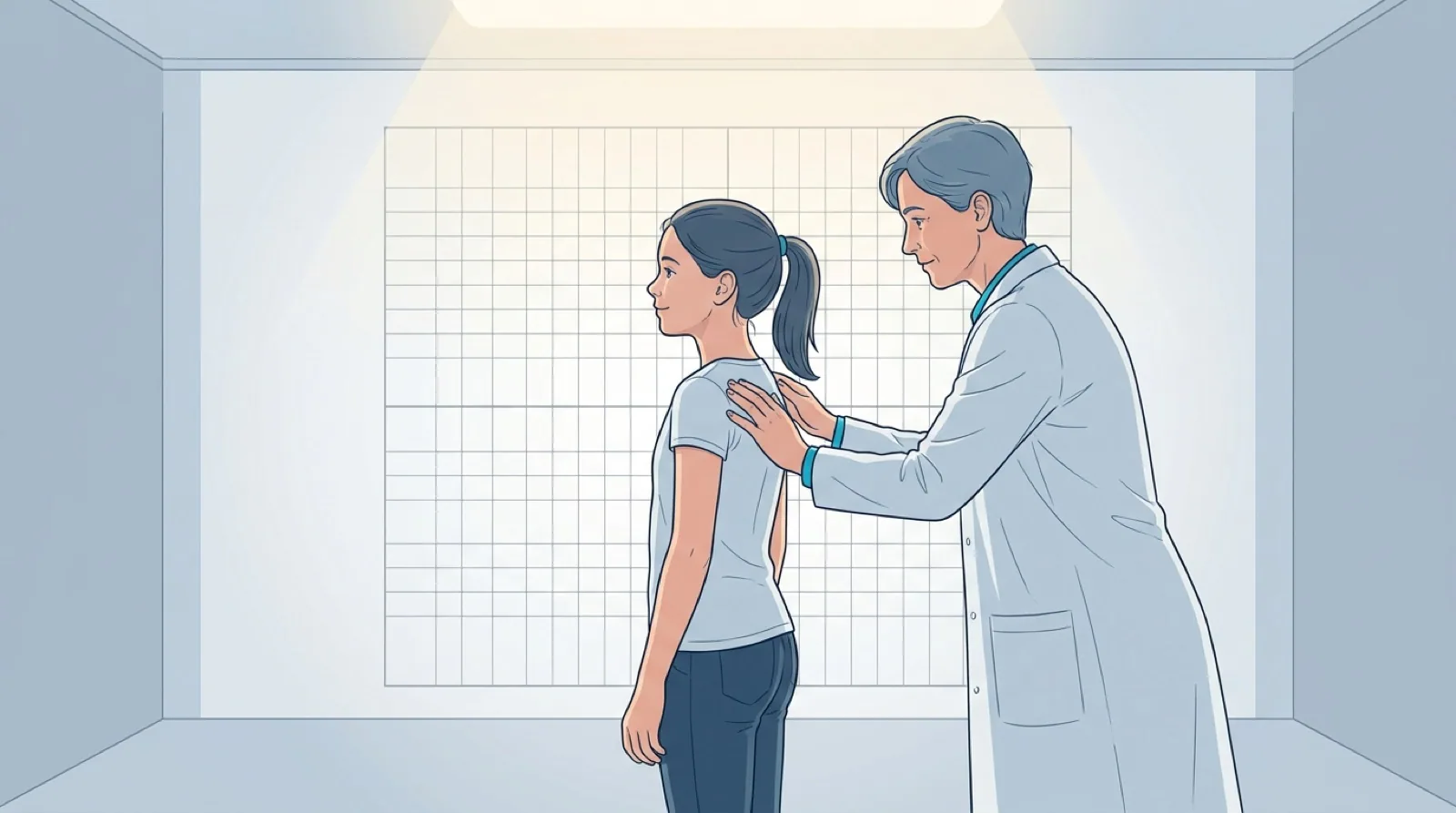
Most childhood scoliosis is mild and does not require surgery. Although it is sometimes possible to wait for the completion of the growth period, early intervention may be necessary for rapidly progressing curves.
Question 8: What type of anaesthesia is used in brain and spine surgeries?
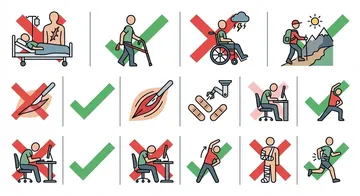
Most brain and spine surgeries are performed under general anaesthesia. Awake craniotomy: the patient is kept awake to preserve speech and motor functions in brain tumours. Local anaesthesia: may be sufficient for some minimally invasive spine procedures (endoscopic discectomy, nucleoplasty). Spinal anaesthesia: rarely, it may be preferred for some simple lower back surgeries.
Surgical correction is considered in children with curves over 40-50° and ongoing growth potential.
Question 9: Should I quit smoking before spine surgery?
Absolutely yes. Smoking reduces bone fusion success and increases the risk of surgical site infection.3,4 Smoking should be stopped at least 3-4 weeks before surgery.5 Continued smoking after surgery also increases the risk of pseudoarthrosis (non-union) and adjacent segment disease. E-cigarettes also carry similar risks.
Question 10: How long after surgery can I fly?
Approval is given after a follow-up CT. For long flights, anti-embolic stockings and regular movement are recommended due to the risk of deep vein thrombosis.
→ Next page: S59 — Spine Questions (11-15)
Kaynaklar
- Luo J et al. Arch Orthop Trauma Surg. 2015. PMID 25424753
- Mummaneni PV et al. Evid Based Spine Care J. 2012. PMID 23236315
- Pesenti S et al. Eur Spine J. 2018. PMID 30128761
- Shafi M et al. PLoS One. 2026. PMID 41529063
- Gohel P et al. J Craniovertebr Junction Spine. 2025. PMID 40292172
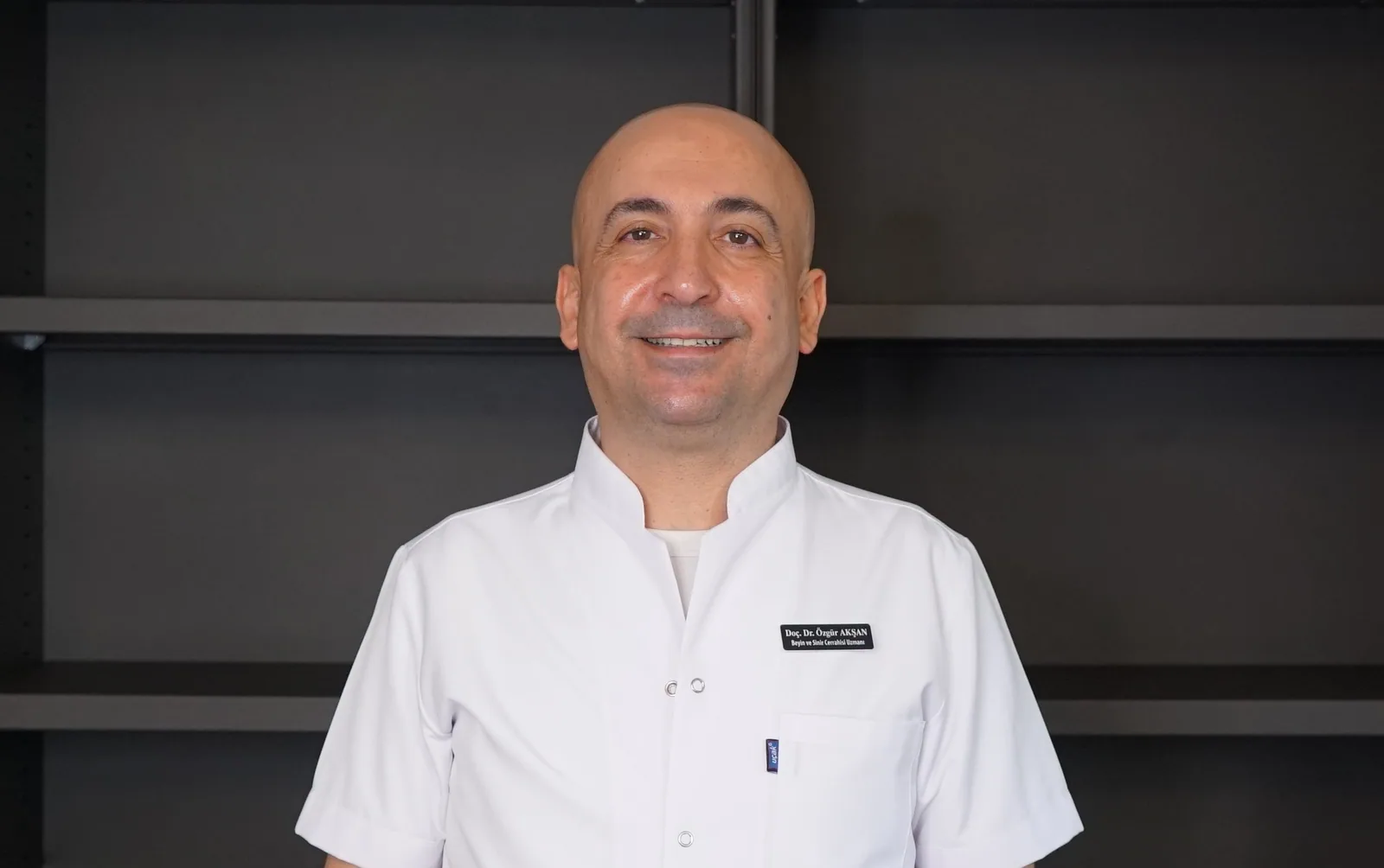
Doç. Dr. Özgür Akşan
Beyin ve Sinir Cerrahisi Uzmanı
Beyin ve Sinir · Sorumlu Yazı İşleri Müdürü ve Editör · Künye