Myth 6: "Once you have surgery, you will constantly need surgery"
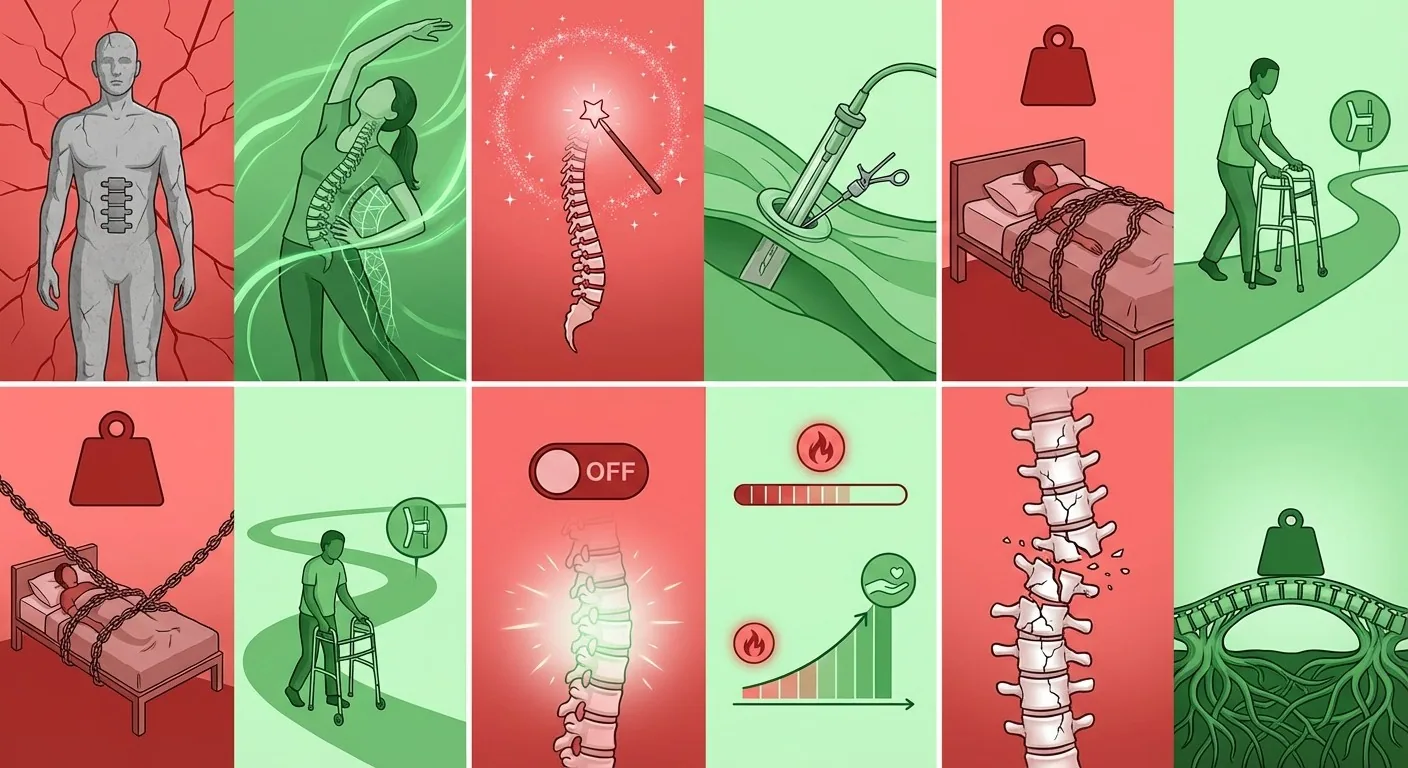
Fact: The need for reoperation after a successful spine surgery is low. The recurrent herniation rate after microdiscectomy is 3-24%,1 and the need for revision surgery ranges between 3-18%.2,3 Symptomatic adjacent segment disease after fusion surgery develops at a rate of approximately 3% per year; this corresponds to a cumulative risk of approximately 25% over 10 years.4 The annual incidence rate of adjacent segment disease after lumbar fusion has been reported as 1.8% (95% CI: 1.3-2.4%).5 The first surgery, performed by an experienced surgeon with the correct indication, minimises the risk of reoperation.
Myth 7: "Physical therapy is always sufficient instead of surgery for spinal stenosis"
Fact: Physical therapy can be effective in mild-to-moderate spinal stenosis. Surgical decompression is recommended for symptomatic lumbar spinal stenosis.6 It is important to evaluate the patient who says, "I did not benefit from physical therapy."
Myth 8: "Having surgery at a young age is riskier"
Fact: The exact opposite is true. Young patients have better bone quality, higher healing capacity, and a lower comorbidity rate. If there is a severe neurological deficit or progressive pathology, delaying surgery is riskier. In young patients, correction can be achieved using motion-preserving techniques (such as vertebral tethering or growth modulation).7
Symptomatic adjacent segment disease after fusion surgery develops at a rate of approximately 3% per year; this corresponds to a cumulative risk of approximately 25% over 10 years.
Myth 9: "Elderly people cannot undergo surgery"
Fact: Spine surgery can be performed on advanced-age patients; proper patient selection is the determining factor in these patients.8,9 What matters is not chronological age, but physiological age and general condition. Thanks to anaesthesia techniques, minimally invasive surgeries, and advanced intensive care facilities, safe surgery is also possible for elderly patients.
Myth 10: "You cannot do sports after spine surgery"
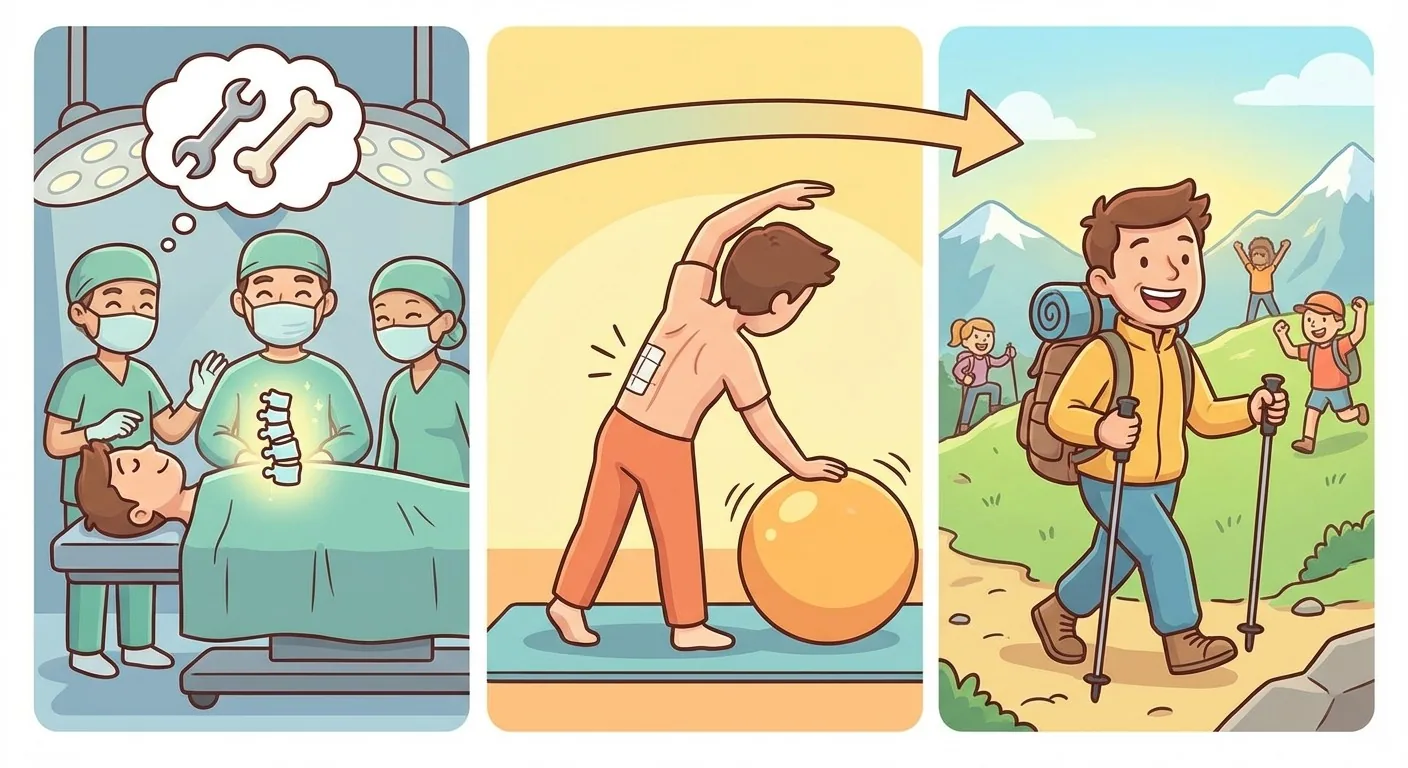
Fact: Many sports activities are possible after a certain recovery period following surgery. Swimming, walking, cycling, yoga, and Pilates can be done safely. High-impact sports such as football, basketball, and weightlifting require surgeon approval. Many professional athletes have returned to their careers after spine surgery.
→ Next page: S57 — Frequently Asked Questions
Kaynaklar
- Albayrak S et al. Med Sci Monit. 2023. PMID 38158652
- Golubovsky JL et al. Spine J. 2026. PMID 41638364
- Colantonio DF et al. J Am Acad Orthop Surg. 2024. PMID 39705812
- Hilibrand AS et al. J Bone Joint Surg Am. 1999. PMID 10225797
- Zhang C et al. Clin Spine Surg. 2016. PMID 26836484
- Rousing R et al. Eur Spine J. 2019. PMID 31098717
- Guzman JZ et al. Instr Course Lect. 2019. PMID 32032060
- Avila MJ et al. Cureus. 2016. PMID 27081580
- Bernstein DN et al. World Neurosurg. 2017. PMID 28456739
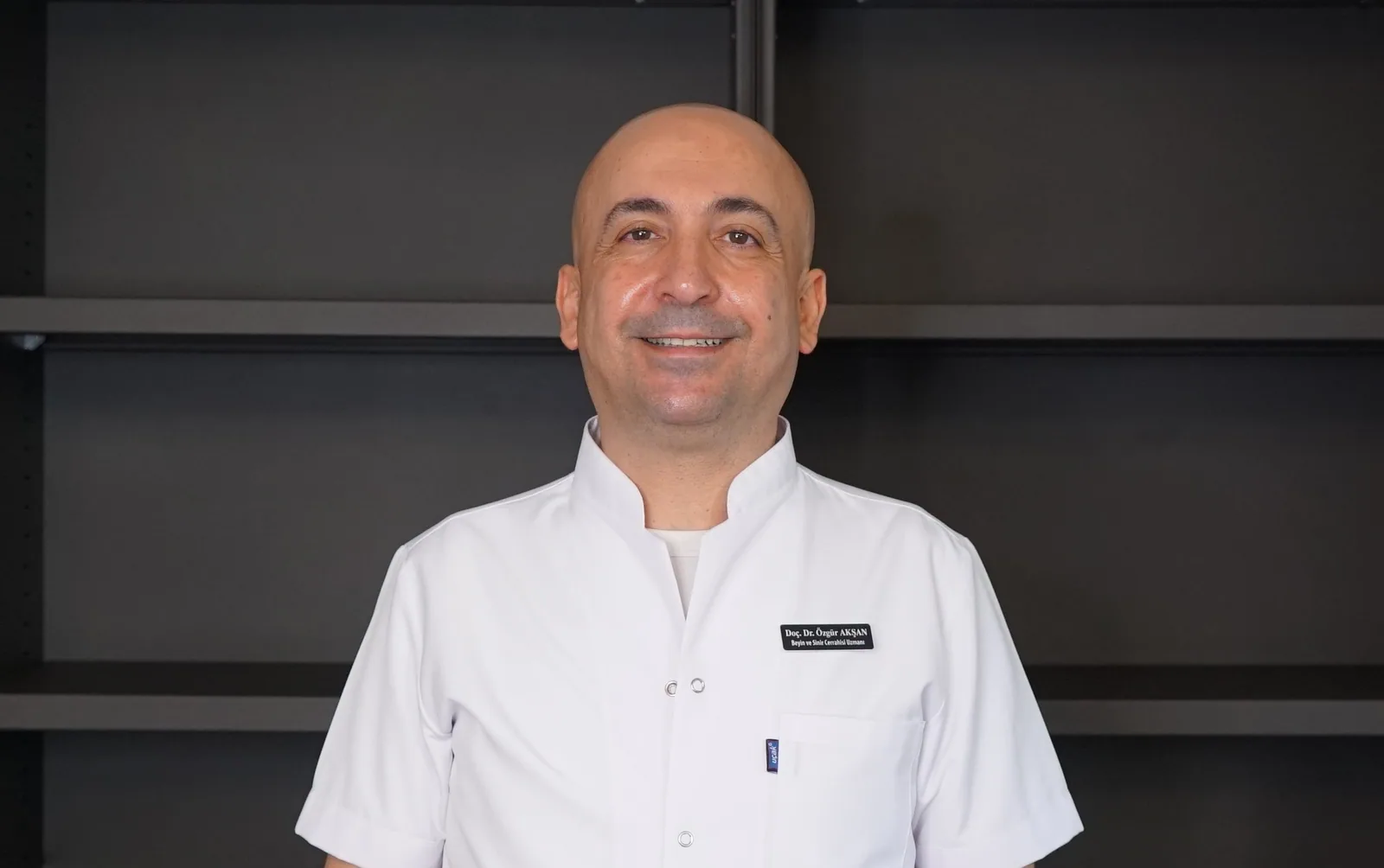
Doç. Dr. Özgür Akşan
Beyin ve Sinir Cerrahisi Uzmanı
Beyin ve Sinir · Sorumlu Yazı İşleri Müdürü ve Editör · Künye