Question 1: How long does brain tumour surgery take?
It varies between 2-8 hours depending on the type, size, and location of the tumour. Simple meningioma surgery can take 2-3 hours, complex skull base tumours can take 6-8 hours. Cases requiring awake craniotomy may take longer due to language and motor tests. The duration of the surgery alone is not an indicator of difficulty.

Question 2: Is getting an MRI harmful?
No. MRI (Magnetic Resonance Imaging) does not use ionising radiation; it works with a magnetic field and radio waves. Unlike CT (computed tomography), it does not carry a radiation risk. Non-contrast MRI can be safely used during pregnancy when necessary; contrast agents (gadolinium) are not given during pregnancy unless absolutely necessary.1,2 Contrast agent (gadolinium) allergy is rare (approximately 0.10% - 0.17%).3,4 In cases such as pacemakers, certain metallic implants, and shrapnel, an MRI may not be possible — be sure to inform your doctor.
Question 3: Is there memory loss after brain surgery?
It depends on the surgical area. There may be difficulty concentrating in frontal lobe surgery. Memory loss is not expected in surgeries of other areas. Neurocognitive tests are performed before and after surgery to provide an assessment.
Question 4: Which doctor should I see for a herniated disc?
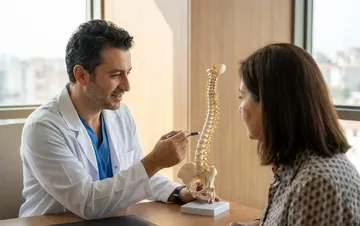
A brain and nerve surgery (neurosurgery) specialist or an orthopaedics and traumatology specialist can evaluate it. In cases not requiring surgery, a physical therapy and rehabilitation specialist, and an algology specialist for pain management may also be part of the treatment team. The important thing is making the correct diagnosis and a multidisciplinary approach.
Question 5: When can I drive after herniated disc surgery?
Patients who are taking painkillers and cannot fully control their reflexes should not drive.
→ Next page: S58 — FAQs (6-10)
Kaynaklar
- Sammet S. Abdom Radiol (NY). 2016. PMID 26940331
- Purisch SE et al. Clin Obstet Gynecol. 2020. PMID 33074978
- Al Jawad SA et al. Cureus. 2025. PMID 40190869
- Sodagari F et al. AJR Am J Roentgenol. 2018. PMID 29412016
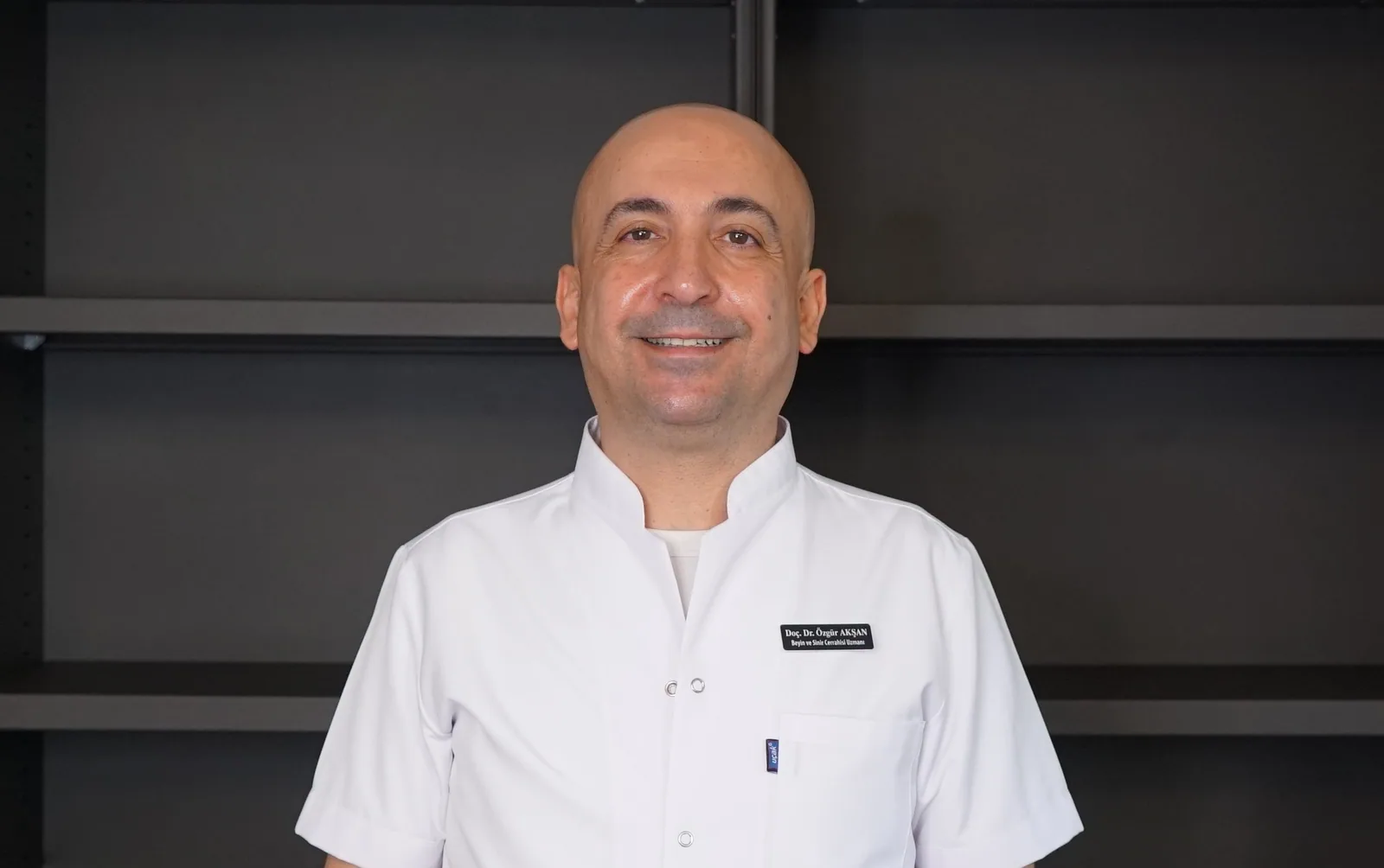
Doç. Dr. Özgür Akşan
Beyin ve Sinir Cerrahisi Uzmanı
Beyin ve Sinir · Sorumlu Yazı İşleri Müdürü ve Editör · Künye