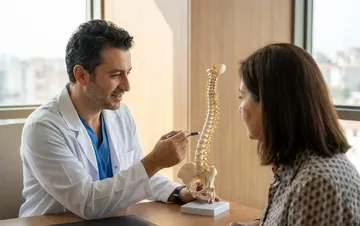
Question 16: What is the difference between neurosurgery and neurology?
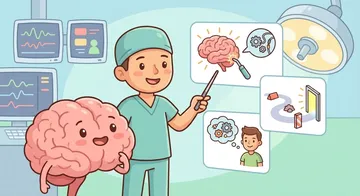
Neurology is a branch of internal medicine; it treats diseases of the brain and nervous system with medication and conservative methods. Neurosurgery (brain and nerve surgery), on the other hand, is a surgical discipline; it treats conditions that require surgery. The two complement each other: the neurologist makes the diagnosis and, if necessary, refers to neurosurgery. A multidisciplinary approach is essential in epilepsy, Parkinson's, tumours, and vascular pathologies.
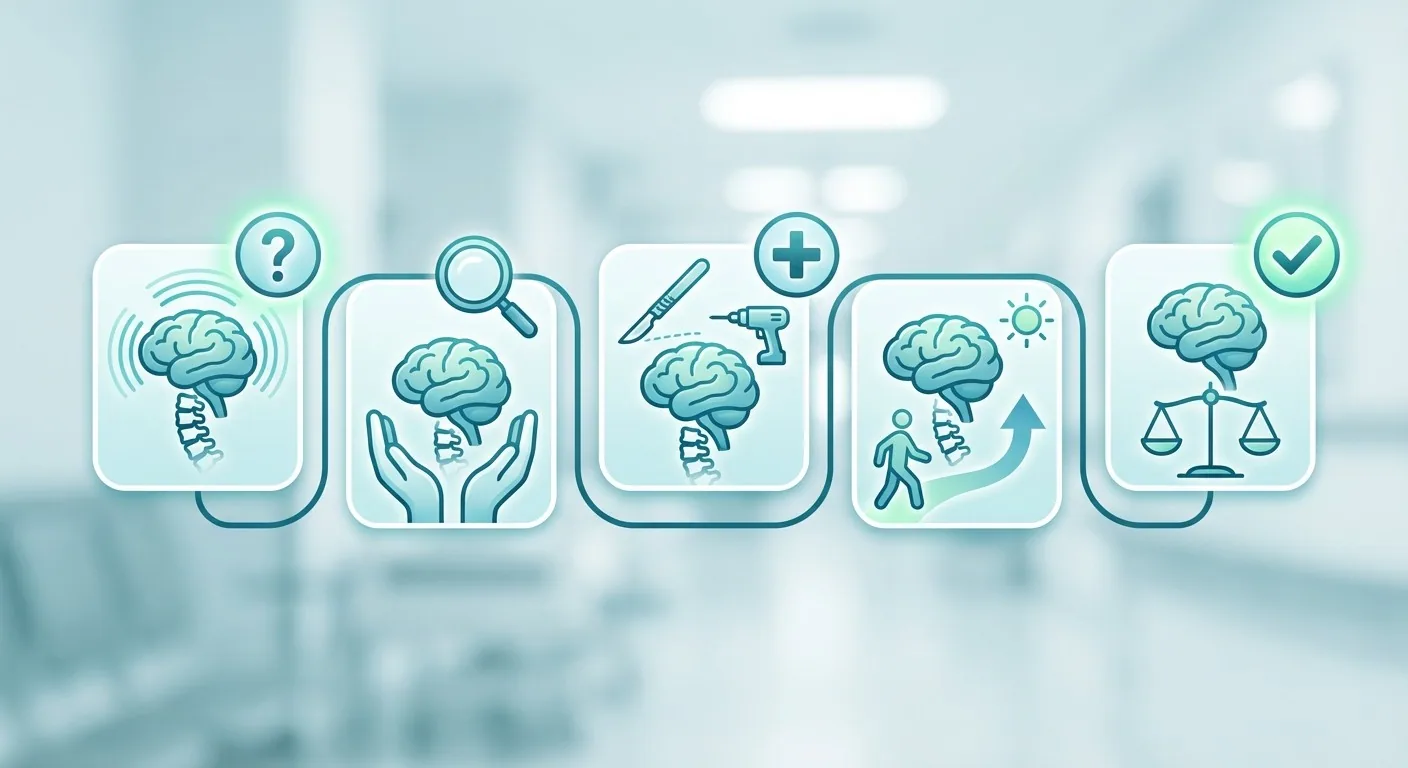
Question 17: What tests are done before surgery?
Additional tests: detailed MRI/CT, angiography in brain surgery; dynamic radiographs, EMG in spine surgery. If there is advanced age or comorbidity: echocardiography, pulmonary function test, cardiology/anaesthesia consultation. Blood thinners are adjusted according to the surgeon's instructions.
Question 18: Will I feel pain during surgery?
In surgeries under general anaesthesia, absolutely not — you will be completely asleep. In awake craniotomy: the scalp and dura are numbed with local anaesthesia, the brain tissue itself does not feel pain (it has no nociceptors). Minimal discomfort may be felt in minimally invasive procedures performed with local anaesthesia.
Question 19: How long will I stay in the hospital after surgery?
If complications develop, the duration may be extended. The discharge decision is made individually based on the clinical condition.
Question 20: How often are follow-up examinations done after surgery?
Patients with a shunt require lifelong follow-up.1
→ Next page: S61 — Artificial Intelligence Assistants: Atlas & Ayşe
Kaynaklar
- Hersh DS et al. J Neurosurg Pediatr. 2021. PMID 34020413
Doç. Dr. Özgür Akşan
Beyin ve Sinir Cerrahisi Uzmanı
Beyin ve Sinir · Sorumlu Yazı İşleri Müdürü ve Editör · Künye