Carpal tunnel syndrome (CTS) is the most common peripheral nerve entrapment neuropathy caused by the compression of the median nerve within the carpal tunnel in the wrist. The incidence of CTS in the general population is reported to be between 3.8% and 14.4%, and it is seen more frequently in women than in men.1,2

Anatomy
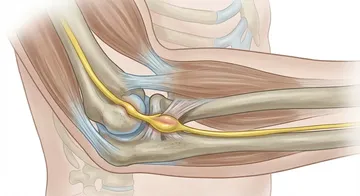
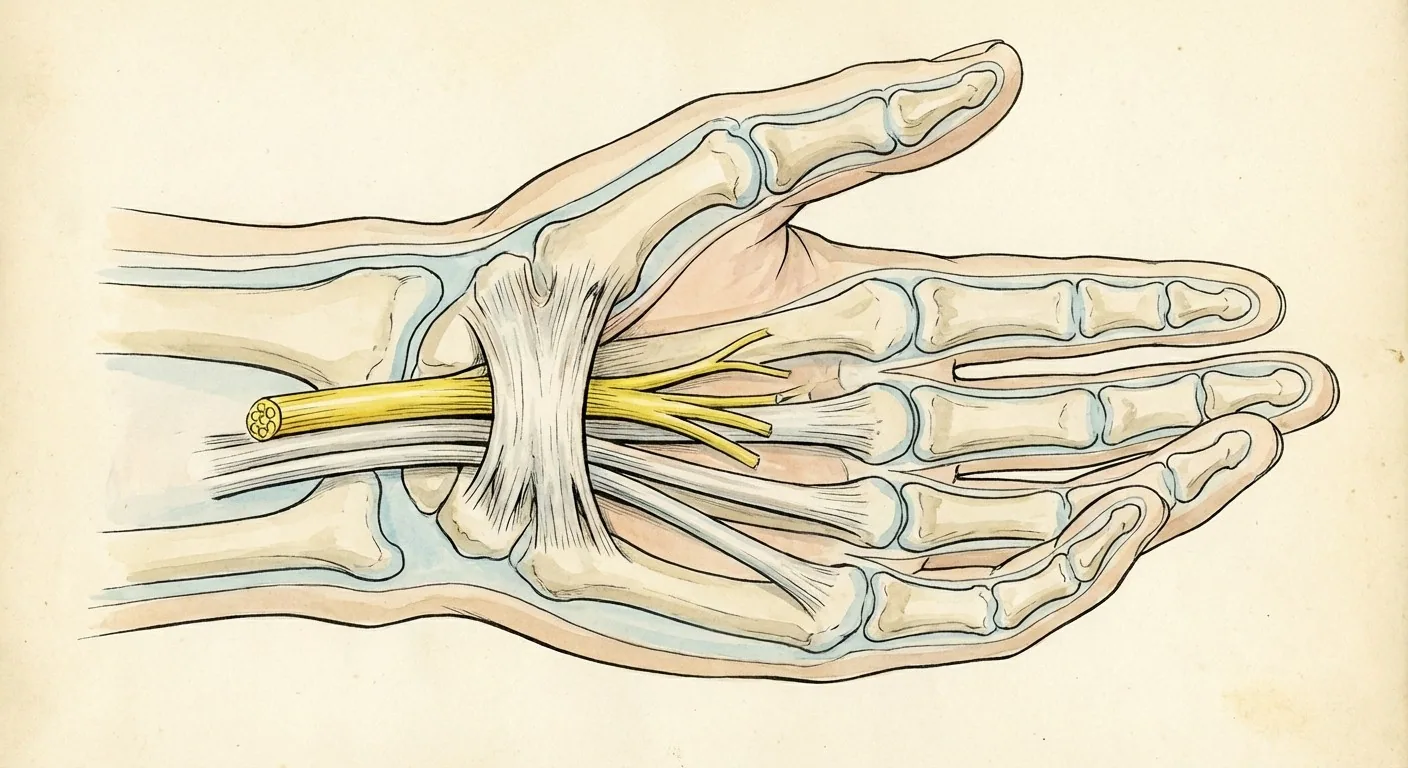
The carpal tunnel is a narrow canal on the palm side of the wrist made of bone and connective tissue. The median nerve and 9 flexor tendons pass through it. The transverse carpal ligament (flexor retinaculum), which covers the canal from above, is the structure where the compression occurs.
Symptoms
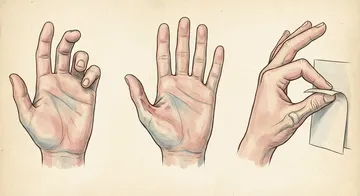
Early Stage: Numbness and tingling in the hand that become more pronounced at night and in the morning. It is especially felt in the thumb, index finger, middle finger, and the radial half of the ring finger. Shaking the hand (flick sign) provides relief.
Intermediate Stage: Numbness that continues during the day, difficulty with fine motor skills (buttoning a shirt, holding a pen), and pain that may radiate from the wrist to the elbow and shoulder.
Advanced Stage: Thenar muscle atrophy (wasting of the thumb muscle), a significant decrease in grip strength, and constant numbness. Surgery should not be delayed at this stage.
The incidence of CTS in the general population is reported to be between 3.8% and 14.4%, and it is seen more frequently in women than in men.
Diagnosis
Physical Examination:
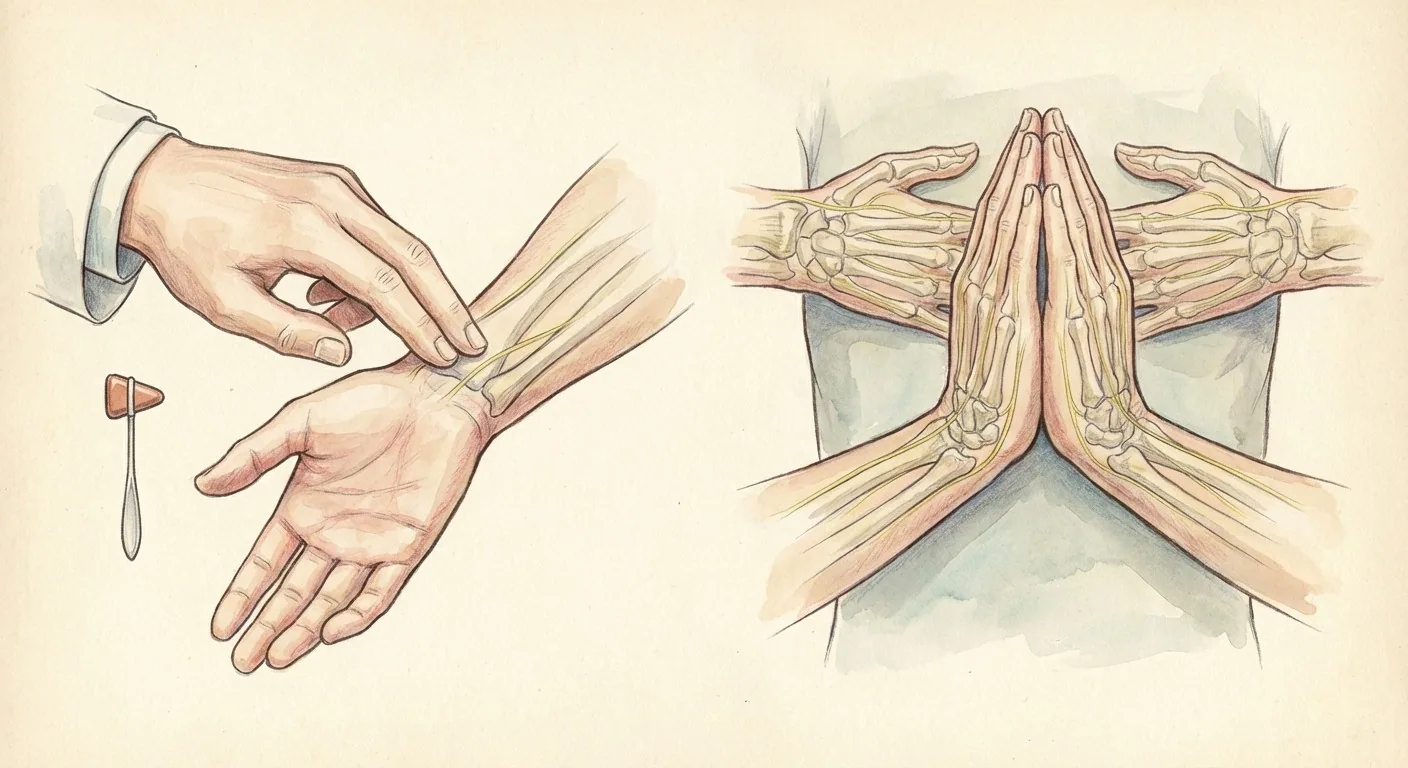
- Tinel's test: A tingling sensation in the fingertips upon lightly tapping the wrist
- Phalen's test: Numbness upon holding the wrists flexed for 60 seconds
- Durkan's test: Provocation of symptoms by applying pressure over the carpal tunnel
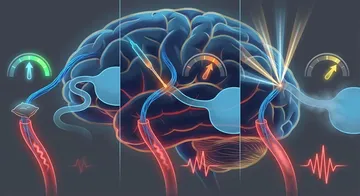
Although EMG and nerve conduction studies have an important place in the diagnosis of CTS, current literature states that there is no single gold standard method.3,4 A slowing in the median nerve conduction velocity and a prolongation in the distal motor latency are measured. It is graded as mild-moderate-severe.
Treatment
Conservative: Wrist splint (especially at night), NSAIDs, corticosteroid injection into the carpal tunnel, ergonomic adjustments.
Surgery: Indicated in the presence of moderate-to-severe involvement on EMG, unresponsiveness to conservative treatment, or thenar atrophy.5,6
→ Next page: S40 — Carpal Tunnel Surgery
Kaynaklar
- Gebrye T et al. Musculoskeletal Care. 2024. PMID 39672798
- Aboonq MS. Neurosciences (Riyadh). 2015. PMID 25630774
- Billakota S et al. Clin Neurophysiol Pract. 2017. PMID 30214994
- Kincaid JC. Handb Clin Neurol. 2019. PMID 31307601
- Wipperman J et al. Am Fam Physician. 2016. PMID 28075090
- Sandzén SC Jr. Am Fam Physician. 1981. PMID 6975030

Doç. Dr. Özgür Akşan
Beyin ve Sinir Cerrahisi Uzmanı
Beyin ve Sinir · Sorumlu Yazı İşleri Müdürü ve Editör · Künye