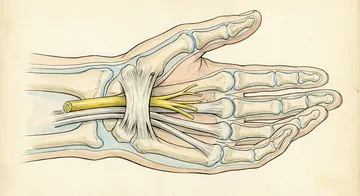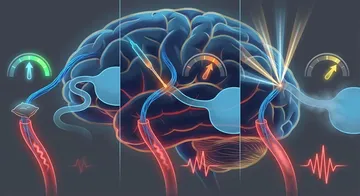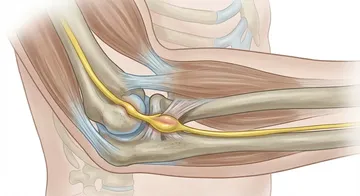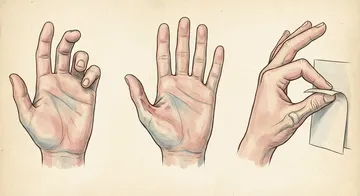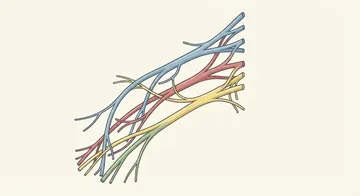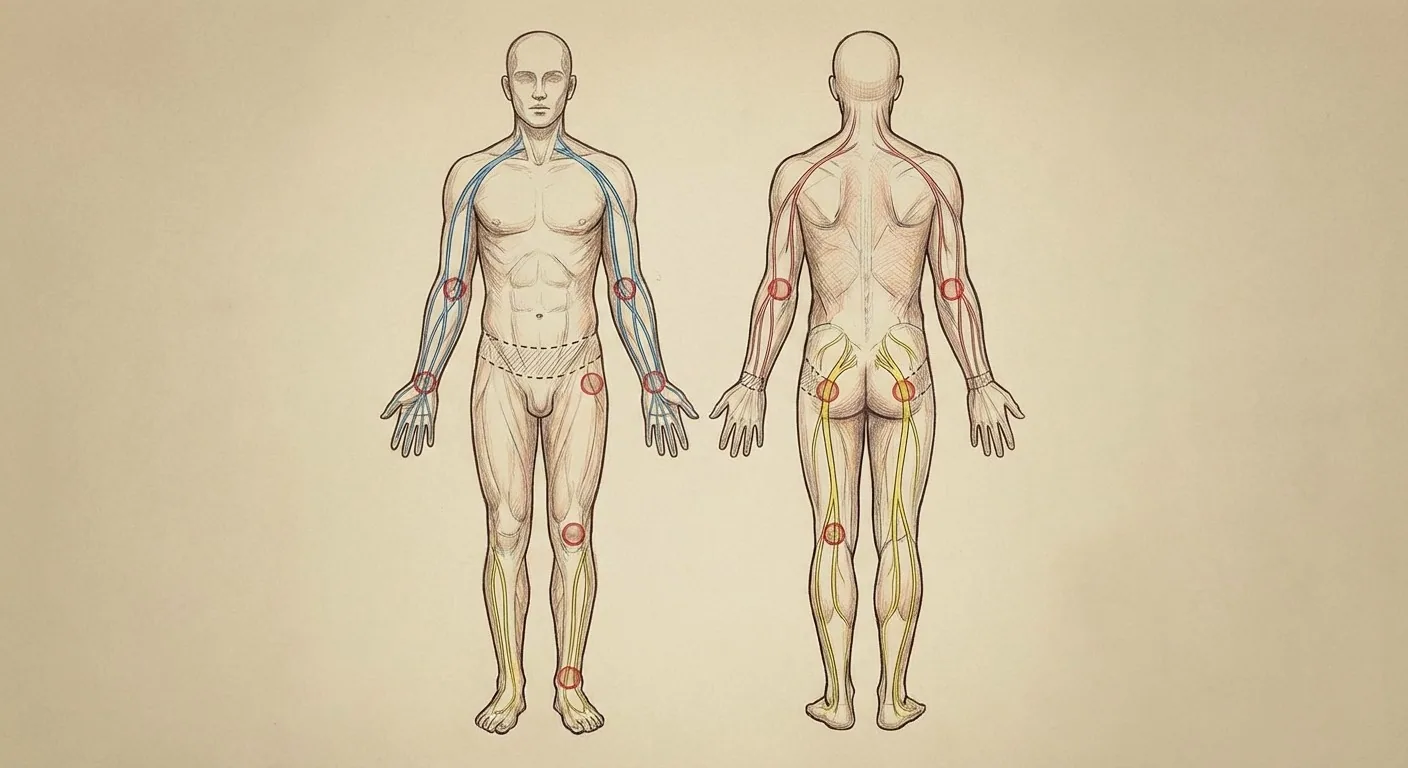
Neurapraxia (Sunderland Grade I): Nerve fibres are intact, there is only a conduction block. Full spontaneous recovery is expected (days-weeks). Example: "Saturday night palsy" (radial nerve compression from sleeping on an armchair).
Axonotmesis (Sunderland Grade II-III): Axons are damaged but the nerve sheath (perineurium) is intact (Grade II) or partially damaged (Grade III). Spontaneous recovery is possible but slow.1 Nerve regeneration progresses at a rate of approximately 1 mm per day.2 Surgery may be required in Grade III.
Neurotmesis (Sunderland Grade IV-V): The nerve is completely severed (Grade V) or surrounded by severe scar tissue (Grade IV). Surgical repair is mandatory.3
Diagnosis and Evaluation
Detailed neurological examination: motor strength (0-5 scale), sensory testing (touch, pinprick, two-point discrimination), reflexes. The optimal timing for EMG/nerve conduction studies depends on the clinical question; although traditionally recommended to be performed after 3-4 weeks, important information can also be obtained in the first week.4,5 Nerve continuity can be evaluated with ultrasound.
Surgical Techniques
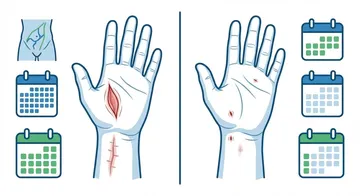
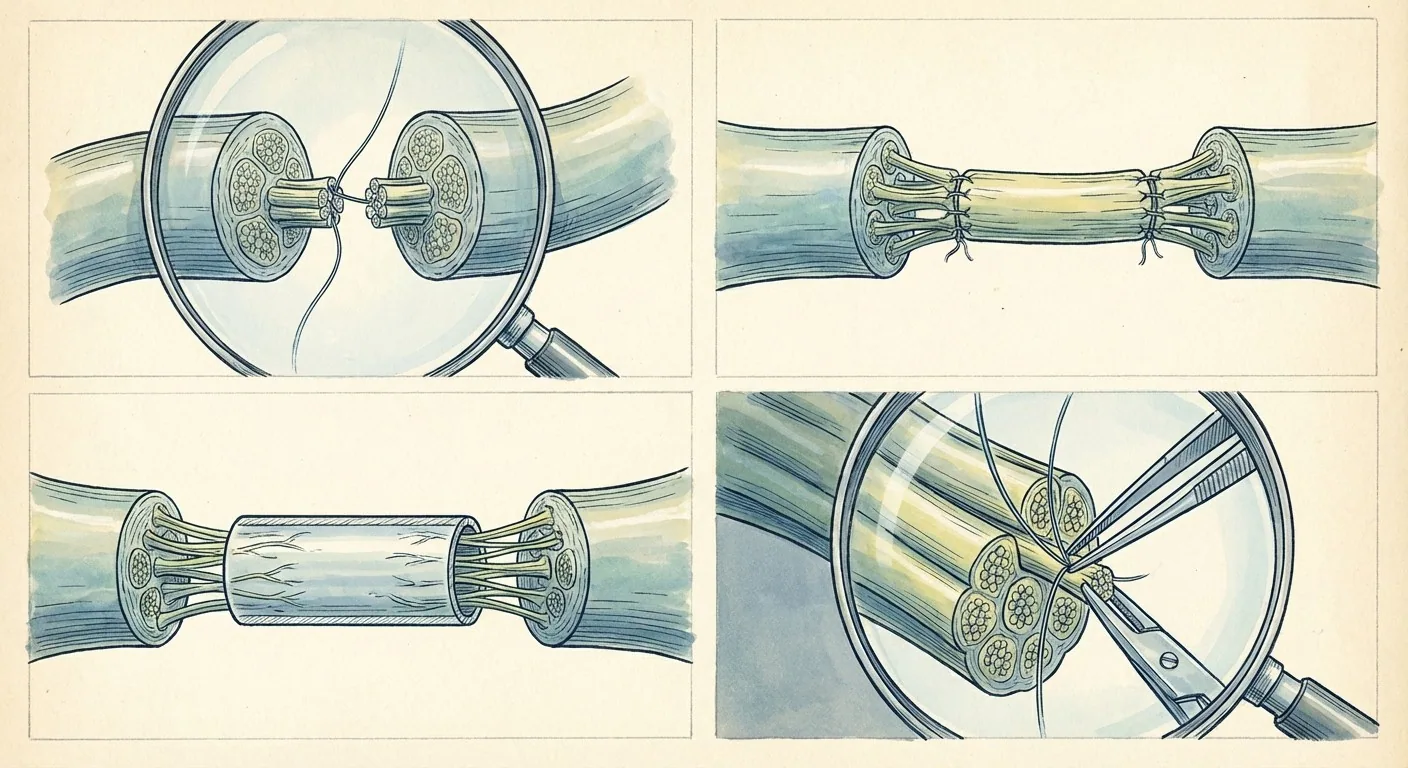
Primary Repair: In sharp cutting instrument injuries, the nerve ends are sutured directly (epineurial or fascicular repair). A tension-free end-to-end anastomosis is ideal.
The sural nerve (calf) is the most frequently used donor nerve.
Nerve Transfer: If the regeneration distance is too long, a non-functional nerve branch is redirected to the target muscle. E.g.: spinal accessory nerve → suprascapular nerve (for shoulder abduction).
Tube Repair: Bridging with a biological or synthetic nerve tube in small defects (< 3 cm).6
Tube Repair: Bridging with a biological or synthetic nerve tube in small defects (< 3 cm).
Timing
→ Next page: S46 — Brachial Plexus and TOS
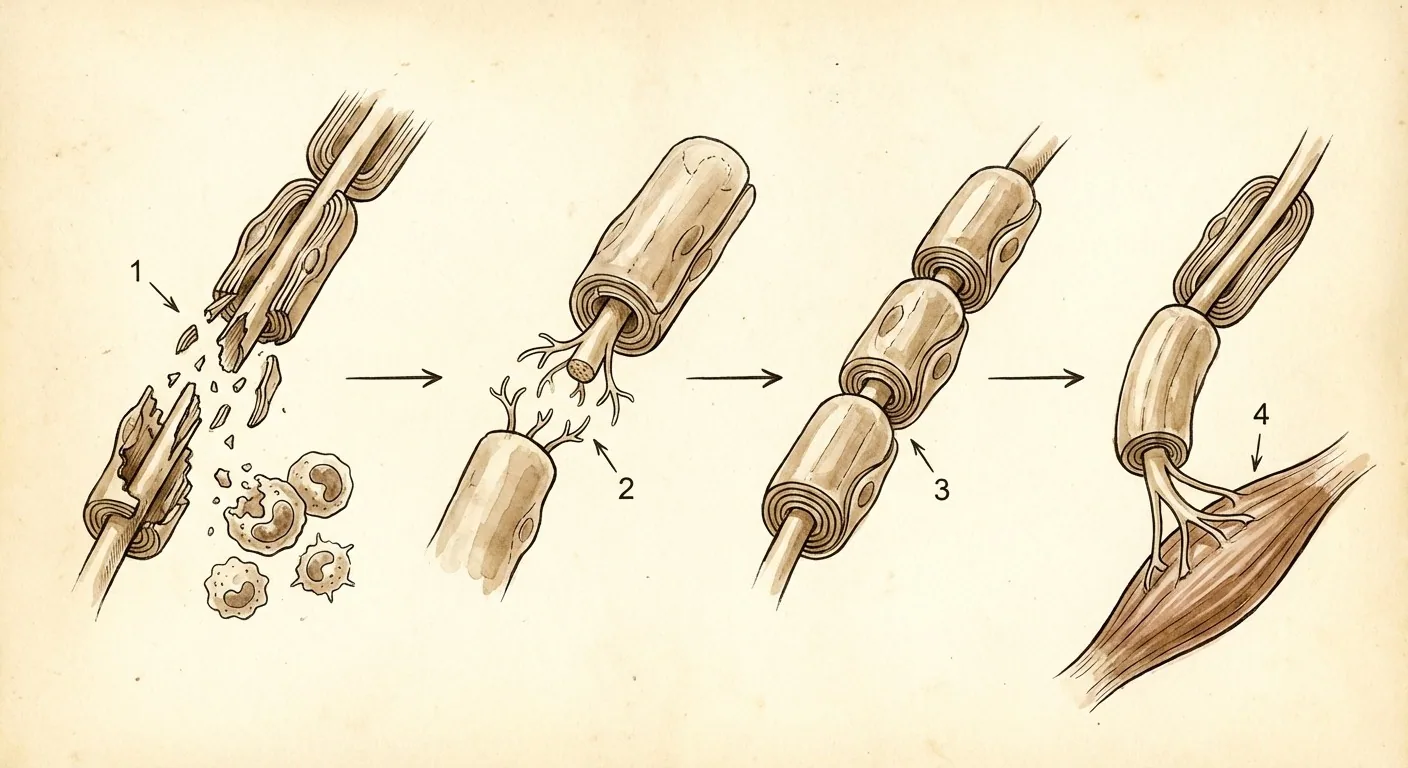
Spontaneous recovery is possible but slow; nerve regeneration progresses by approximately 1 mm per day.
Kaynaklar
- Kerns JM et al. Scand J Plast Reconstr Surg Hand Surg. 2003. PMID 14582750
- Bamba R et al. Neural Regen Res. 2016. PMID 27212898
- Cook H et al. J Plast Reconstr Aesthet Surg. 2024. PMID 38422921
- Willmott AD et al. Muscle Nerve. 2012. PMID 22907222
- Campbell WW. Clin Neurophysiol. 2008. PMID 18482862
- Qian T et al. Brain Behav. 2020. PMID 32129004
Doç. Dr. Özgür Akşan
Beyin ve Sinir Cerrahisi Uzmanı
Beyin ve Sinir · Sorumlu Yazı İşleri Müdürü ve Editör · Künye