Moderate to severe EMG findings, symptoms persisting despite 3-6 months of conservative treatment, thenar muscle atrophy, or progressive weakness. Acute carpal tunnel syndrome is among the conditions where early surgery should be preferred.1
Open Surgery
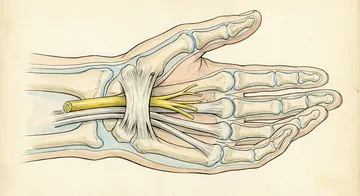
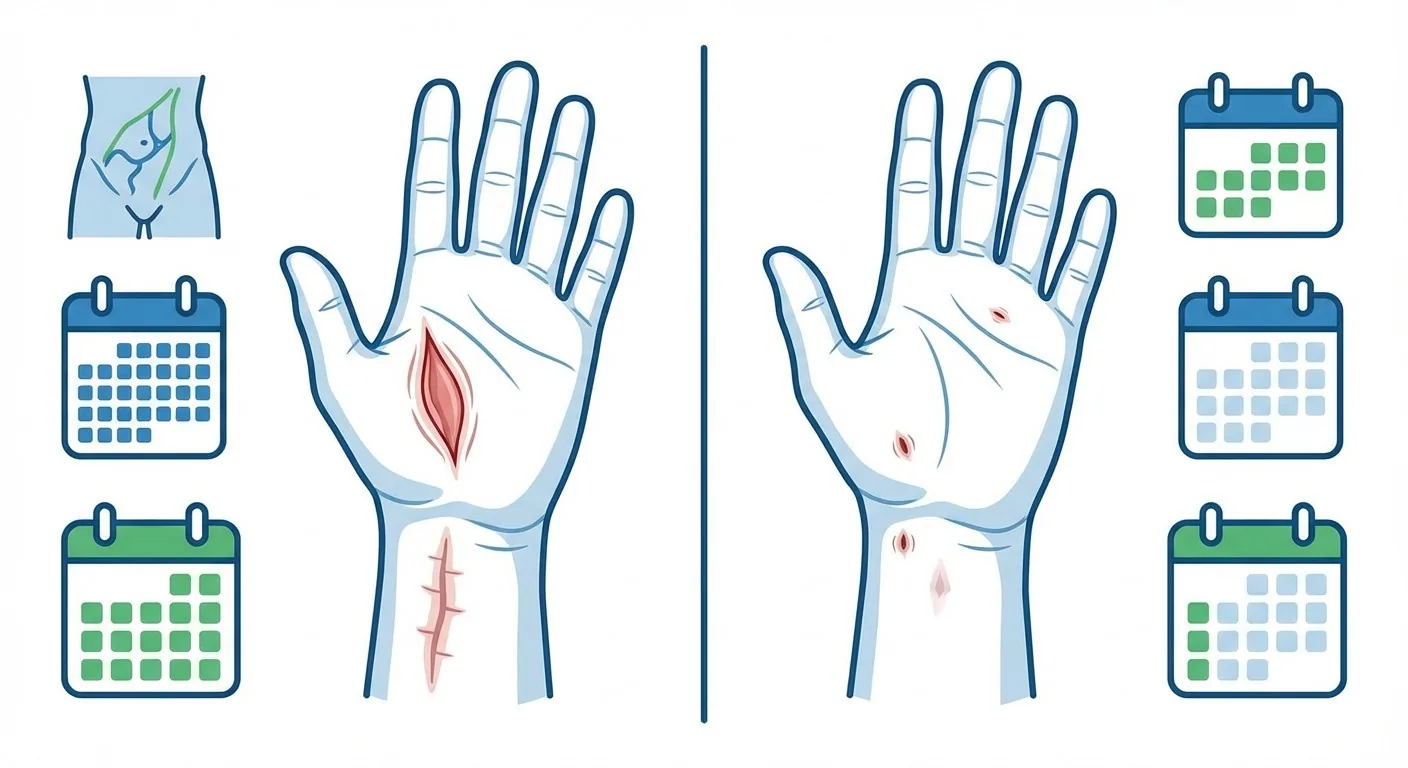
The transverse carpal ligament is cut through a 3-4 cm incision from the wrist toward the palm. Nerve decompression is achieved under direct vision. Advantages: easy to learn, low complication rate, requires no special equipment.
Endoscopic Surgery
The ligament is cut with the help of an endoscope through a small 1-2 cm incision. A single-portal (Agee) or two-portal (Chow) technique can be performed. Advantages: smaller incision, less wound pain, faster return to work (on average 1 week earlier).2,3 Disadvantages: learning curve, risk of nerve injury (minimal in experienced hands).
Advantages: smaller incision, less wound pain, faster return to work (on average 1 week earlier).
After Surgery
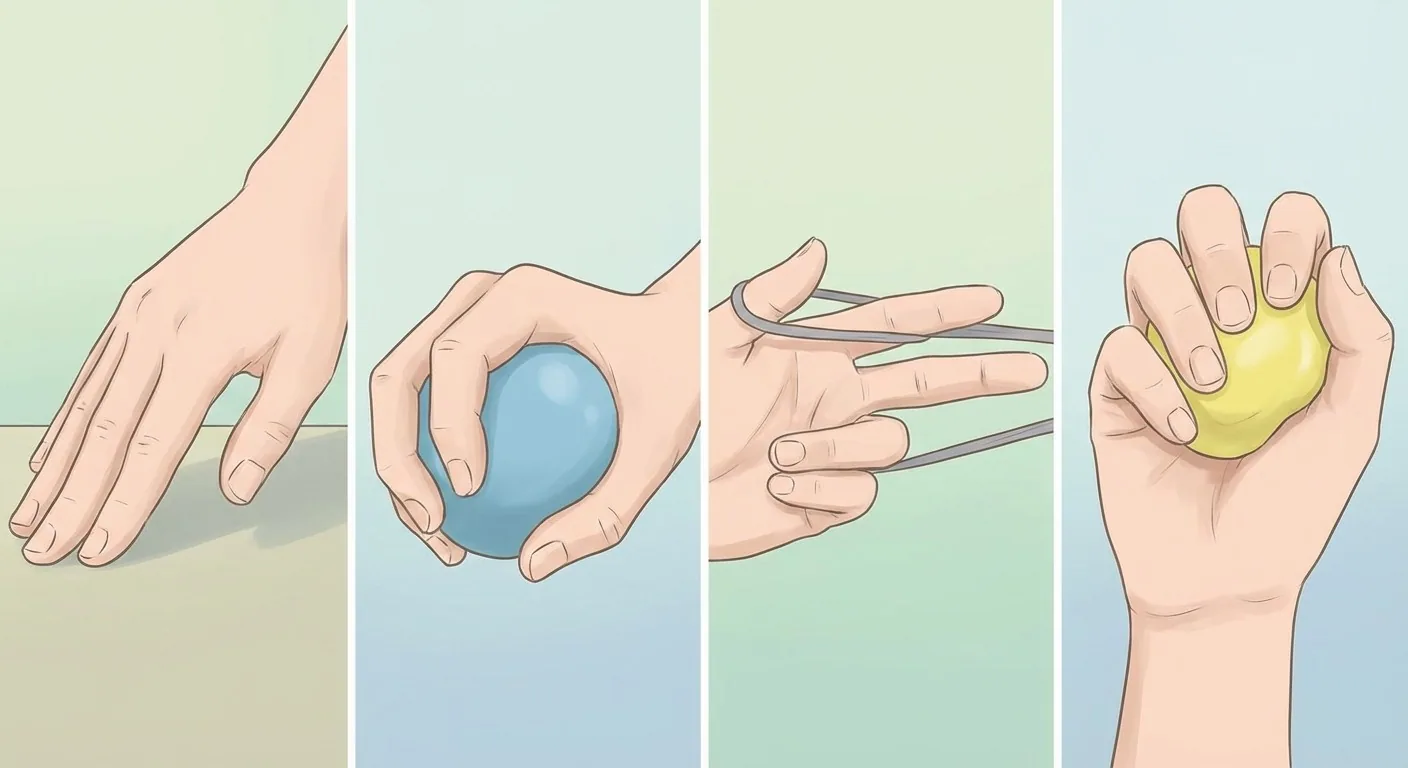
First 48 hours: Wound care, hand elevation, free finger movements. 7-10 days: Sutures are removed. 2-4 weeks: Light activities begin. 6-12 weeks: Full grip strength returns. Numbness usually improves immediately or within a few days, but in advanced cases, full recovery may take months.
Complications
Carpal tunnel surgery is an effective operation, but it is not without complications. Temporary nerve irritation is seen more frequently in the endoscopic technique, while wound problems such as scar tenderness are more common in the open technique. Pain in the palm (pillar pain), infection, and persistence of symptoms are other possible problems.4,5
→ Next page: S41 — Trigeminal Neuralgia
Kaynaklar
- Samuel TD et al. Plast Reconstr Surg Glob Open. 2023. PMID 37035123
- Li Y et al. BMC Musculoskelet Disord. 2020. PMID 32340621
- Saw NL et al. J Hand Surg Br. 2003. PMID 12954254
- Sprangers PN et al. J Hand Surg Eur Vol. 2024. PMID 38315129
- Faucher GK et al. J Surg Orthop Adv. 2017. PMID 28459419
- Hacquebord JH et al. J Am Acad Orthop Surg. 2022. PMID 35255490
- Đilvesi Đ et al. NeuroSci. 2026. PMID 41562834
- Sayegh ET et al. Clin Orthop Relat Res. 2015. PMID 25135849
- De Kleermaeker FGCM et al. Neurol Sci. 2019. PMID 31041610
Doç. Dr. Özgür Akşan
Beyin ve Sinir Cerrahisi Uzmanı
Beyin ve Sinir · Sorumlu Yazı İşleri Müdürü ve Editör · Künye