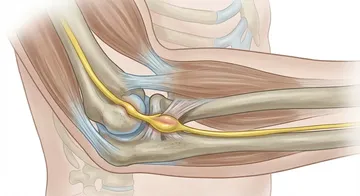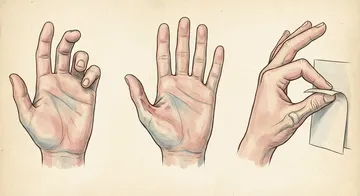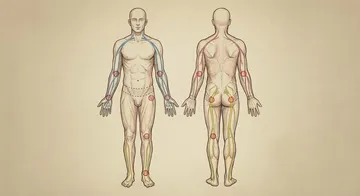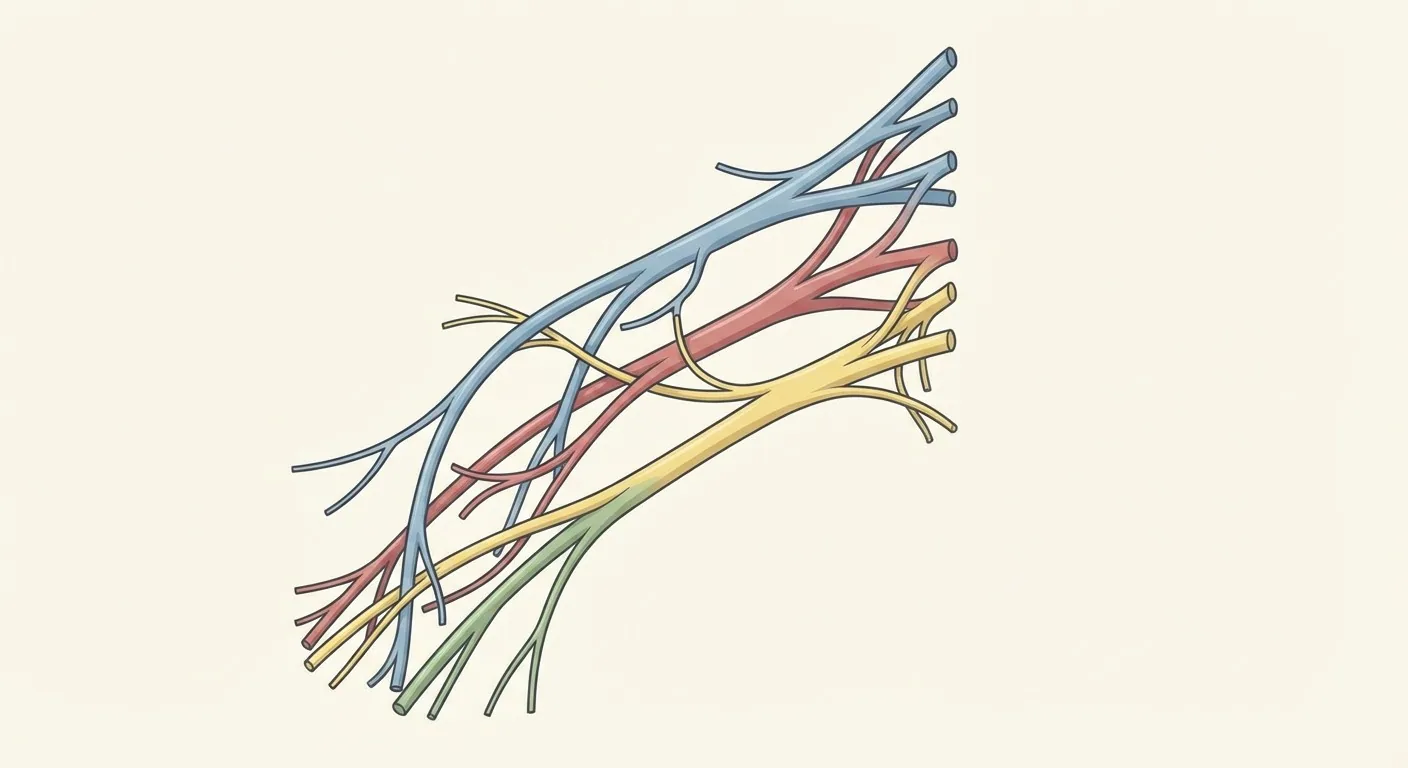
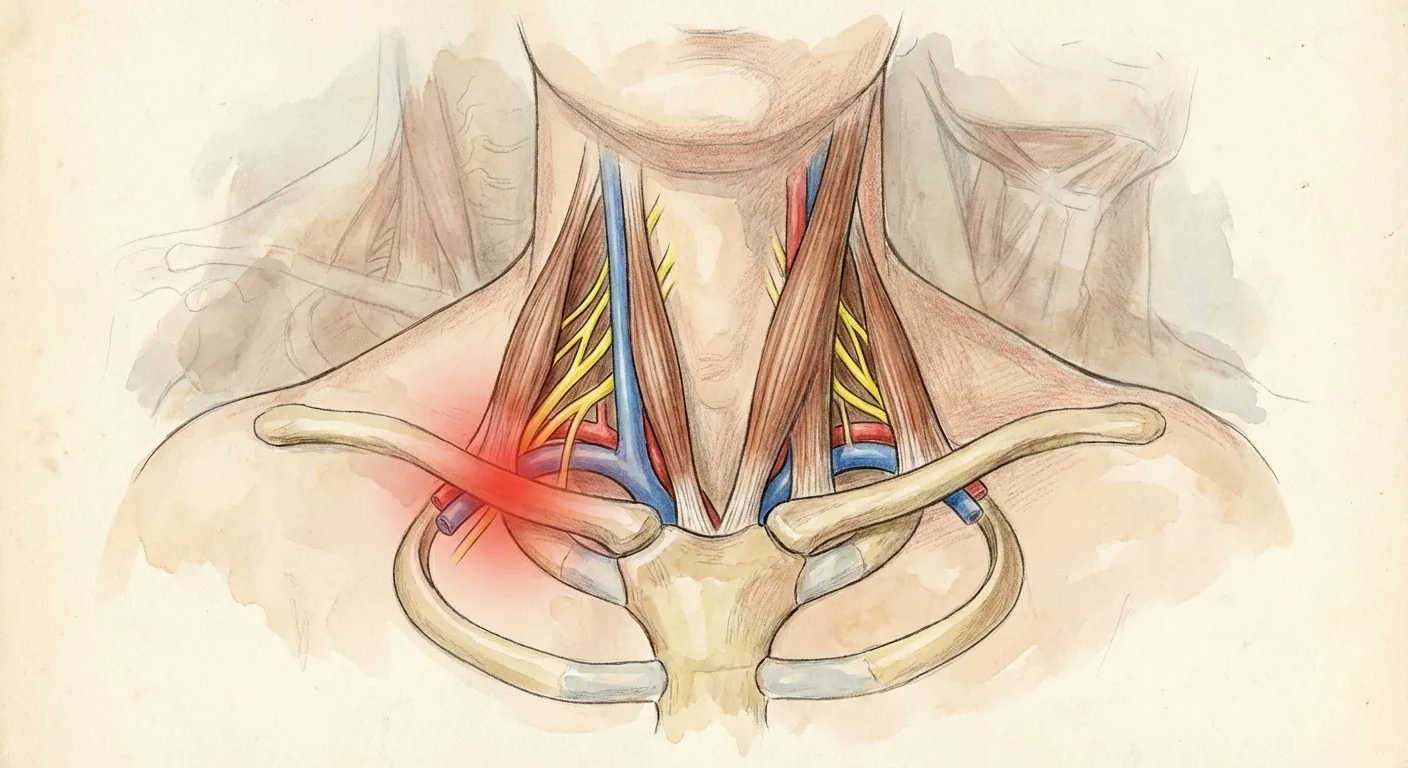
Anatomy
The brachial plexus consists of the C5-T1 nerve roots; it emerges from the neck and extends to the armpit, providing innervation to the entire upper extremity.
Injury Types
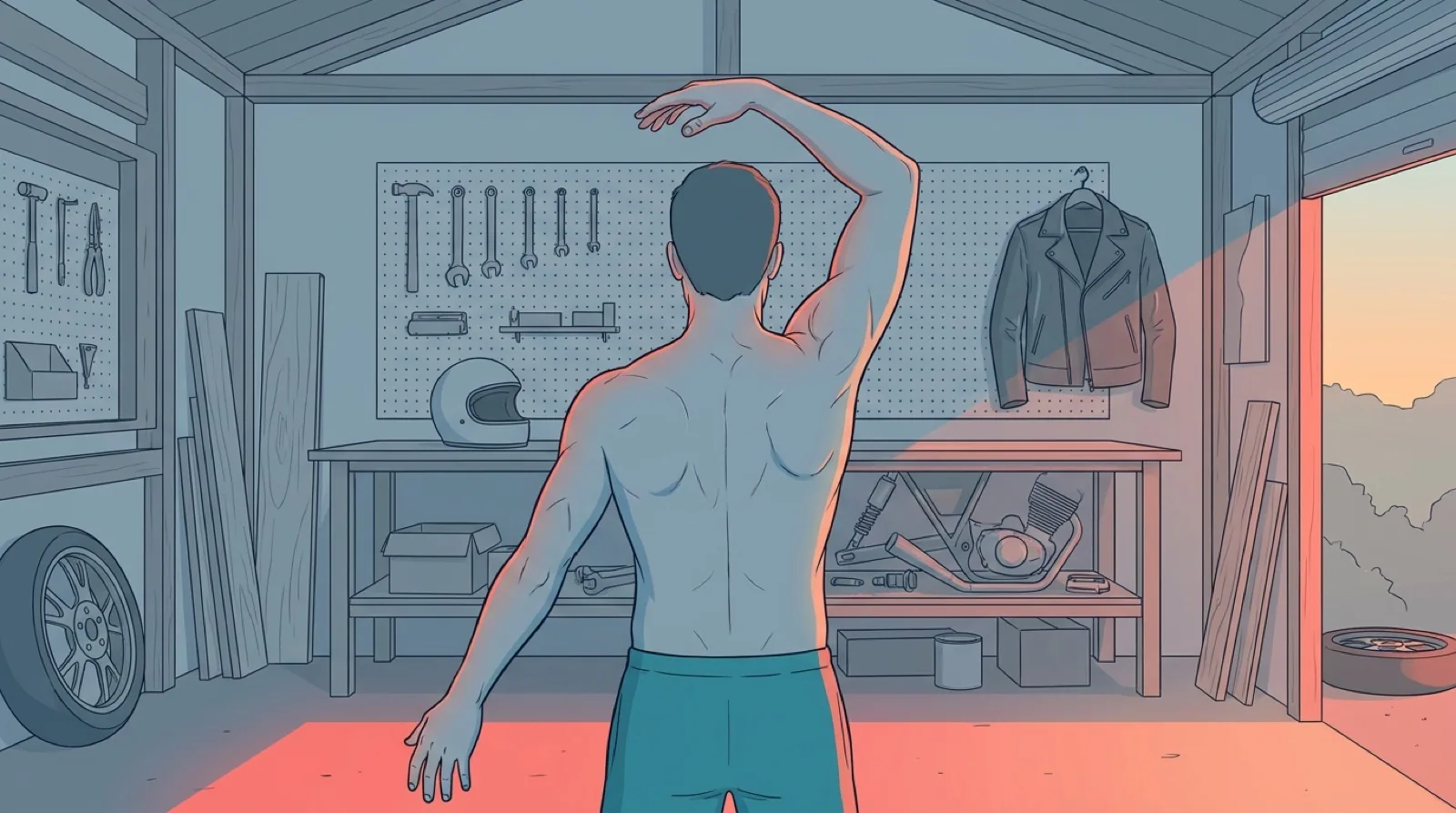
Supraclavicular (upper type — Erb-Duchenne): C5-C6 involvement. Loss of shoulder abduction and external rotation, weakness in elbow flexion. Most commonly seen in motorcycle accidents.1,2
Infraclavicular (lower type — Klumpke): C8-T1 involvement. Weakness in the intrinsic muscles of the hand, may be accompanied by Horner syndrome.
Total plexus injury: Loss of all arm functions. Root avulsion (preganglionic) has the worst prognosis.3,4
Treatment
If there is no improvement, surgical exploration + nerve graft/transfer. In avulsion: nerve transfers (e.g., intercostal nerves → musculocutaneous nerve). In the late stage: tendon transfers, arthrodesis.
Thoracic Outlet Syndrome (TOS)
What is it?
It is a symptom complex that develops as a result of compression on the brachial plexus and/or subclavian vessels in the narrow passage between the neck and the armpit (thoracic outlet).
Types
Neurogenic TOS (95%): Nerve compression, pain in the arm, numbness, weakness.5 Generally seen in young women and people with long necks. Common after whiplash.
Venous TOS (3%): Subclavian vein thrombosis (Paget-Schroetter syndrome). Swelling and bruising in the arm.
Arterial TOS (2%): Subclavian artery compression. Coldness in the arm, loss of pulse, risk of embolisation.
Treatment
In neurogenic TOS, primarily physical therapy (posture correction, shoulder strengthening, scalene stretching).
→ Next page: S47 — Normal Pressure Hydrocephalus
Kaynaklar
- Kaiser R et al. Neurosurg Rev. 2020. PMID 30014280
- Soldado F et al. Hand Surg Rehabil. 2016. PMID 27117025
- Chuang DC. Semin Plast Surg. 2010. PMID 21286305
- Songcharoen P et al. J Hand Surg Am. 2001. PMID 11721251
- Masocatto NO et al. Rev Col Bras Cir. 2019. PMID 31859722
- de Azevedo FAS et al. Acta Ortop Bras. 2019. PMID 31798318
Doç. Dr. Özgür Akşan
Beyin ve Sinir Cerrahisi Uzmanı
Beyin ve Sinir · Sorumlu Yazı İşleri Müdürü ve Editör · Künye