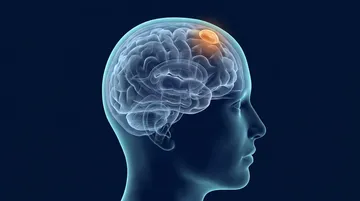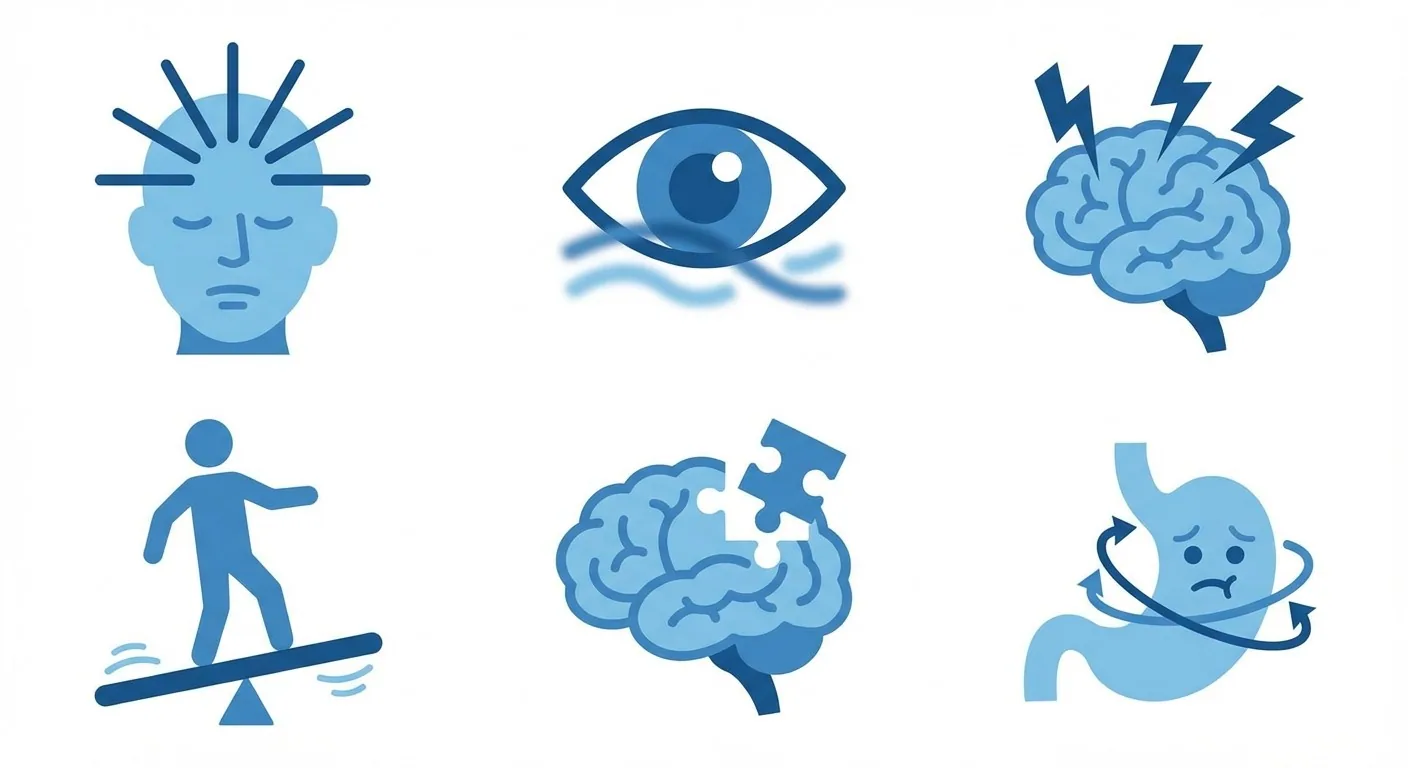
A brain tumour is the general name for masses formed by abnormal cell proliferation inside the skull. Not every brain tumour is cancer; however, even benign ones can cause serious symptoms depending on their location. To understand brain tumours, it is first necessary to know the basic concepts.
Primary and Secondary Tumours
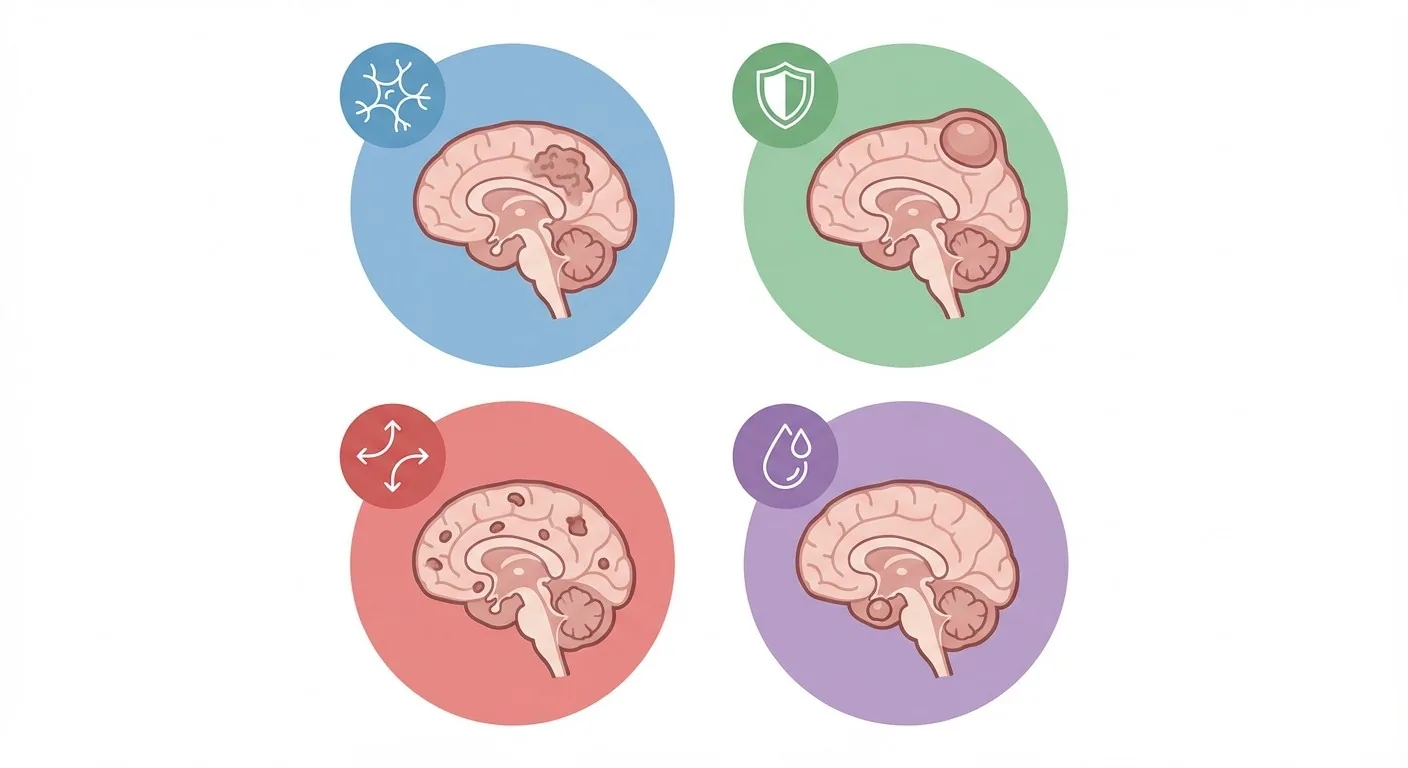
Brain tumours are divided into two main groups according to their origin. Primary tumours originate directly from brain tissue or the meninges. Gliomas developing from glial cells, meningiomas developing from the meninges, and schwannomas developing from the nerve sheath are the most common members of this group. Secondary tumours, on the other hand, occur when cancer in another organ spreads to the brain; these are called brain metastases.
WHO Classification
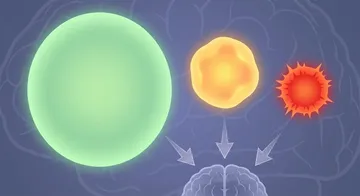
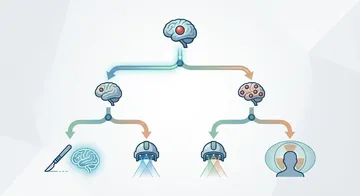
The World Health Organization (WHO) grades brain tumours from 1 to 4. Grade 1 and 2 are low-grade tumours; they grow slowly and generally have a good prognosis. Grade 3 and 4 are high-grade tumours; they grow rapidly and require aggressive treatment. This classification directly determines the treatment plan.
Meningiomas are the most common benign brain tumours; they account for 35-40 percent of primary brain tumours.1,2
Most Common Brain Tumours
Astrocytoma, oligodendroglioma, and glioblastoma (GBM) are members of this family. GBM is the most aggressive one and represents approximately 15 percent of all primary brain tumours.3,4
Meningiomas are the most common benign brain tumours; they account for 35-40 percent of primary brain tumours. They are seen twice as often in women as in men.5,6 Most grow slowly and may not cause symptoms for a long time.
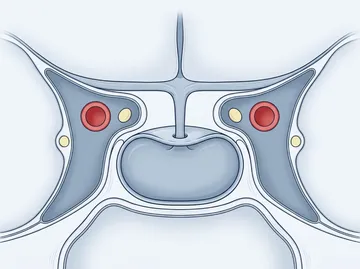
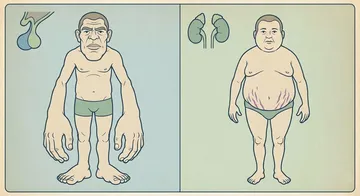
The clinical picture varies greatly depending on whether they secrete hormones or not.
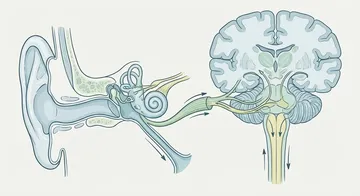
Acoustic neuromas (vestibular schwannomas) originate from the auditory nerve and manifest with unilateral hearing loss.
Metastatic tumours are the most common type of brain tumour and most frequently originate from the lung, breast, and melanoma.7,8
The Importance of Tumour Location
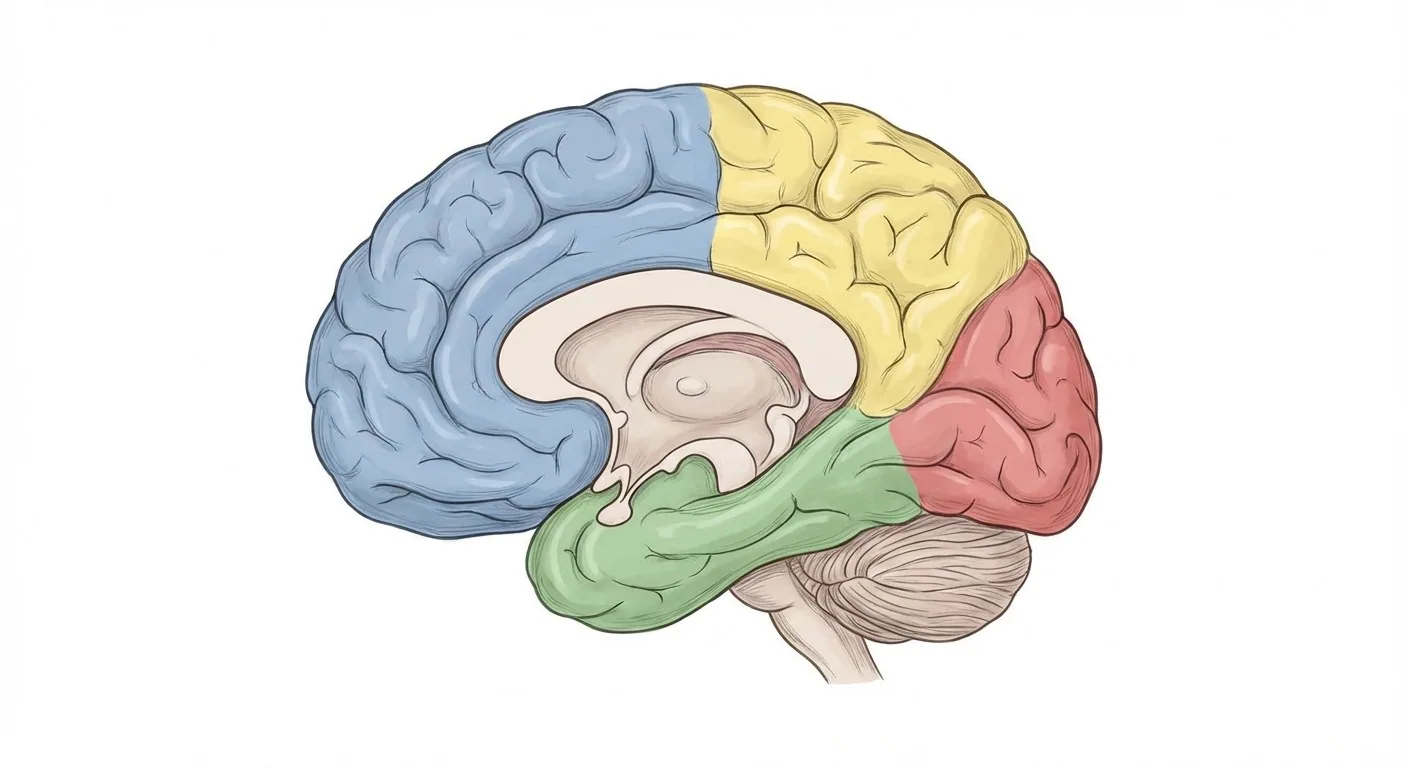
The region where a brain tumour is located directly affects its symptoms and the treatment approach. Frontal lobe tumours can cause personality and behavioural changes, temporal lobe tumours can cause memory and speech problems, parietal lobe tumours can cause sensory loss, and occipital lobe tumours can cause visual field defects. Cerebellar tumours can present with balance and coordination disorders, while brain stem tumours can present with double vision, difficulty swallowing, and respiratory problems.
→ Next page: S06 — Brain Tumour Symptoms and Early Diagnosis
Kaynaklar
- Chebil C et al. Neuroepidemiology. 2021. PMID 34794152
- Dho YS et al. Brain Tumor Res Treat. 2017. PMID 28516074
- Price M et al. Neuro Oncol. 2024. PMID 39371035
- Ostrom QT et al. Neuro Oncol. 2023. PMID 37793125
- Telugu RB et al. J Cancer Res Ther. 2020. PMID 33342817
- Khazanchi R et al. J Neurosurg. 2024. PMID 38241687
- Lu Y et al. Mol Biomed. 2025. PMID 39998776
- Nayak L et al. Curr Oncol Rep. 2012. PMID 22012633

Doç. Dr. Özgür Akşan
Beyin ve Sinir Cerrahisi Uzmanı
Beyin ve Sinir · Sorumlu Yazı İşleri Müdürü ve Editör · Künye