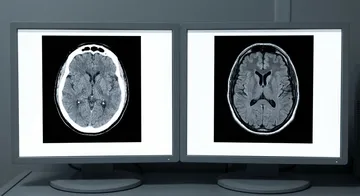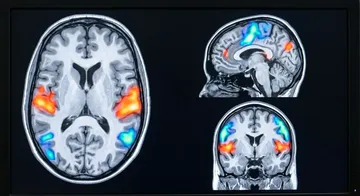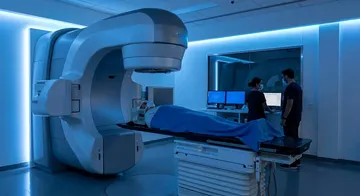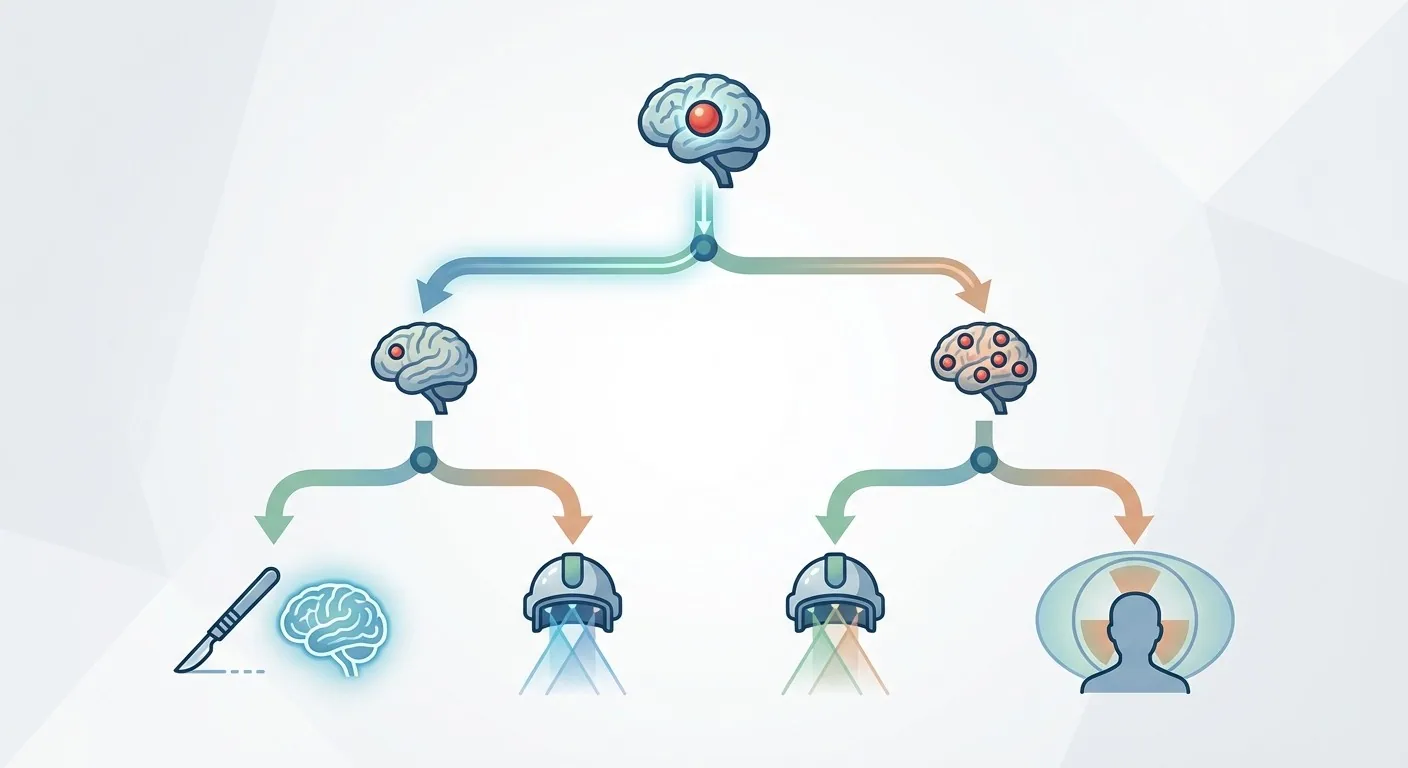
The treatment decision in brain metastases is made by evaluating many factors together. Standardised algorithms help clinicians determine the most appropriate treatment path.
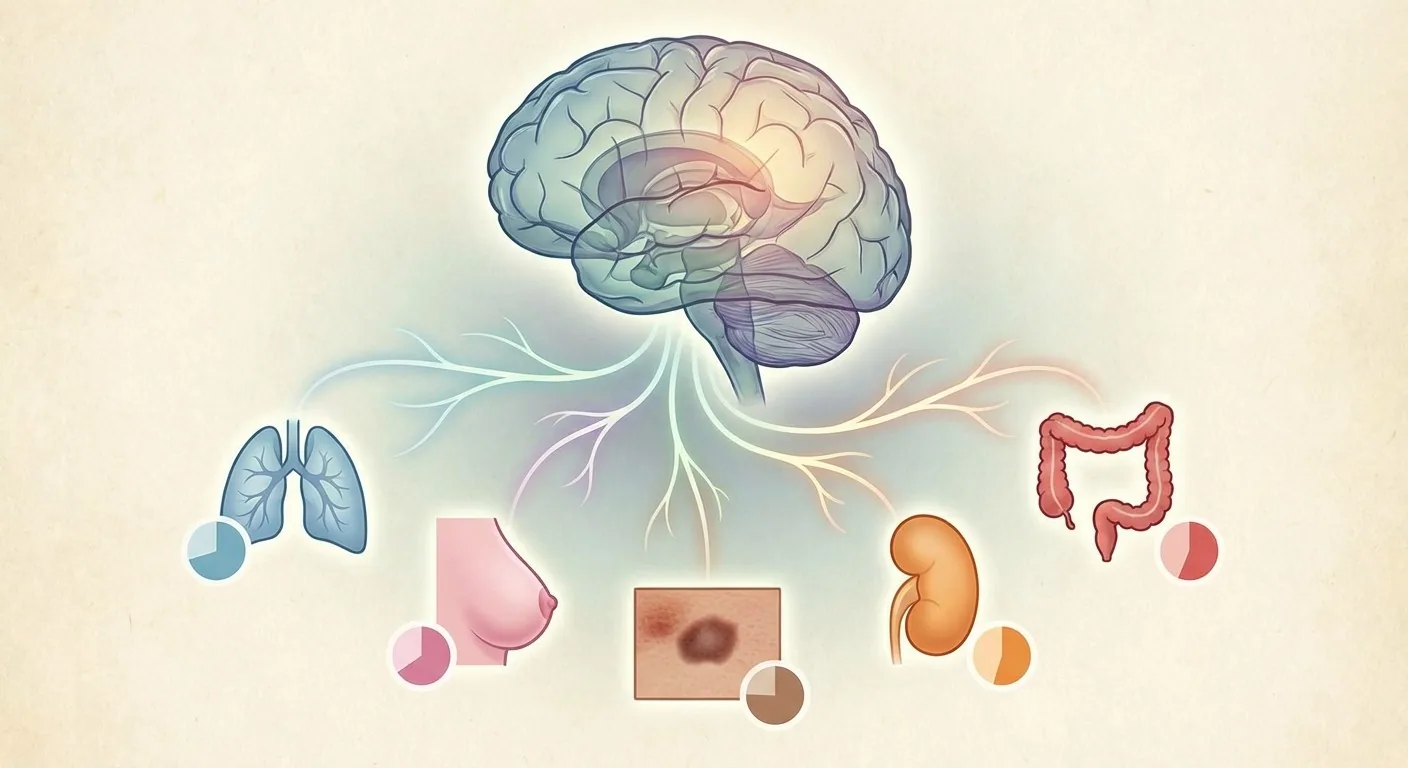
Decision Points
The following questions are answered in the initial evaluation: How many metastases are there? What is the size of the largest metastasis? Are the locations surgically accessible? Is the primary cancer under control? What is the patient's general performance status (Karnofsky score)? Are systemic treatment options available?
Single Metastasis
For a single and surgically accessible metastasis, especially if the tumour is large and causing a mass effect, surgical removal is a reasonable option. If surgery is not suitable or the lesion is small, stereotactic radiosurgery can be applied alone.1
With advances in Gamma Knife technology, stereotactic radiosurgery can now also be applied in selected patients with more than 10 metastases.2,3
Limited Number of Metastases (2-4)
If each is under 3 cm, they can be treated in a single session with Gamma Knife. If one is large and symptomatic, a combination of surgery for that lesion and Gamma Knife for the others can be applied.
Multiple Metastases (5-15)
With advances in Gamma Knife technology, stereotactic radiosurgery can now also be applied in selected patients with more than 10 metastases. However, the total tumour volume and the size of the lesions are important limiting factors.
Widespread Metastases (over 15 or leptomeningeal)
Whole brain radiotherapy (WBRT) or hippocampal-sparing WBRT is indicated. Depending on the response to systemic treatment, salvage radiosurgery may be planned later.
Prognostic Scoring
Scoring systems such as GPA (Graded Prognostic Assessment) and RPA (Recursive Partitioning Analysis) help estimate the patient's expected survival and adjust the aggressiveness of the treatment accordingly.4,5 Age, Karnofsky score, extracranial disease status, and the number of metastases are the main components of these scorings.
Multidisciplinary Approach
Brain metastasis treatment is a multidisciplinary process where a neurosurgeon, radiation oncologist, medical oncologist, and neuroradiologist make decisions together. Each patient's treatment plan should be discussed in a tumour board, taking individual factors into consideration.
→ Next page: S16 — Pituitary Adenoma
Kaynaklar
- Vogelbaum MA et al. J Clin Oncol. 2022. PMID 34932393
- Yamamoto M et al. Prog Neurol Surg. 2019. PMID 31096244
- Kida Y et al. Cureus. 2020. PMID 32133254
- Geng X et al. Front Oncol. 2023. PMID 38264750
- Kim BH et al. Int J Clin Oncol. 2018. PMID 30074104
- Pin Y et al. Crit Rev Oncol Hematol. 2020. PMID 32199131
- Saberian C et al. Neurooncol Adv. 2021. PMID 34859235

Doç. Dr. Özgür Akşan
Beyin ve Sinir Cerrahisi Uzmanı
Beyin ve Sinir · Sorumlu Yazı İşleri Müdürü ve Editör · Künye