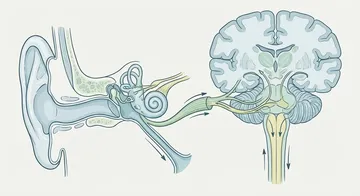
The symptoms of brain tumours vary greatly depending on the size, growth rate, and location of the tumour. While some tumours remain silent for years, others can present with severe symptoms within a few weeks. Knowing these warning signs is vital for early diagnosis.
General Symptoms
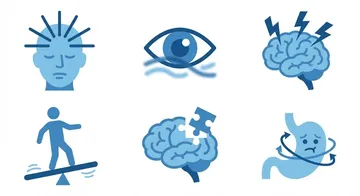
The most common symptom of brain tumours is headache; however, not every headache means a tumour.1 Although tumour-related headaches are thought to have classic features such as worsening in the mornings and exacerbating with coughing or straining, current studies show that this presentation is rare.2
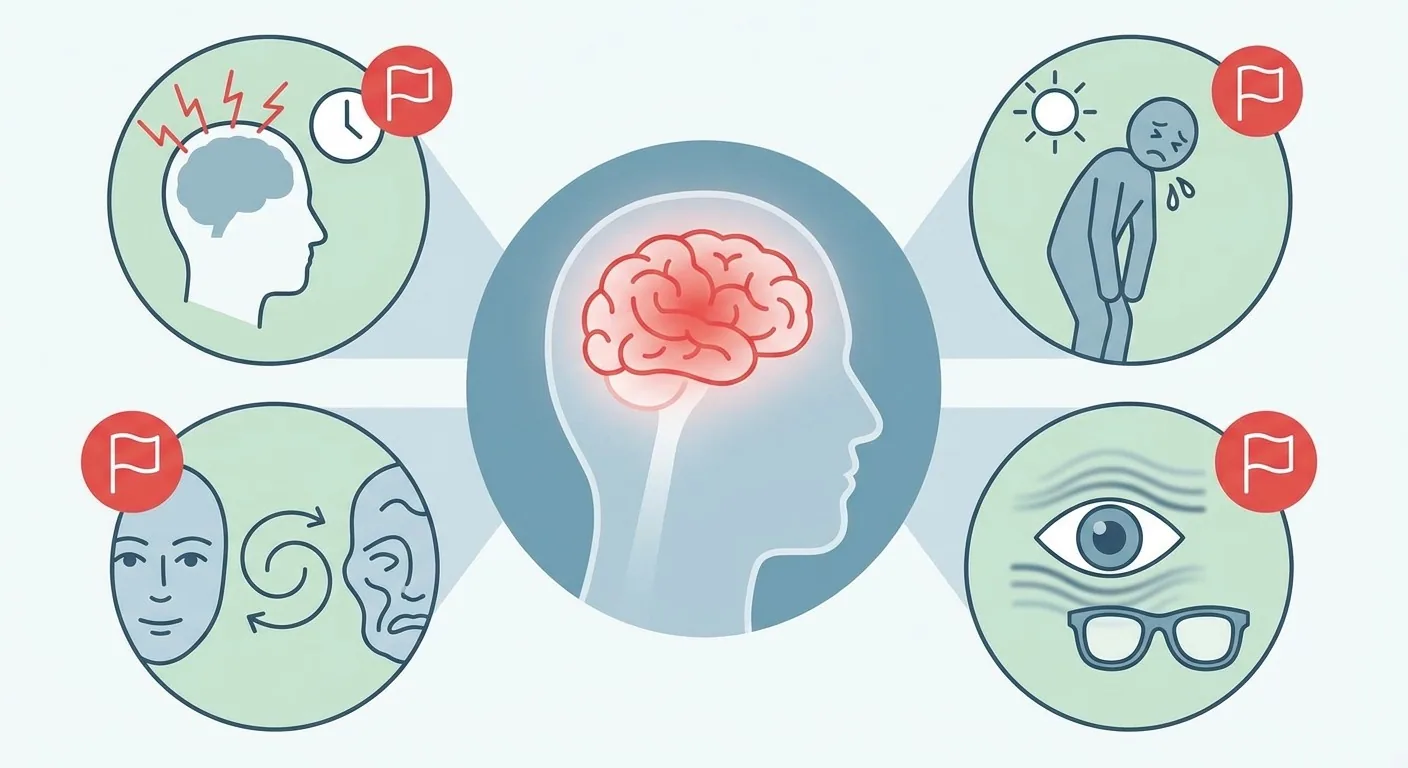
Nausea and vomiting may occur due to increased intracranial pressure; morning vomiting, in particular, is an important warning sign. Blurred vision or double vision occurs when increased intracranial pressure affects the optic nerve.
Focal Symptoms
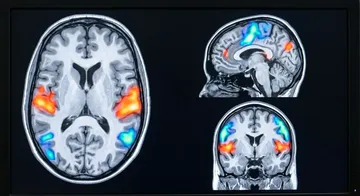
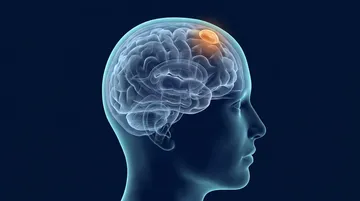
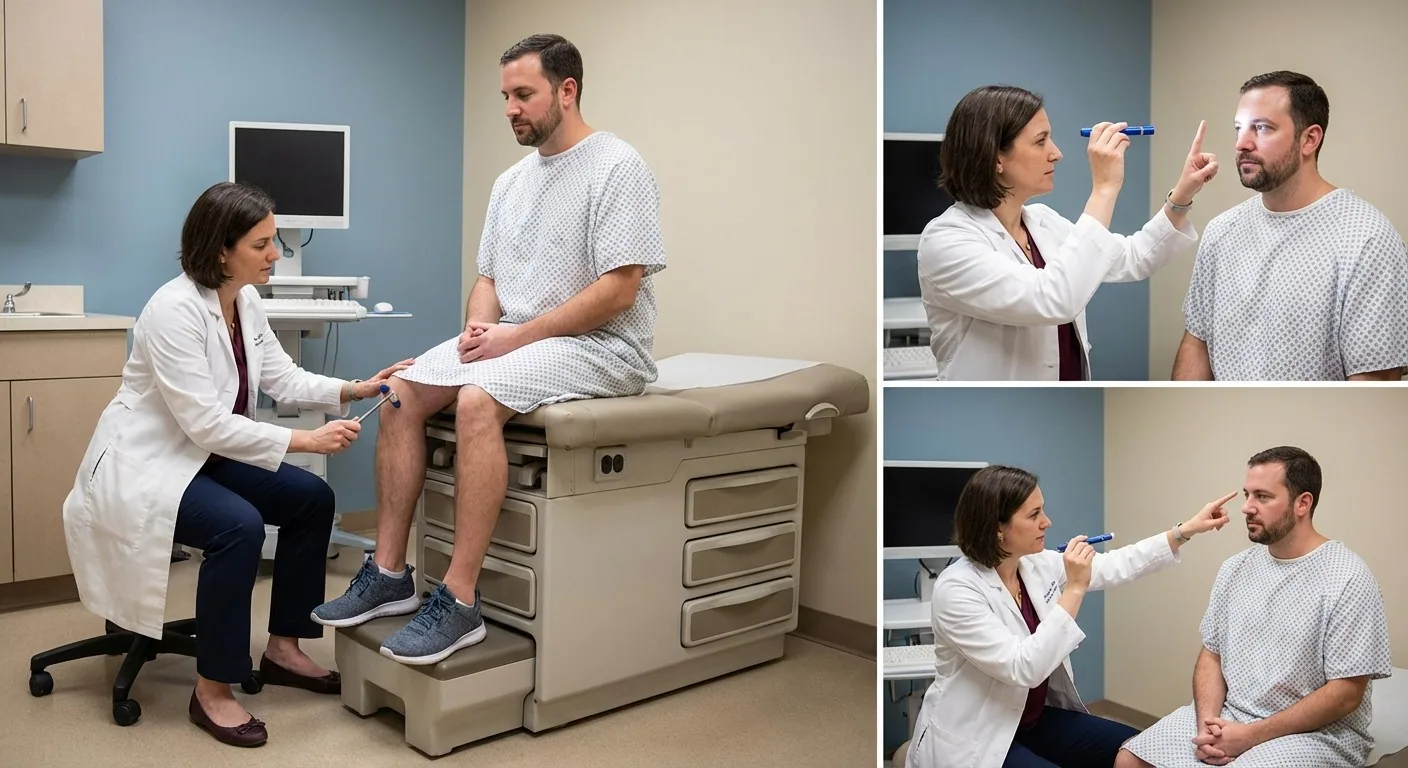
Symptoms specific to the brain region where the tumour is located are called focal symptoms. These can include loss of strength in an arm or leg, speech impairment, loss of balance, memory problems, and personality and behavioural changes.
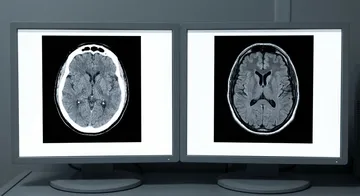
Epileptic seizures are particularly important. The first occurrence of a seizure in an adult who has not previously had one must be investigated with brain imaging.3,4 In adults, seizures are the most common first symptom of brain tumours such as diffuse glioma.5,6
Symptoms specific to the brain region where the tumour is located are called focal symptoms.
Why Is Early Diagnosis Important?
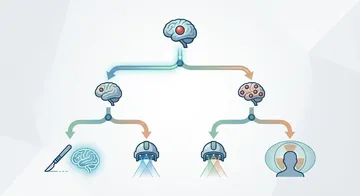
Early diagnosis in brain tumours expands treatment options and increases the success rate.7,8 Although complete resection can be achieved at a higher rate in small tumours, the preservation of nerve functions depends not only on tumour size but also on factors such as location, preoperative oedema, and deep location.9,10
When Should You See a Doctor?
If you experience any of the following symptoms, it is recommended that you consult a neurology or neurosurgery specialist:
Progressively worsening and persistent headache, especially worsening in the mornings. A seizure or fainting spell that has never been experienced before. Numbness or loss of strength in an arm, leg, or one side of the face. Difficulty speaking or difficulty finding words. Progressive vision loss or double vision. Unexplained personality or behavioural changes. Balance and coordination impairment.
→ Next page: S07 — Diagnosis in Brain Tumours
Kaynaklar
- Cho S et al. Neurol Clin. 2024. PMID 38575261
- Palmieri A et al. Cephalalgia. 2021. PMID 33249916
- Gavvala JR et al. JAMA. 2016. PMID 28027373
- Bargalló N et al. Eur Radiol. 2025. PMID 39699677
- Fan X et al. Seizure. 2018. PMID 29727741
- Audrey C et al. Epilepsy Res. 2022. PMID 36274423
- Senan EM et al. Comput Math Methods Med. 2022. PMID 35633922
- Aggarwal M et al. BMC Med Inform Decis Mak. 2023. PMID 37101176
- Moretti ME et al. World Neurosurg. 2025. PMID 41022312
- Mehta NH et al. Neurosurgery. 2024. PMID 39485023

Doç. Dr. Özgür Akşan
Beyin ve Sinir Cerrahisi Uzmanı
Beyin ve Sinir · Sorumlu Yazı İşleri Müdürü ve Editör · Künye