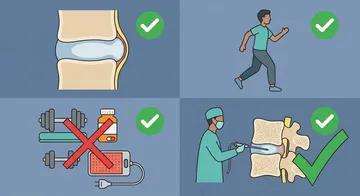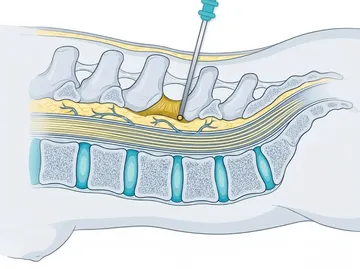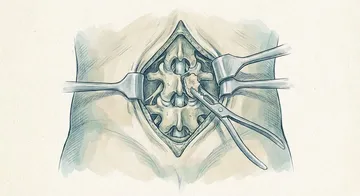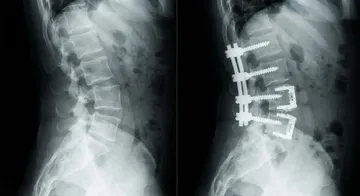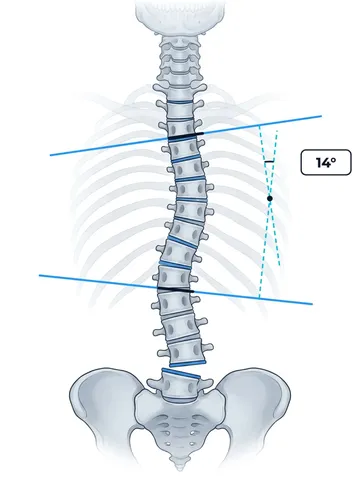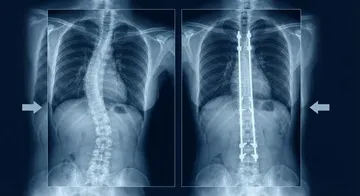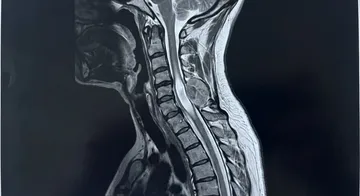
The decision for spine surgery is not always just a question of "to have surgery or not?" The right question is "when?" It is very important to distinguish between situations requiring early intervention and those where conservative treatment is the priority.
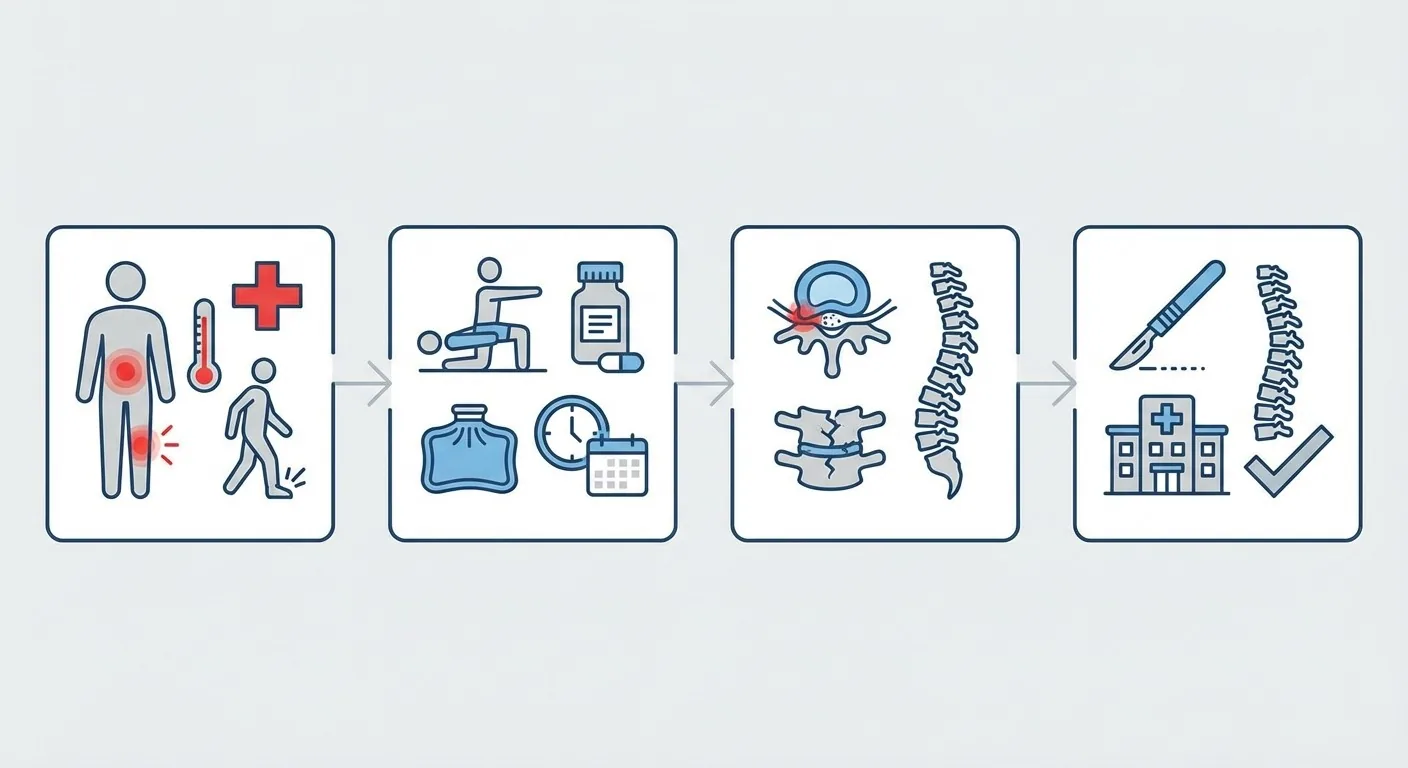
Situations Requiring Emergency Surgery
Cauda Equina Syndrome: Loss of bowel or bladder control, numbness in the saddle area. Surgical intervention within 24-48 hours is essential; delay leads to permanent damage.1,2
Progressive Motor Deficit: If symptoms such as foot drop or difficulty walking are worsening rapidly, urgent evaluation is required.
Spinal Cord Compression: A tumour, abscess, or fracture compressing the spinal cord — emergency decompression is of vital importance.
Indications for Elective Surgery
Ongoing pain and loss of function despite conservative treatment (physical therapy, medication, injections) lasting longer than 6-8 weeks, pathology on imaging consistent with clinical findings, and significant restriction of daily living activities.1,3
Progressive Motor Deficit: If symptoms such as foot drop or difficulty walking are worsening rapidly, urgent evaluation is required.
Situations Where Surgery Should Be Avoided
The Golden Rule
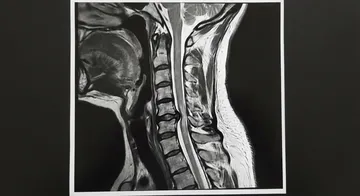
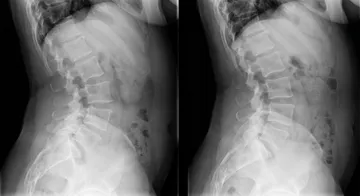
"There is a herniated disc on the MRI" is not an indication for surgery. "The patient's complaints are consistent with the MRI findings and have not responded to conservative treatment" is an indication for surgery.
→ Next page: S38 — Pre- and Post-Surgery Guide

Kaynaklar
- Kögl N et al. Dtsch Arztebl Int. 2024. PMID 38835174
- DeLong WB et al. J Neurosurg Spine. 2008. PMID 18377315
- Delgado-López PD et al. Neurocirugia (Astur). 2017. PMID 28130015

Doç. Dr. Özgür Akşan
Beyin ve Sinir Cerrahisi Uzmanı
Beyin ve Sinir · Sorumlu Yazı İşleri Müdürü ve Editör · Künye