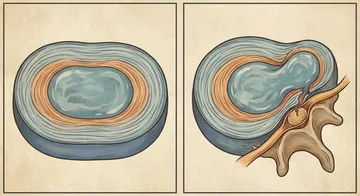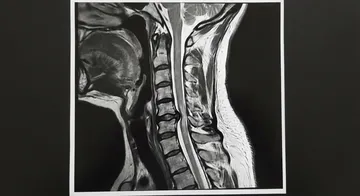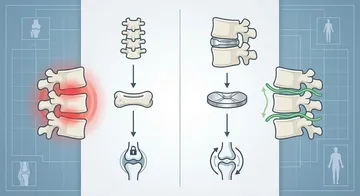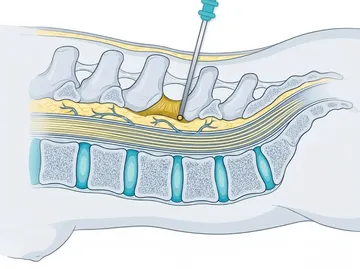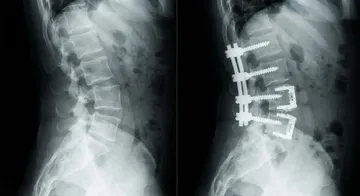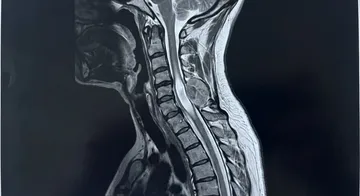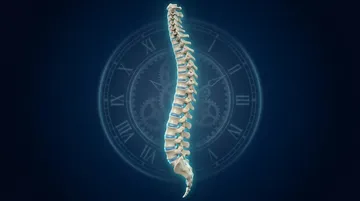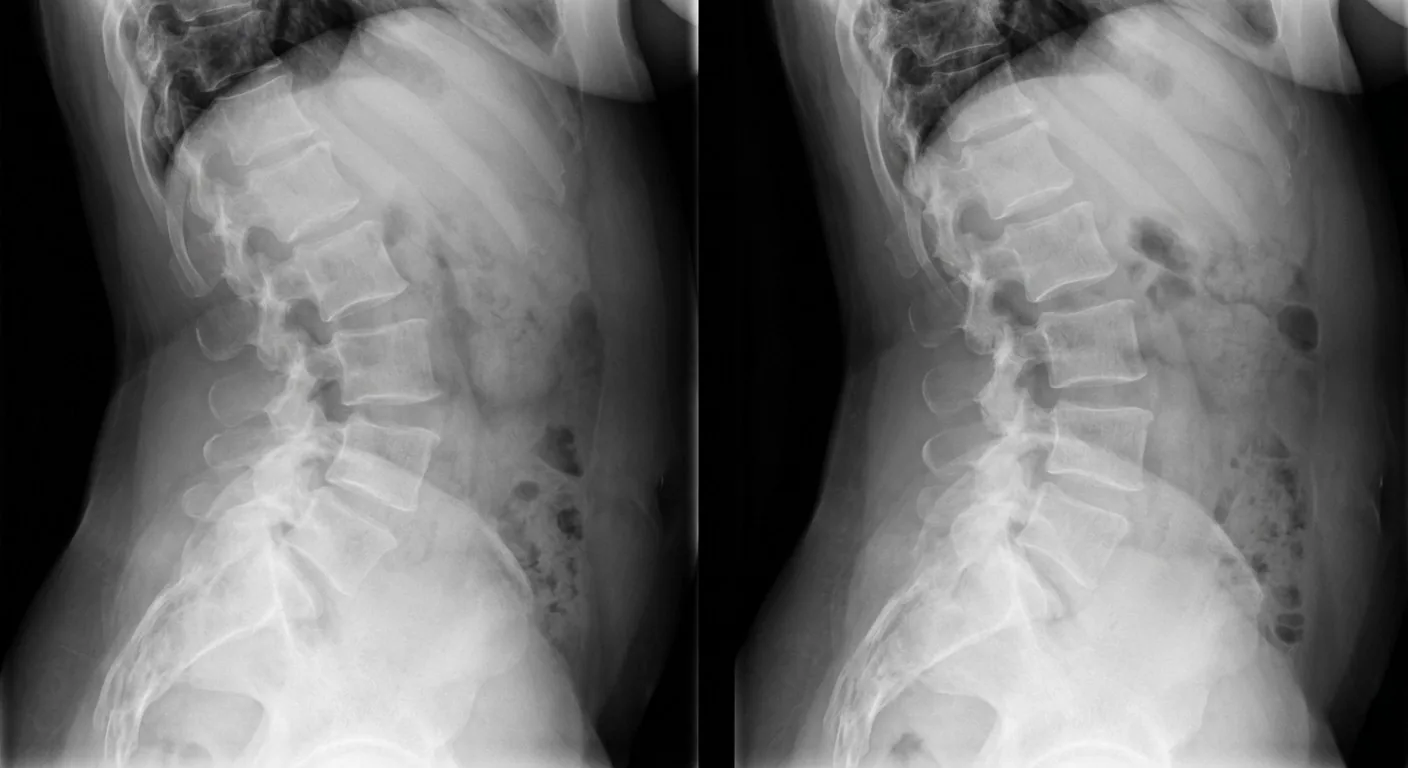
Spondylolisthesis is the forward slipping of one vertebral body over the vertebra below it. Surgical treatment is most commonly performed at the L4-L5 and L5-S1 levels.1,2
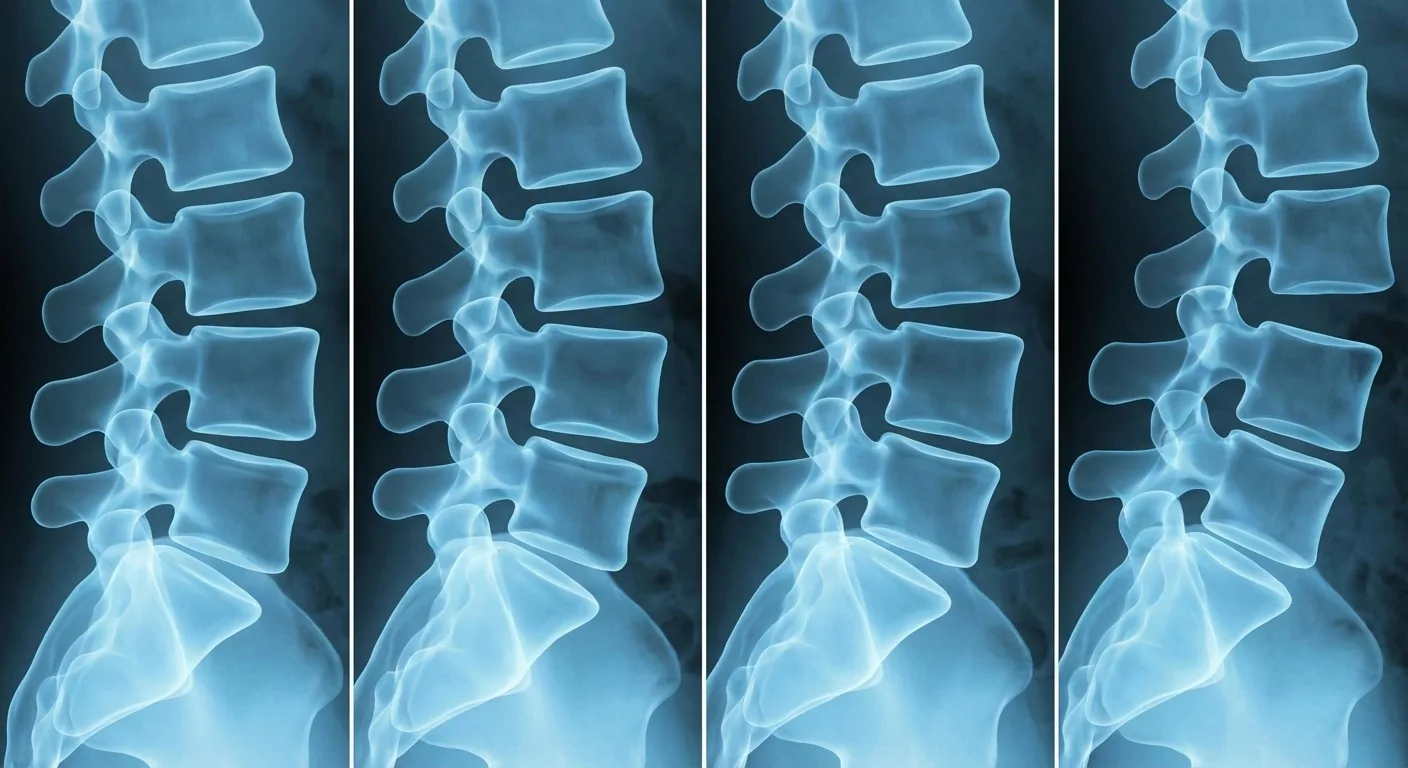
Grading
Degree of slip according to the Meyerding classification: Grade I (0-25 percent slip), Grade II (25-50 percent), Grade III (50-75 percent), Grade IV (75-100 percent) and Grade V (spondyloptosis — complete slip).
Symptoms
Low back pain (especially mechanical pain that increases with activity), leg pain (nerve compression), stiffness in the lower back, and a shortened walking distance are typical symptoms. Dynamic X-rays (flexion-extension radiographs) show the degree of instability.
Degree of slip according to the Meyerding classification: Grade I (0-25 percent slip), Grade II (25-50 percent), Grade III (50-75 percent), Grade IV (75-100 percent) and Grade V (spondyloptosis — complete slip).
Treatment
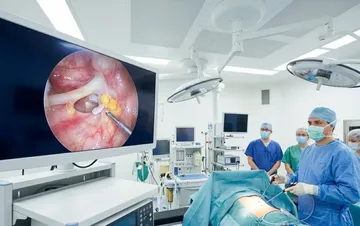
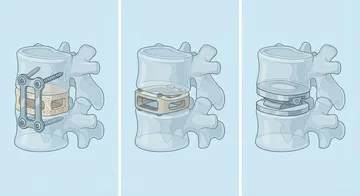
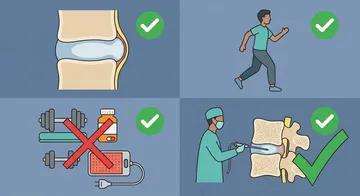
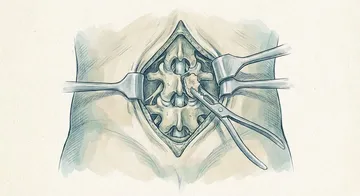
Conservative treatment is generally effective for Grade I-II slips: physical therapy, core strengthening, and activity modification.3,4 Surgery is indicated in cases of severe pain that does not respond to conservative treatment, progressive neurological deficit, or severe instability.5
→ Next page: S30 — Spondylolisthesis Surgery
Kaynaklar
- Lavu MS et al. Global Spine J. 2025. PMID 39965577
- Kafle KR et al. Kathmandu Univ Med J (KUMJ). 2025. PMID 40464239
- O'Sullivan PB et al. Spine (Phila Pa 1976). 1997. PMID 9431633
- Nava-Bringas TI et al. Phys Ther. 2021. PMID 33792726
- Nedelea DG et al. J Med Life. 2025. PMID 40291940
Doç. Dr. Özgür Akşan
Beyin ve Sinir Cerrahisi Uzmanı
Beyin ve Sinir · Sorumlu Yazı İşleri Müdürü ve Editör · Künye