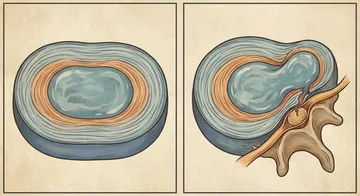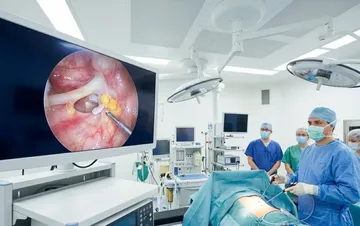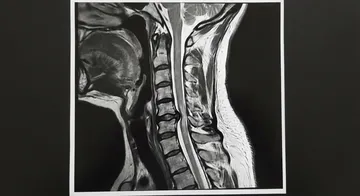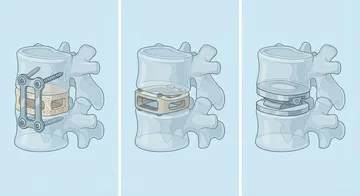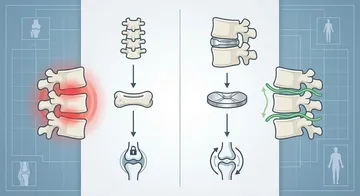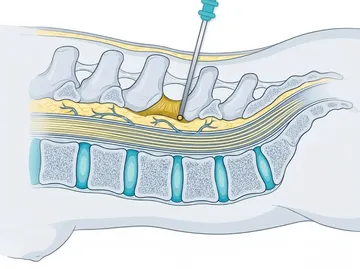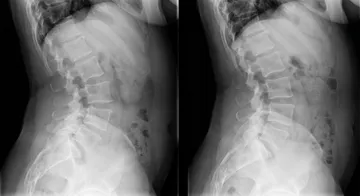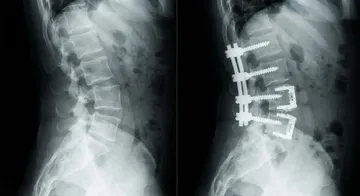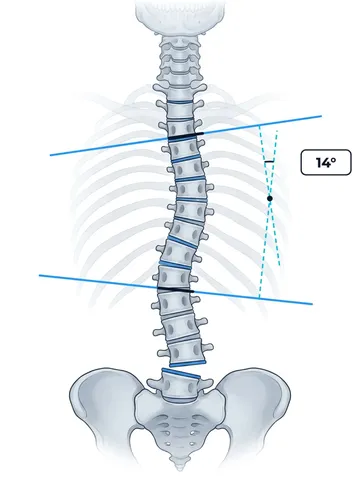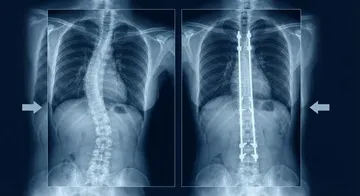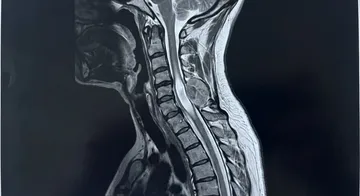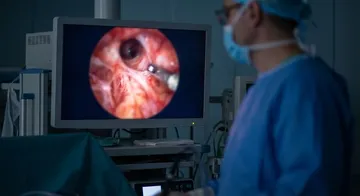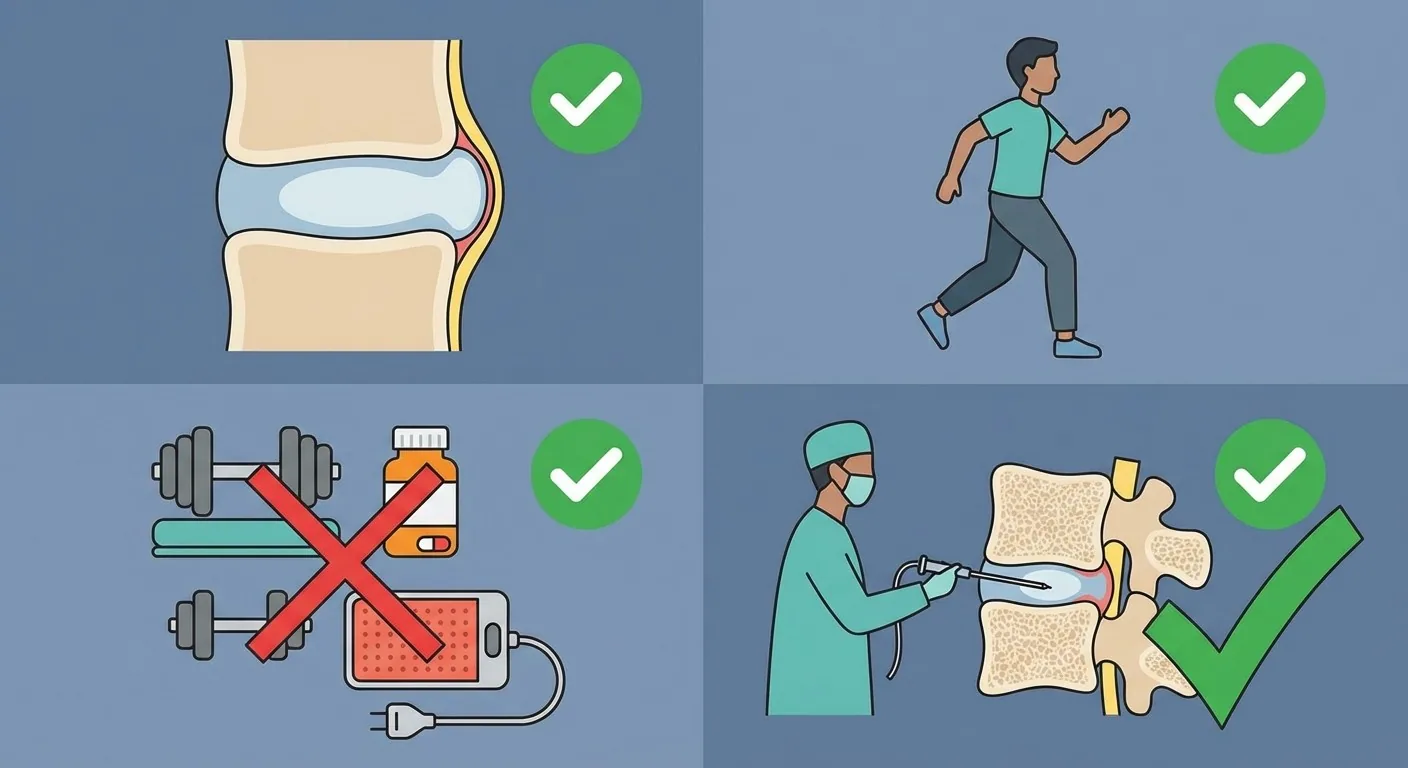
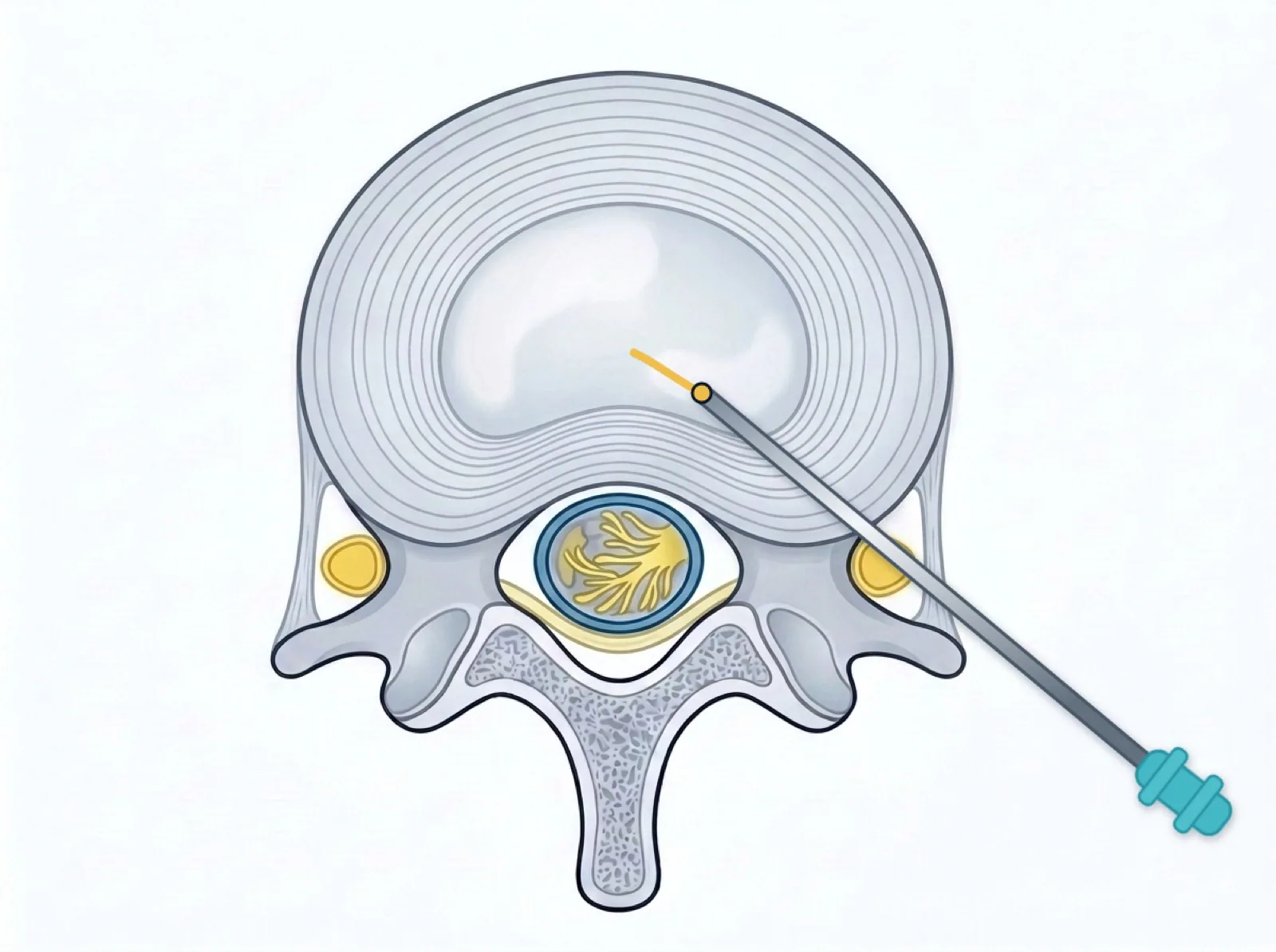
Nucleoplasty is one of the non-surgical minimally invasive treatment methods for lumbar herniated discs. Under local anaesthesia, guided by fluoroscopy (live X-ray), a fine needle is inserted into the disc, and the intradiscal pressure is reduced using radiofrequency or coblation energy.
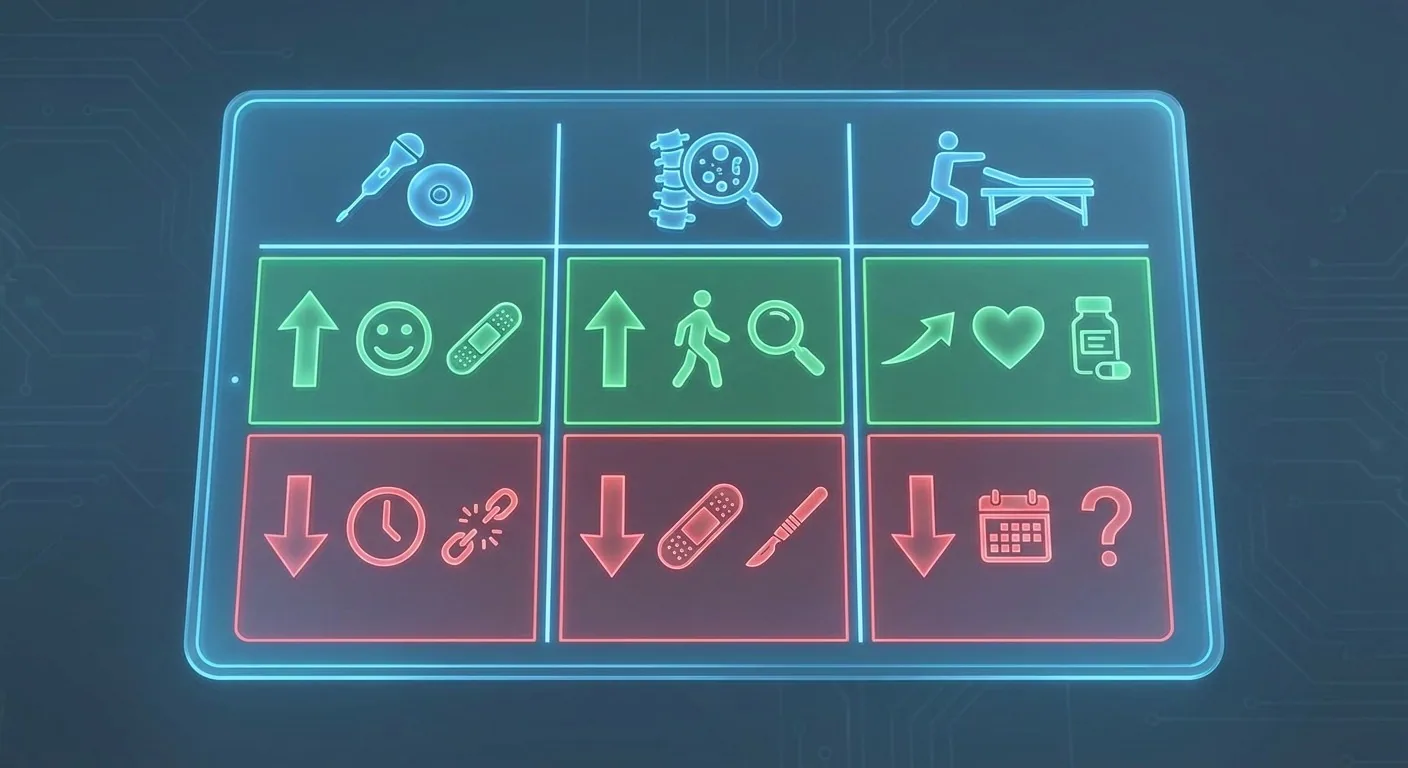
How Does It Work?
During the procedure, a portion of the nucleus pulposus inside the disc is vaporised (ablation) to reduce the intradiscal pressure. The decrease in pressure allows the herniated fragment to retract, relieving the pressure on the nerve root.
Who Is It Suitable For?
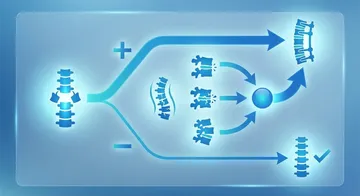
Nucleoplasty is not suitable for every lumbar herniated disc. The best results are obtained in contained (annulus integrity preserved) disc herniations, in cases where disc height is preserved, and in patients who do not respond to conservative treatment but do not have a definitive surgical indication.1,2 It is not suitable for extruded or sequestered herniations, severe spinal canal stenosis, and in the presence of a neurological deficit.3
Its advantages include being able to be performed under local anaesthesia, being applicable on an outpatient basis, a quick return to normal life, and a low complication rate.
Advantages and Limitations
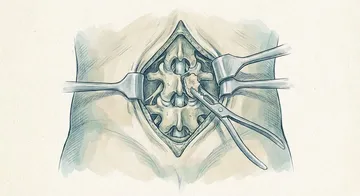
Its advantages include being able to be performed under local anaesthesia, being applicable on an outpatient basis, a quick return to normal life, and a low complication rate.3 Nucleoplasty is a less invasive percutaneous method compared to microdiscectomy.4
→ Next page: S26 — Epidural Steroid Injection
Kaynaklar
- Mirzai H et al. Spine J. 2007. PMID 17197339
- Gelalis I et al. Asian J Neurosurg. 2019. PMID 31497082
- Keren A et al. Harefuah. 2014. PMID 25189032
- Marín FZ. Acta Neurochir Suppl. 2005. PMID 15830980

Doç. Dr. Özgür Akşan
Beyin ve Sinir Cerrahisi Uzmanı
Beyin ve Sinir · Sorumlu Yazı İşleri Müdürü ve Editör · Künye