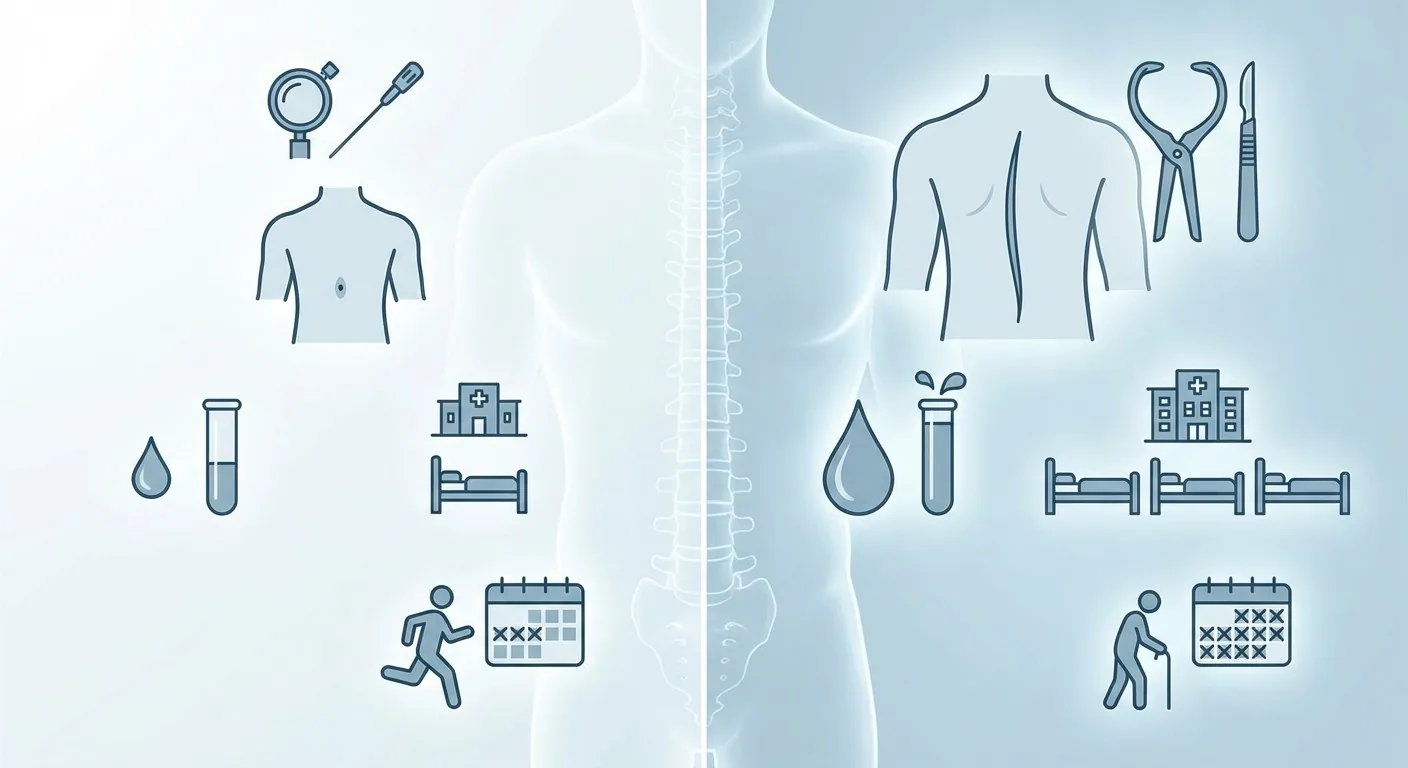
| Parameter | MISS | Open Surgery |
|---|---|---|
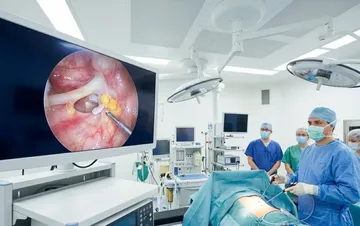
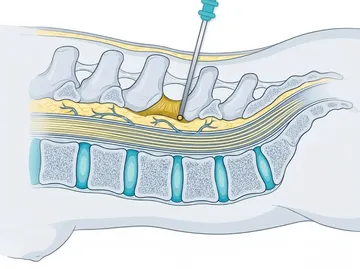
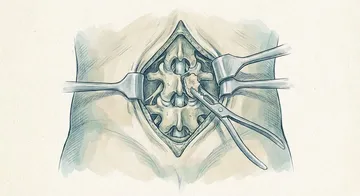
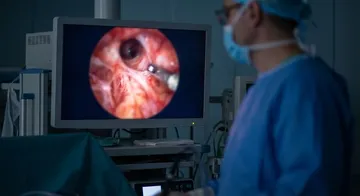
| Incision size | 1-3 cm | 8-15 cm |
| Muscle damage | Minimal | Significant |
| Blood loss1 | Less | More |
| Hospital stay1,2 | Shorter | Longer |
| Return to work2 | Shorter | Longer |
| Infection risk2,3 | Lower | Higher |
| Cost | Higher (technology) | Lower |
| Learning curve | Long | Standard |
Ideal Patients for MISS
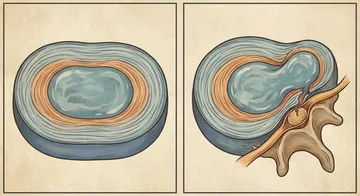
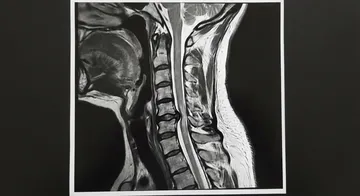
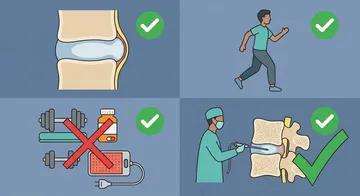
MISS has indications for conditions such as disc herniation, spinal stenosis, Grade I-II spondylolisthesis, and trauma.4,5
Hybrid Approaches
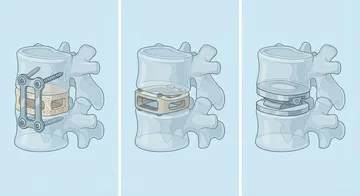
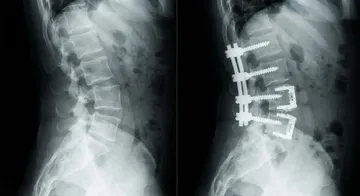
In modern practice, hybrid approaches are frequently used: such as combinations of lateral interbody fusion (MISS) + posterior percutaneous screw (MISS) or anterior fusion (open) + posterior percutaneous screw (MISS). The goal is to use the best aspect of each technique.
→ Next page: S37 — Right Timing in Spine Surgery

Kaynaklar
- Yolcu YU et al. World Neurosurg. 2021. PMID 33276177
- McClelland S 3rd et al. J Neurosci Rural Pract. 2017. PMID 28479791
- Camacho JE et al. J Spine Surg. 2019. PMID 31380497
- Kumar A et al. J Craniovertebr Junction Spine. 2022. PMID 36263335
- Park J et al. Asian Spine J. 2020. PMID 33108835
Doç. Dr. Özgür Akşan
Beyin ve Sinir Cerrahisi Uzmanı
Beyin ve Sinir · Sorumlu Yazı İşleri Müdürü ve Editör · Künye