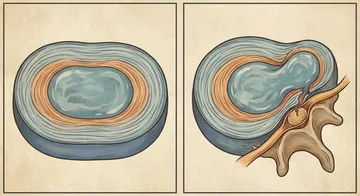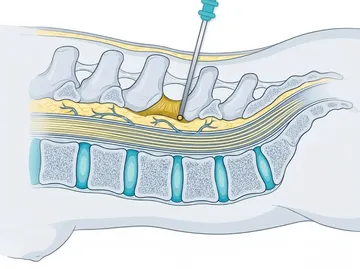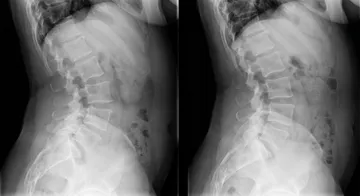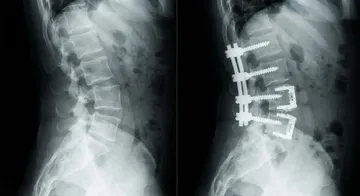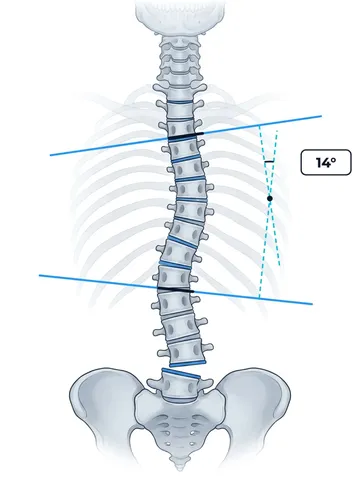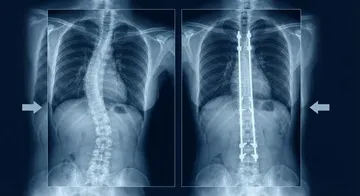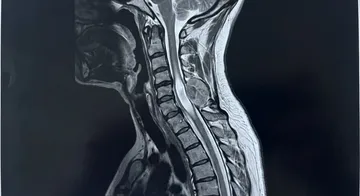
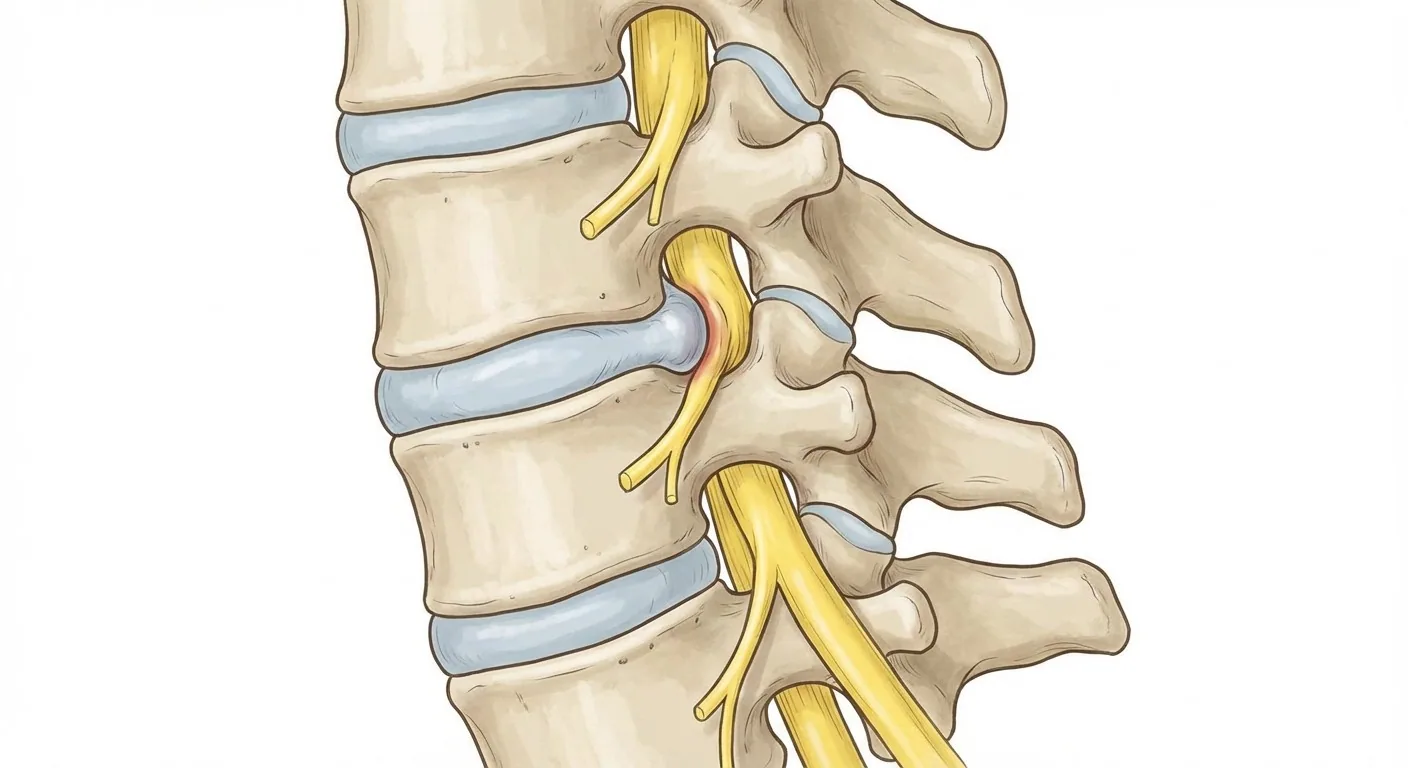
A neck hernia (cervical disc herniation) occurs when the discs between the cervical vertebrae herniate and compress the spinal cord or nerve roots. It is most commonly seen at the C5-C6 and C6-C7 levels.1,2 A neck hernia is a clinical condition that requires careful evaluation due to the risk of nerve root or spinal cord compression.
Symptoms
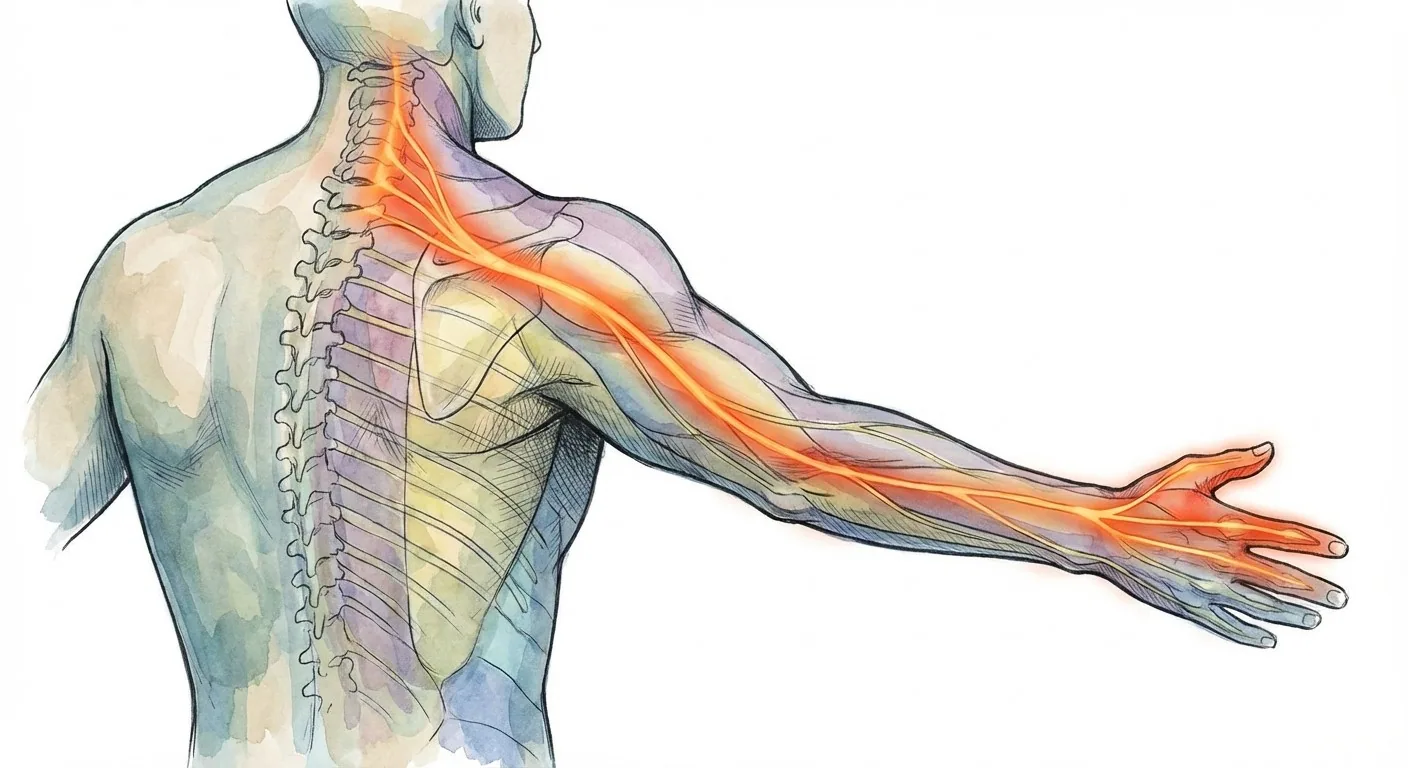
Patients with symptomatic cervical disc herniation generally present initially with severe pain and moderate disability. In the case of radiculopathy (nerve root compression), the pain radiates from the shoulder to the arm, forearm, and fingers. Numbness and tingling in the thumb and index finger are typical in C6 root compression, and in the middle finger in C7 root compression.
Myelopathy (spinal cord compression) is a more serious condition. Loss of dexterity in the hands, inability to button clothes, deterioration of handwriting, walking imbalance, and stiffness in the legs are warning signs of myelopathy. If there are signs of myelopathy, surgical treatment should generally be planned without delay.3,4
Diagnosis
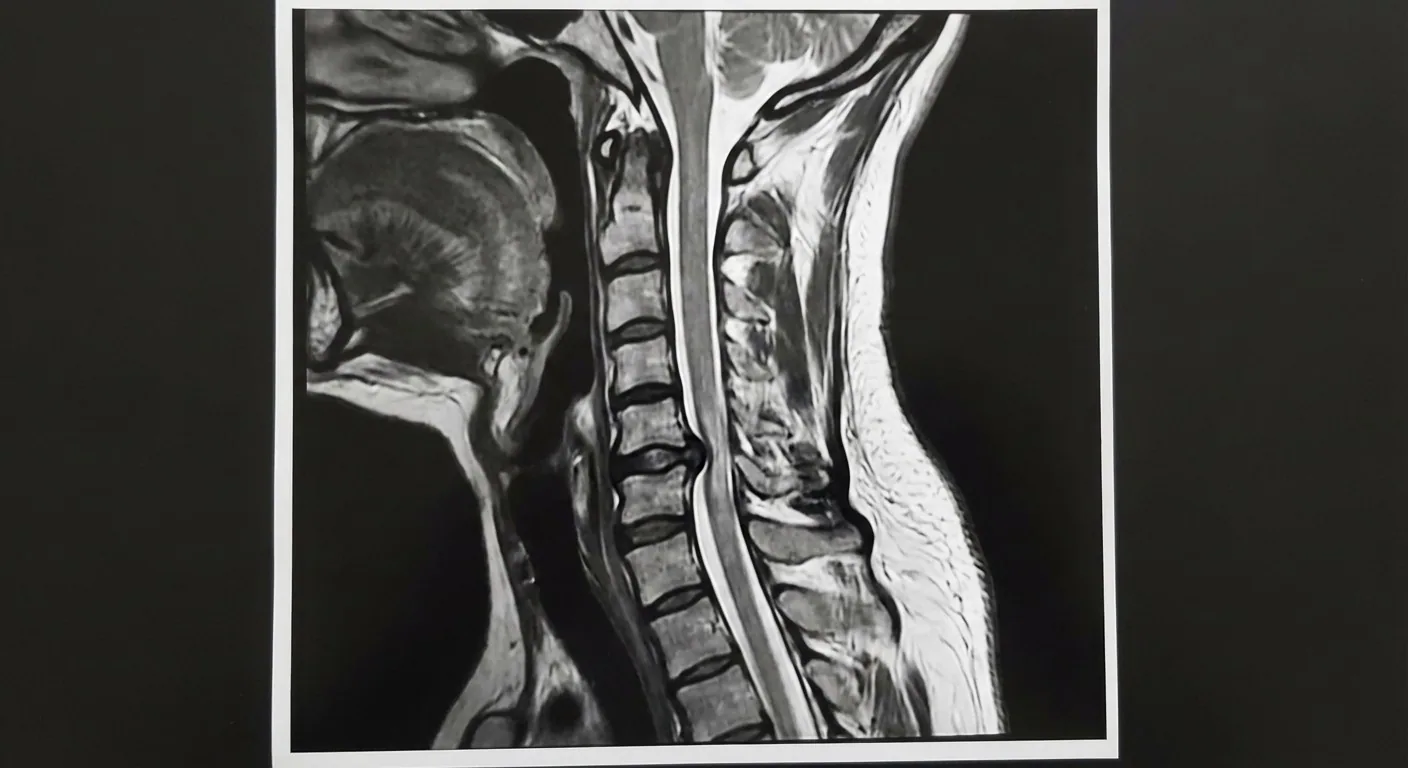
A neck MRI shows the level of the herniation, the degree of nerve root or spinal cord compression, and spinal cord signal changes (a sign of myelopathy). EMG provides an objective evaluation of nerve root damage. Dynamic cervical X-rays are helpful in evaluating instability (slippage).
Numbness and tingling in the thumb and index finger are typical in C6 root compression, and in the middle finger in C7 root compression.
Treatment
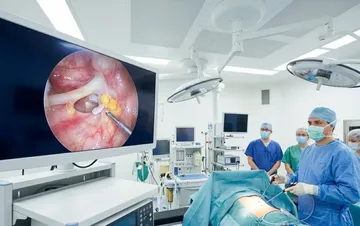
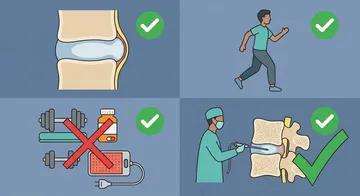
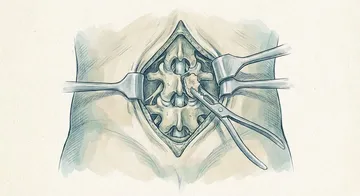
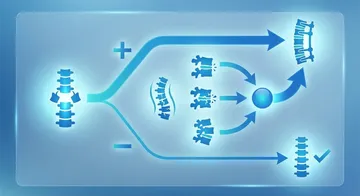
Conservative treatment is also the first step in a neck hernia.5,6 The first treatment option for cervical disc herniation is generally conservative methods such as rest, painkillers, and physical therapy, and a good prognosis is expected in most patients.5,7 Surgery is indicated for radiculopathy that does not respond to conservative treatment, progressive myelopathy, or severe loss of strength.8,9
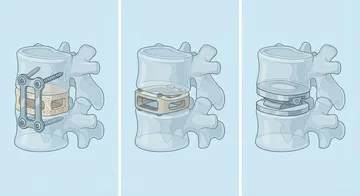
→ Next page: S23 — Plate-Screw and Stabilisation in Neck Hernia
Kaynaklar
- Sefo H et al. Med Arch. 2021. PMID 34219871
- De Jesus O. World Neurosurg. 2024. PMID 37914080
- Badhiwala JH et al. Nat Rev Neurol. 2020. PMID 31974455
- Fehlings MG et al. Global Spine J. 2017. PMID 29164035
- Gangi A et al. Semin Musculoskelet Radiol. 2011. PMID 21500138
- Haghnegahdar A et al. Neurosci J. 2016. PMID 27635392
- Taso M et al. BMC Musculoskelet Disord. 2020. PMID 32178655
- Yoon WW et al. EFORT Open Rev. 2021. PMID 34267943
- Tu TH et al. J Neurosurg Spine. 2019. PMID 31075765

Doç. Dr. Özgür Akşan
Beyin ve Sinir Cerrahisi Uzmanı
Beyin ve Sinir · Sorumlu Yazı İşleri Müdürü ve Editör · Künye