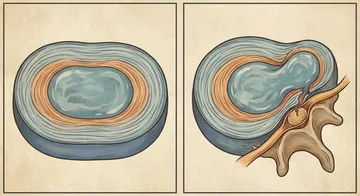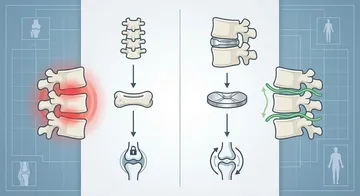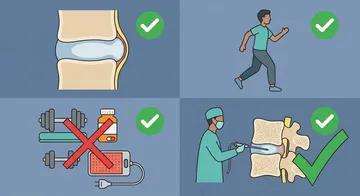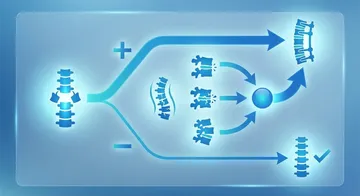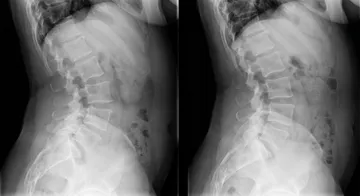
80-90 percent of patients diagnosed with a lumbar disc herniation recover without surgery.1 Conservative treatment, when applied correctly, controls pain in most patients and provides functional recovery.
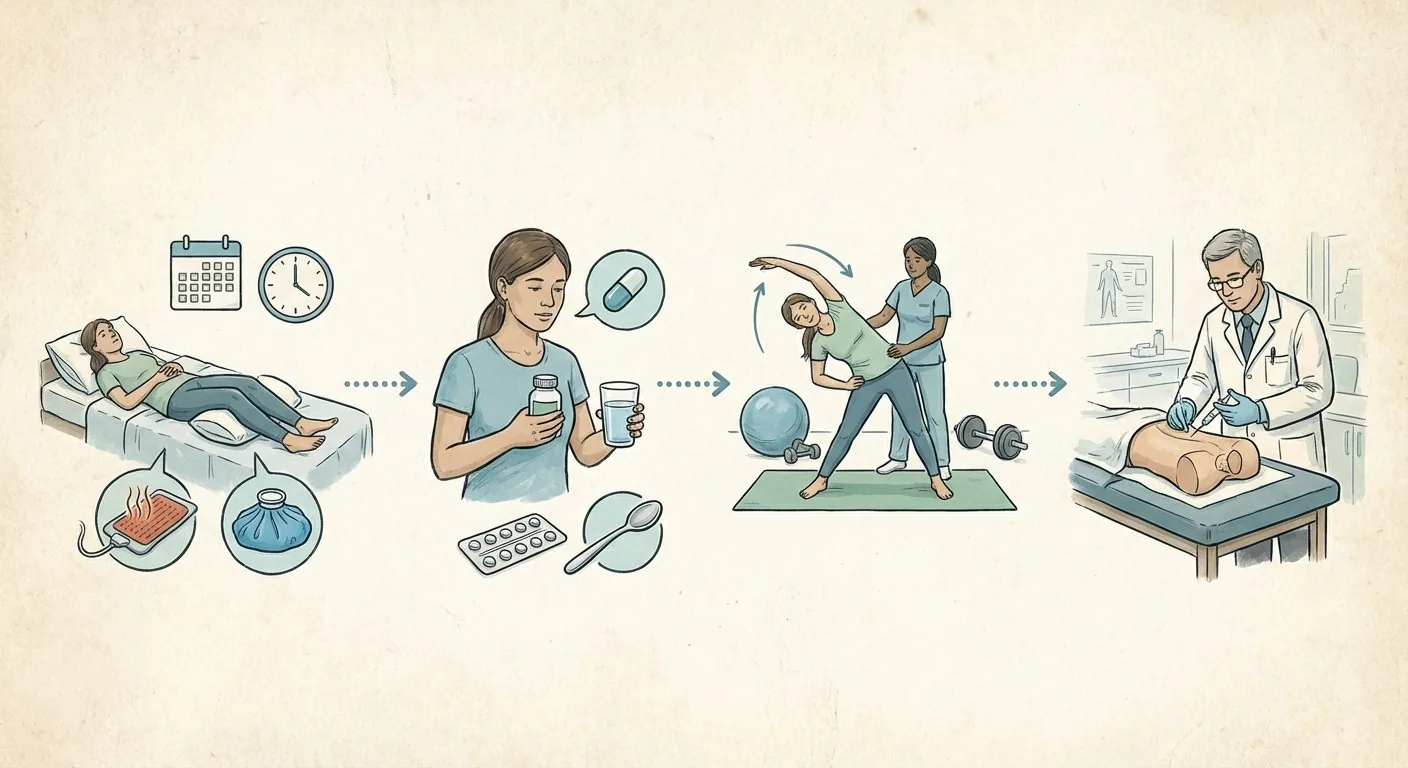
Treatment Steps
In the initial treatment of lumbar disc herniation, the recommendation of bed rest has not been shown to be superior to the recommendation of staying active in terms of pain and function.2 Painkillers (paracetamol, NSAIDs), muscle relaxants, and activity modification are applied. Absolute bed rest is not recommended; movement is encouraged to the extent tolerated.
In the second step, a physical therapy and rehabilitation programme is initiated. McKenzie exercises, core stabilisation, flexibility training, and postural education are the main components of this programme.3,4 It is important that the programme is individualised under the guidance of a physiotherapist.
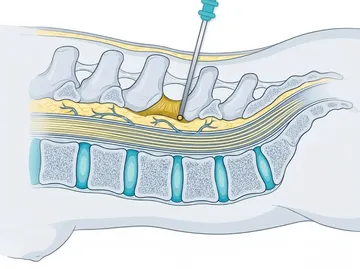
In the third step, neuropathic pain medications (gabapentin, pregabalin) can be added to the medical treatment. Epidural steroid injection can be considered for pain management in patients with radicular pain or sciatica due to lumbar disc herniation.5,6
Physical Therapy and Exercise
Physical therapy is one of the most important components of lumbar disc herniation treatment. Pain control is targeted in the acute phase, mobilisation in the subacute phase, and strengthening in the chronic phase.
Strengthening the core muscles (abdominal, back, and pelvic floor muscles) reduces the load on the spine, alleviating the compressive effect of the herniation. Regular walking, swimming, and cycling are the most suitable aerobic activities for lower back health.
Epidural steroid injection can be considered for pain management in patients with radicular pain or sciatica due to lumbar disc herniation.
Lifestyle Recommendations
Ergonomic adjustments make a big difference in daily life. Correct sitting posture, choosing an appropriate bed and pillow, correcting heavy lifting techniques, and maintaining an ideal weight are the cornerstones of lower back health.
Smoking accelerates disc degeneration; quitting is recommended.7,8 Stress management and sleep patterns are also important factors affecting pain perception.
When to Consider Surgery?
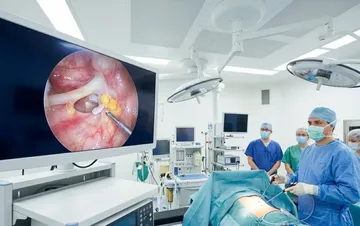
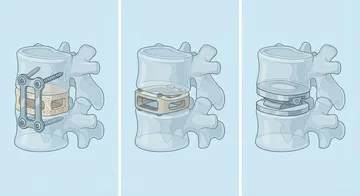
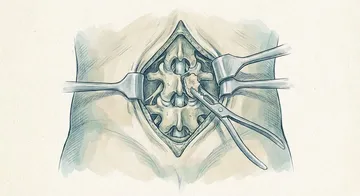
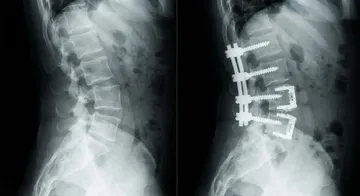
Surgery is considered for leg pain that does not respond to 6-8 weeks of conservative treatment, progressive muscle weakness, and cauda equina syndrome. Deterioration in bowel and bladder control and numbness in the saddle area require urgent surgical evaluation.1,9
→ Next page: S22 — Cervical Disc Herniation
Kaynaklar
- Kögl N et al. Dtsch Arztebl Int. 2024. PMID 38835174
- Dahm KT et al. Cochrane Database Syst Rev. 2010. PMID 20556780
- Kilpikoski S et al. Clin Rehabil. 2024. PMID 37605454
- Bayraktar D et al. Disabil Rehabil. 2016. PMID 26328542
- Verheijen EJA et al. Eur Spine J. 2021. PMID 33974132
- De Volkaersbeke AK et al. Curr Pain Headache Rep. 2026. PMID 42474583
- Han Z et al. Heliyon. 2024. PMID 39286222
- Tu J et al. Mol Ther. 2023. PMID 37340635
- Yoon WW et al. EFORT Open Rev. 2021. PMID 34267943
Doç. Dr. Özgür Akşan
Beyin ve Sinir Cerrahisi Uzmanı
Beyin ve Sinir · Sorumlu Yazı İşleri Müdürü ve Editör · Künye