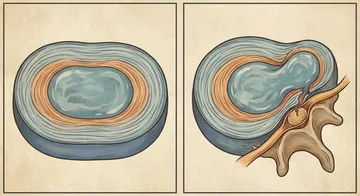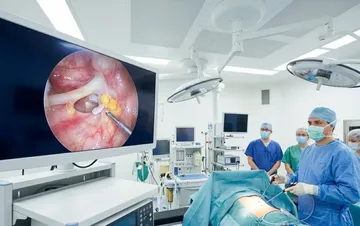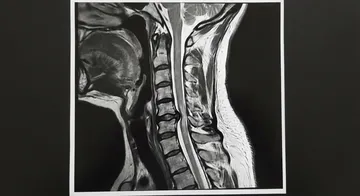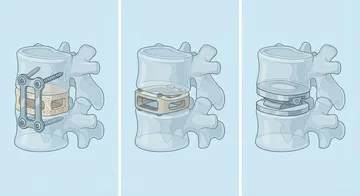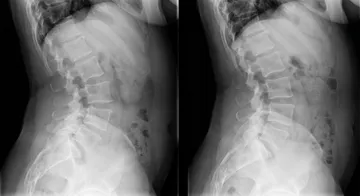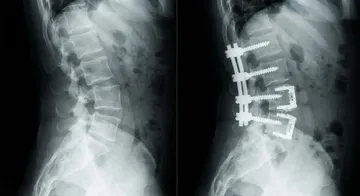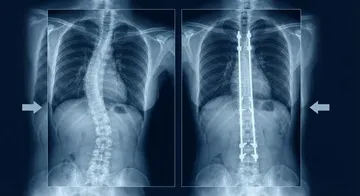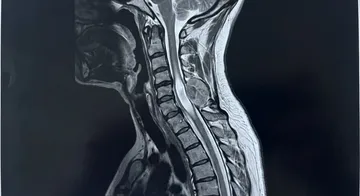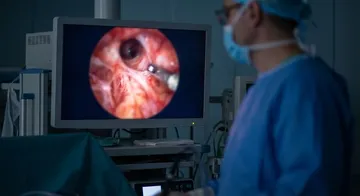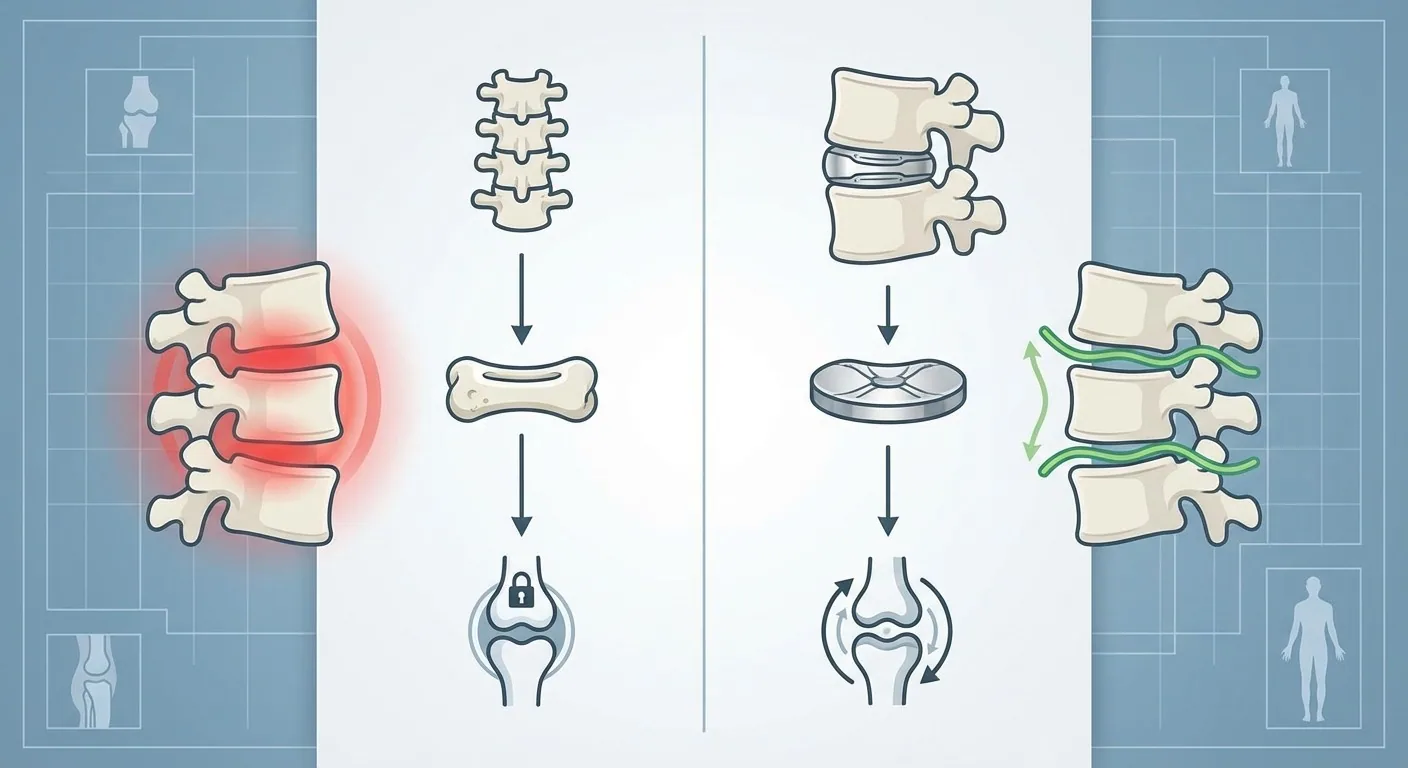
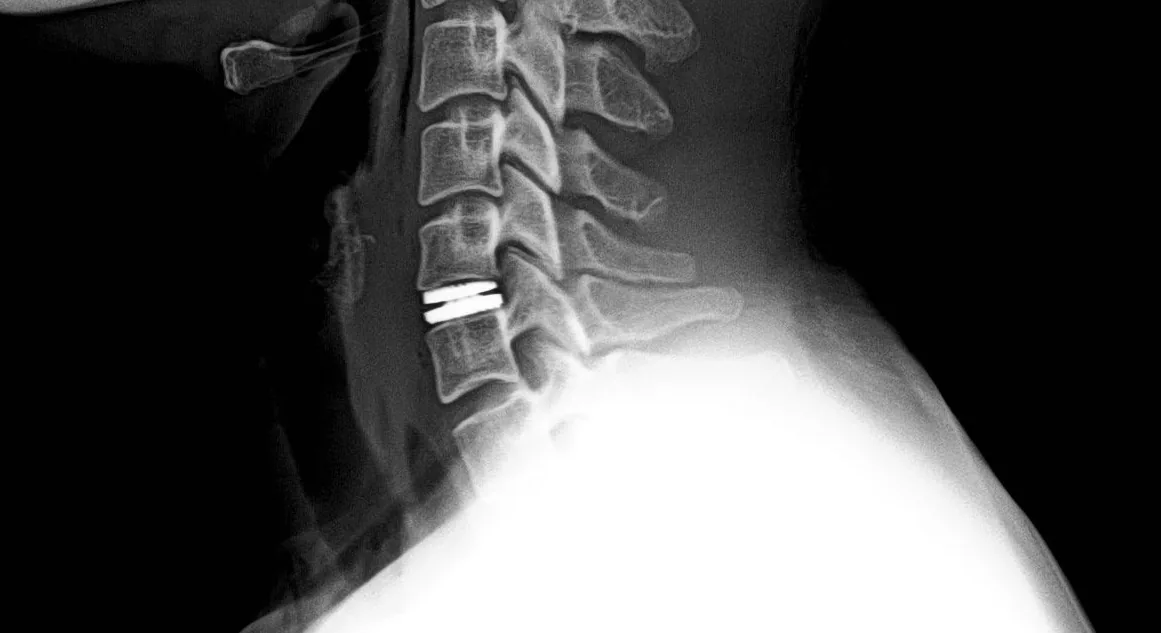
Artificial disc (ADR — Artificial Disc Replacement) is a technique developed as an alternative to fusion in cervical herniated disc surgery. After the herniated disc is removed, a mobile prosthesis is placed in its stead. Thus, motion at the operated level is preserved.
How Does It Work?
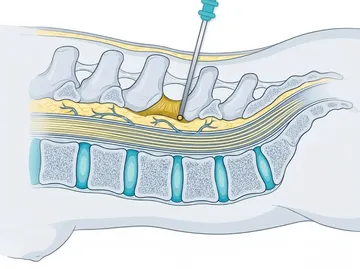
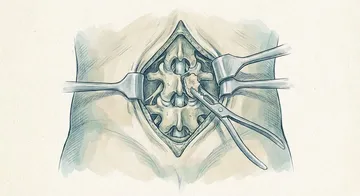
Artificial disc prostheses generally consist of metal-polyethylene or metal-metal surfaces. By mimicking natural disc movement, they allow for flexion, extension, and rotation. The surgical approach is the same as ACDF; it is performed from the front of the neck.
Comparison of ACDF and Artificial Disc
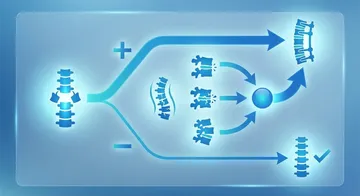
The theoretical advantage of the artificial disc is that it reduces adjacent segment degeneration. Preserving motion reduces the additional load placed on the upper and lower levels.
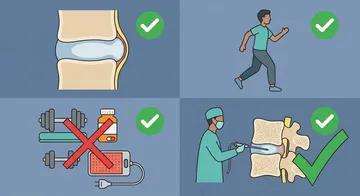
However, not every patient is suitable for an artificial disc. Advanced degeneration, instability, osteoporosis, and infection are contraindications for an artificial disc.1
The theoretical advantage of the artificial disc is that it reduces adjacent segment degeneration.
Current Status
Artificial disc technology has shown great progress over the last 15 years. New generation prostheses offer more natural motion mechanics. However, in multi-level cervical pathologies, ACDF is still considered the gold standard treatment.2 The patient's age, activity level, and the degree of disc degeneration are the main factors determining the choice of technique.
→ Next page: S25 — Nucleoplasty

Kaynaklar
- Epstein NE et al. Surg Neurol Int. 2022. PMID 36600752
- Elgoyoushi SM. J Craniovertebr Junction Spine. 2025. PMID 40756480

Doç. Dr. Özgür Akşan
Beyin ve Sinir Cerrahisi Uzmanı
Beyin ve Sinir · Sorumlu Yazı İşleri Müdürü ve Editör · Künye