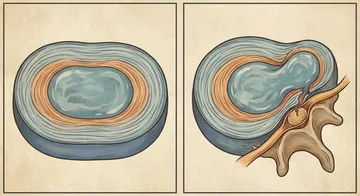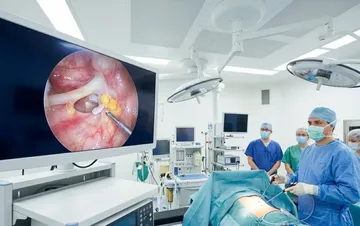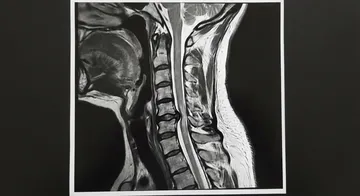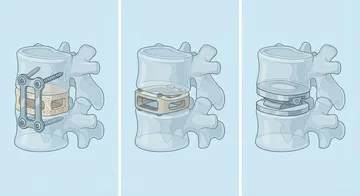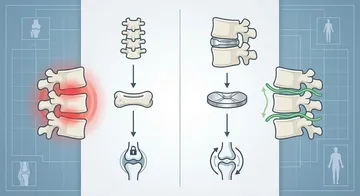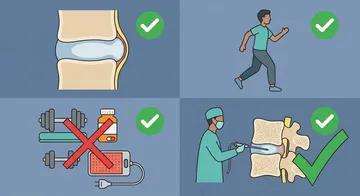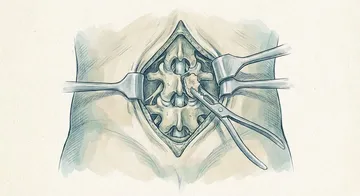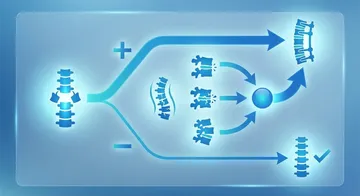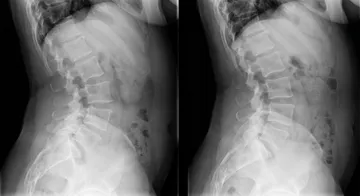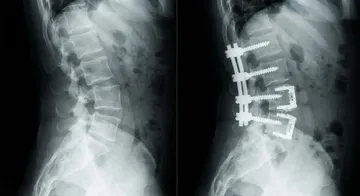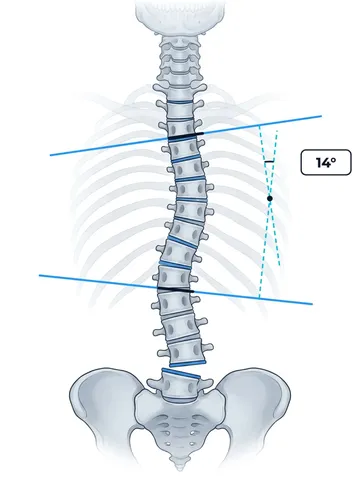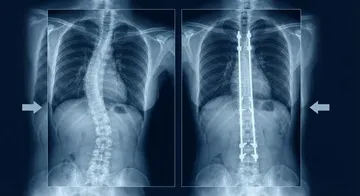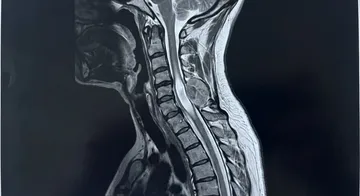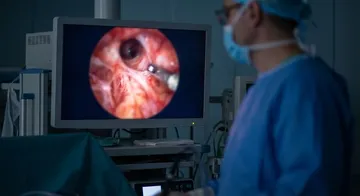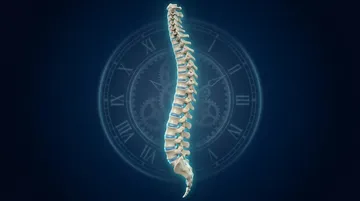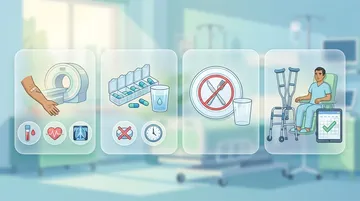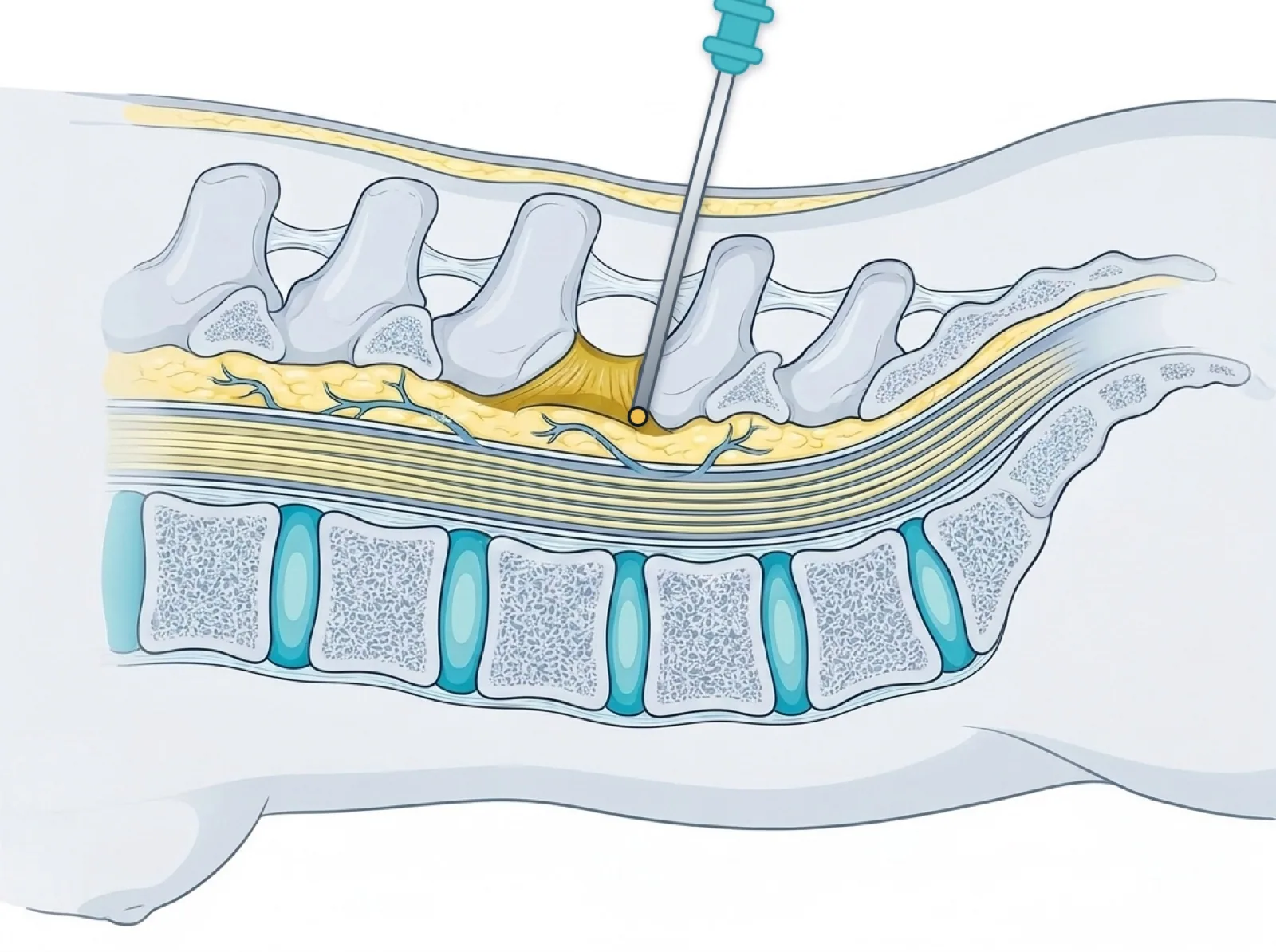
Epidural steroid injection (ESI) is a commonly used interventional treatment method in pain management for lumbar and cervical herniated discs. A mixture of steroid (cortisone) and local anaesthetic is injected into the epidural space around the nerve root to reduce inflammation and pain.
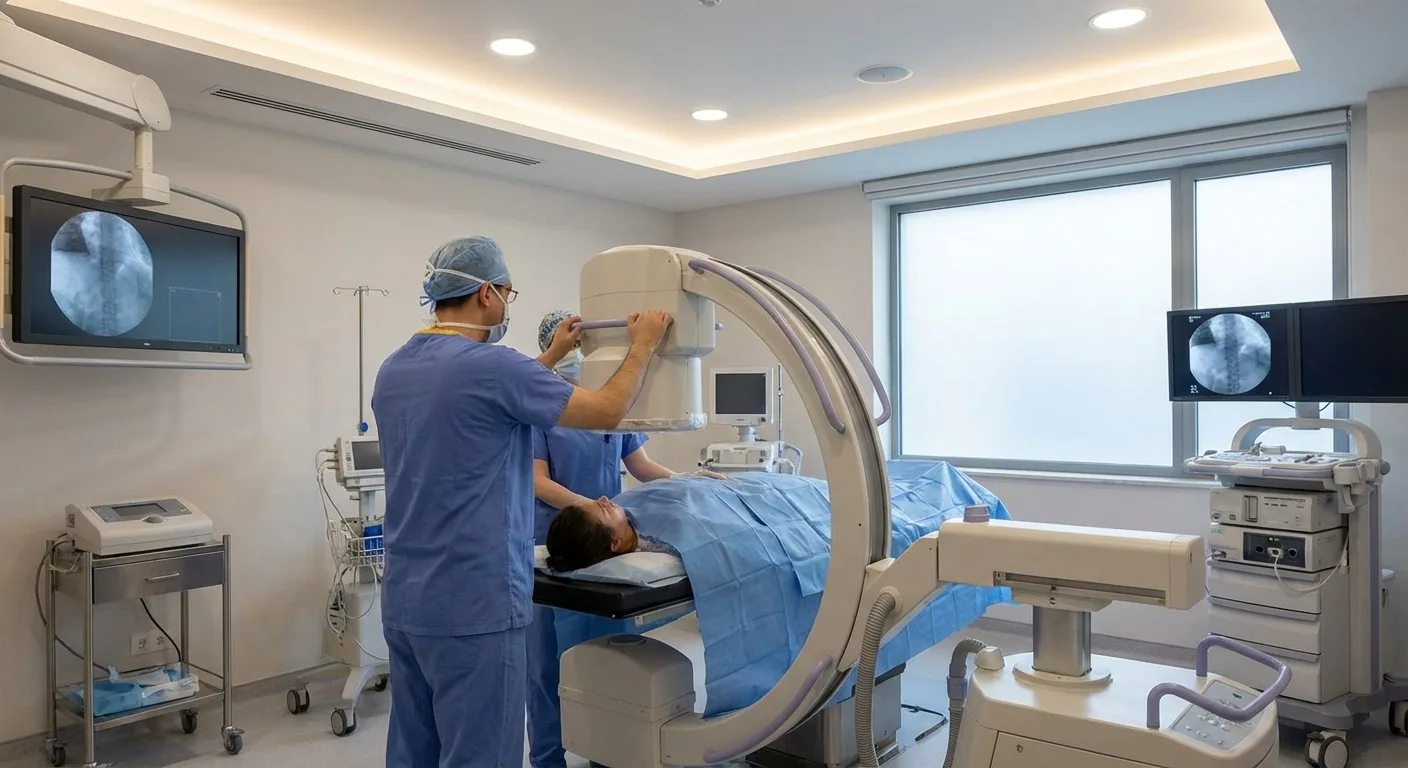
Application Techniques
It can be applied using three different techniques. In the transforaminal approach, the medication is administered directly to the target, making it an effective method with high selectivity.1,2 In the interlaminar approach, the medication is delivered into the epidural space between two laminae. In the caudal approach, the epidural space is accessed through the sacral canal (tailbone).
Indications
Radicular pain that does not respond to conservative treatment, spinal stenosis, failed back surgery syndrome, and axial back pain are the main indications.3
In the transforaminal approach, the medication is administered directly to the target, making it an effective method with high selectivity.
Expectations
ESI is not a permanent treatment; its duration of effect varies from a few weeks to a few months.4,5 Its purpose is to provide pain control, facilitating participation in physical therapy and exercise programmes.
→ Next page: S27 — Spinal Stenosis

Kaynaklar
- Wei G et al. Int Orthop. 2016. PMID 27198870
- Makkar JK et al. Pain Physician. 2015. PMID 25675054
- Helm Ii S et al. Pain Physician. 2021. PMID 33492919
- Ji GY et al. Pain Physician. 2016. PMID 26815248
- Khan MU et al. J Pak Med Assoc. 2008. PMID 18846797

Doç. Dr. Özgür Akşan
Beyin ve Sinir Cerrahisi Uzmanı
Beyin ve Sinir · Sorumlu Yazı İşleri Müdürü ve Editör · Künye